How your dryer knows the clothes are dry
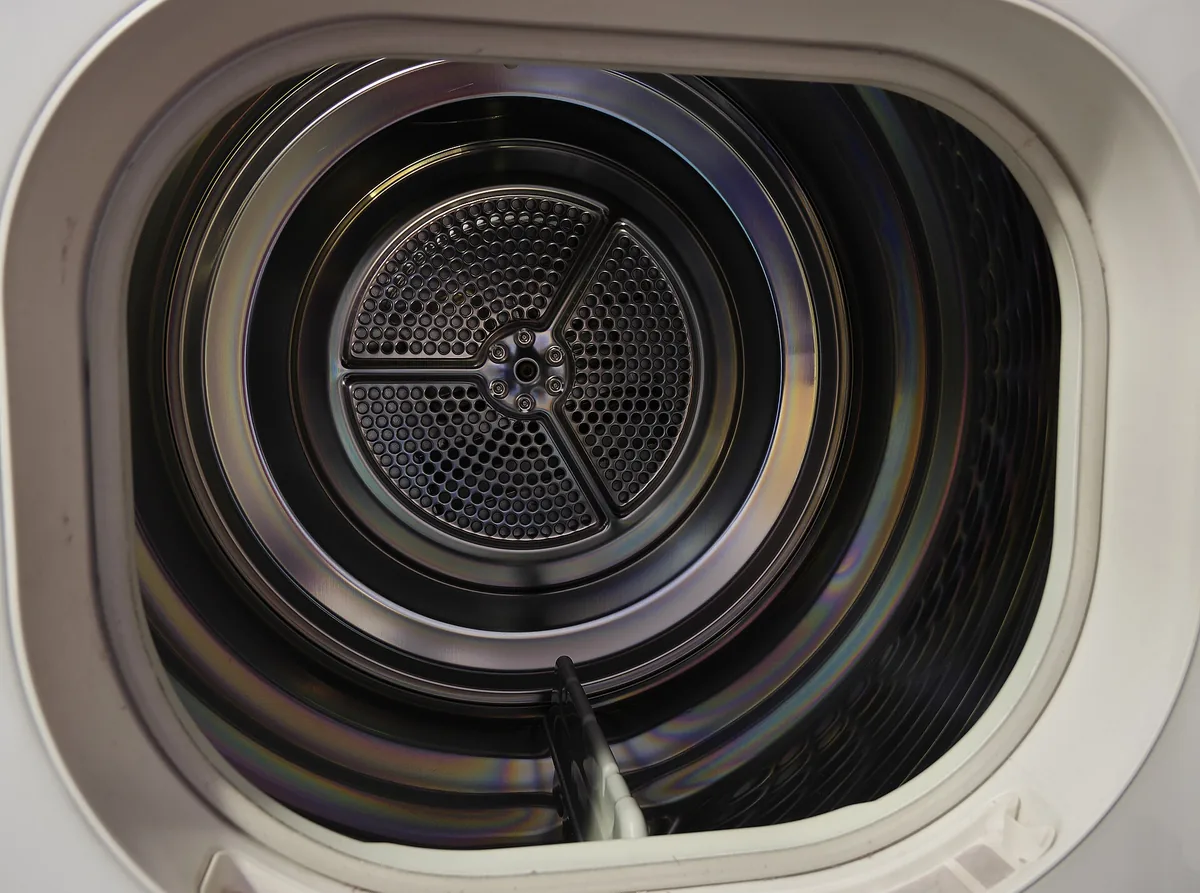
- Many dryers with an automatic or sensor dry setting have two small metal bars, usually just inside the door opening or near the lint screen. Every model is a little different, so check your owner's manual for where yours are.
- Wet clothes tumbling across those bars tell the dryer there's still moisture. When the clothes stop making that contact, the dryer decides they're done.
- Over time, dryer sheets and fabric softener leave a thin film on the bars. The dryer can't "feel" the damp clothes anymore, so it shuts off early.
Source: Stock photo by Santeri Viinamäki on Wikimedia Commons, CC BY-SA 4.0. Not a Chris Can Fix It job photo.
Clean the sensor strips
- Let the dryer cool down, then unplug it. If you can't reach the plug easily and safely, skip this and call me.
- Put a little white vinegar or rubbing alcohol on a soft cloth and wipe both metal strips. Don't use anything scratchy.
- Dry them off, plug the dryer back in, and try a normal load on the sensor dry setting.
Home tip
Clean the lint screen before every load, and don't stuff the drum full. Clothes need room to tumble so they actually hit the sensor strips. A packed dryer dries slower and can end the cycle early. My post on dryer fire checks for the laundry room covers the lint screen and vent too.
When to stop and call
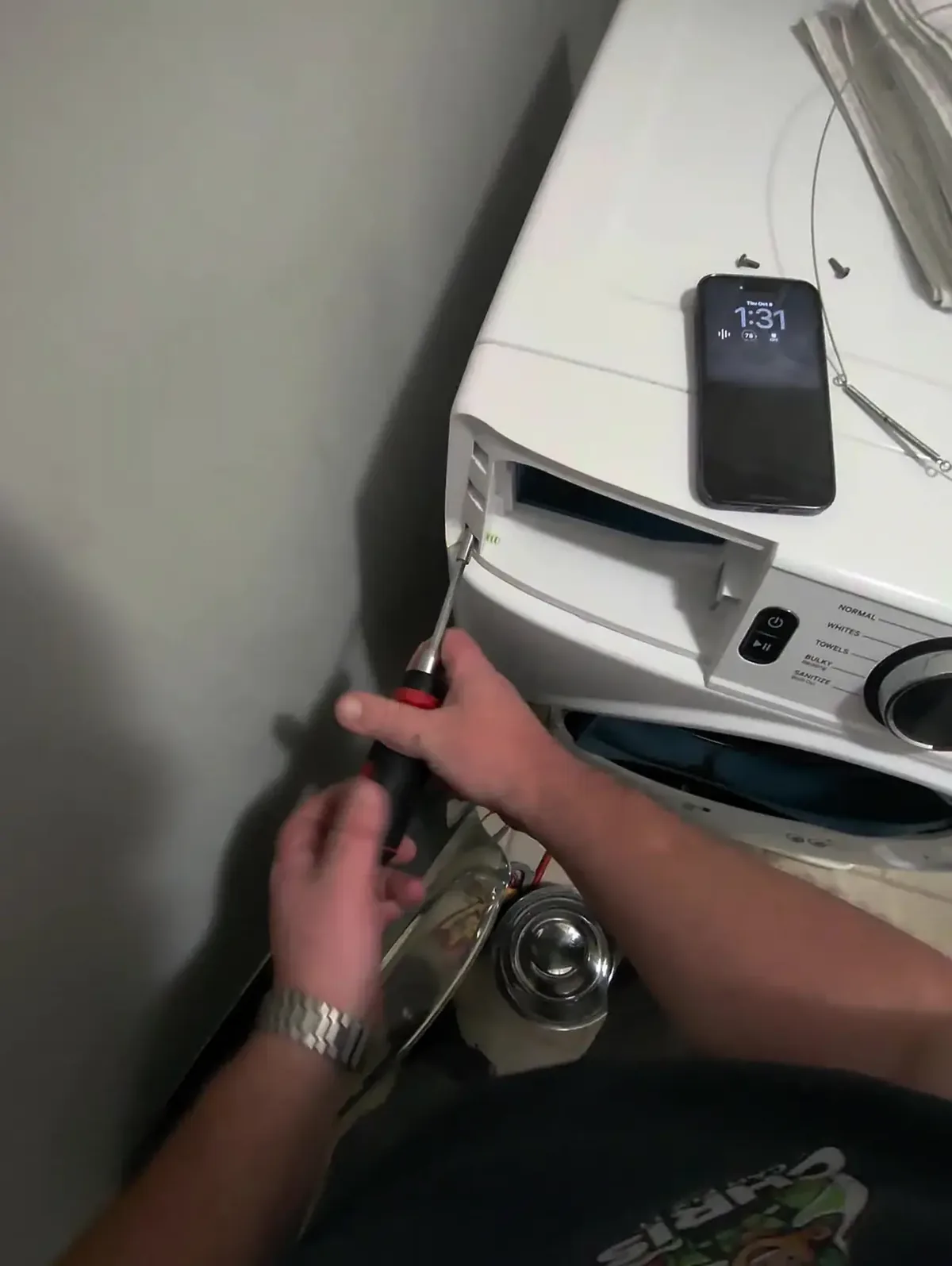
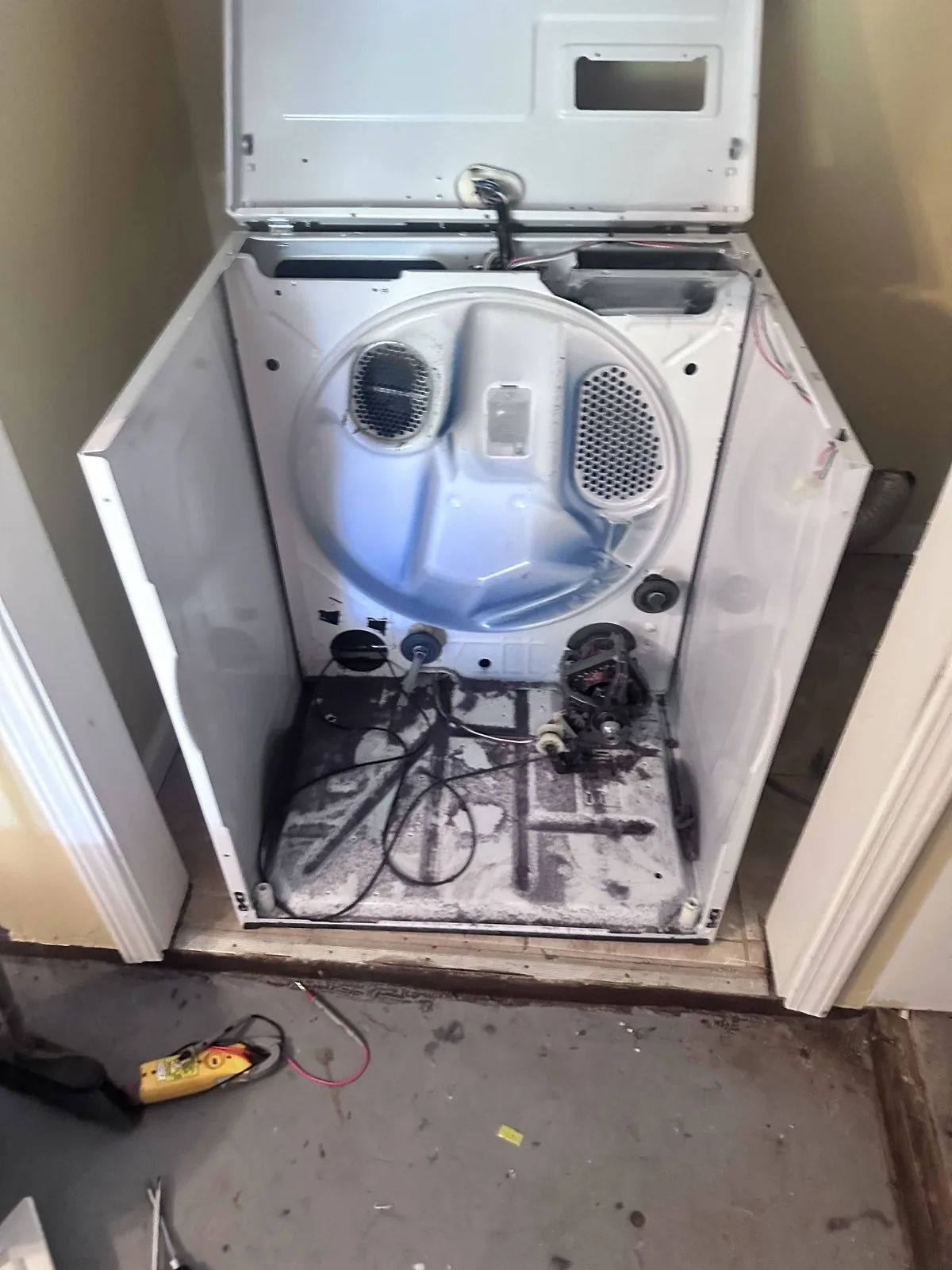
- Don't take the cabinet apart or poke into the vent from inside the drum.
- If you have a gas dryer, don't touch the gas line or the burner. If you smell gas, leave the house and call your gas utility from outside.
- A burning smell, scorch marks, or a dryer that feels very hot on the outside means stop using it and don't run it while you're asleep or away.
If the strips are clean and the clothes still come out wet, or the dryer runs but won't heat, call me at (470) 999-7395 or book a $79 diagnostic and I'll find out why.