Why the self-clean cycle is hard on an oven
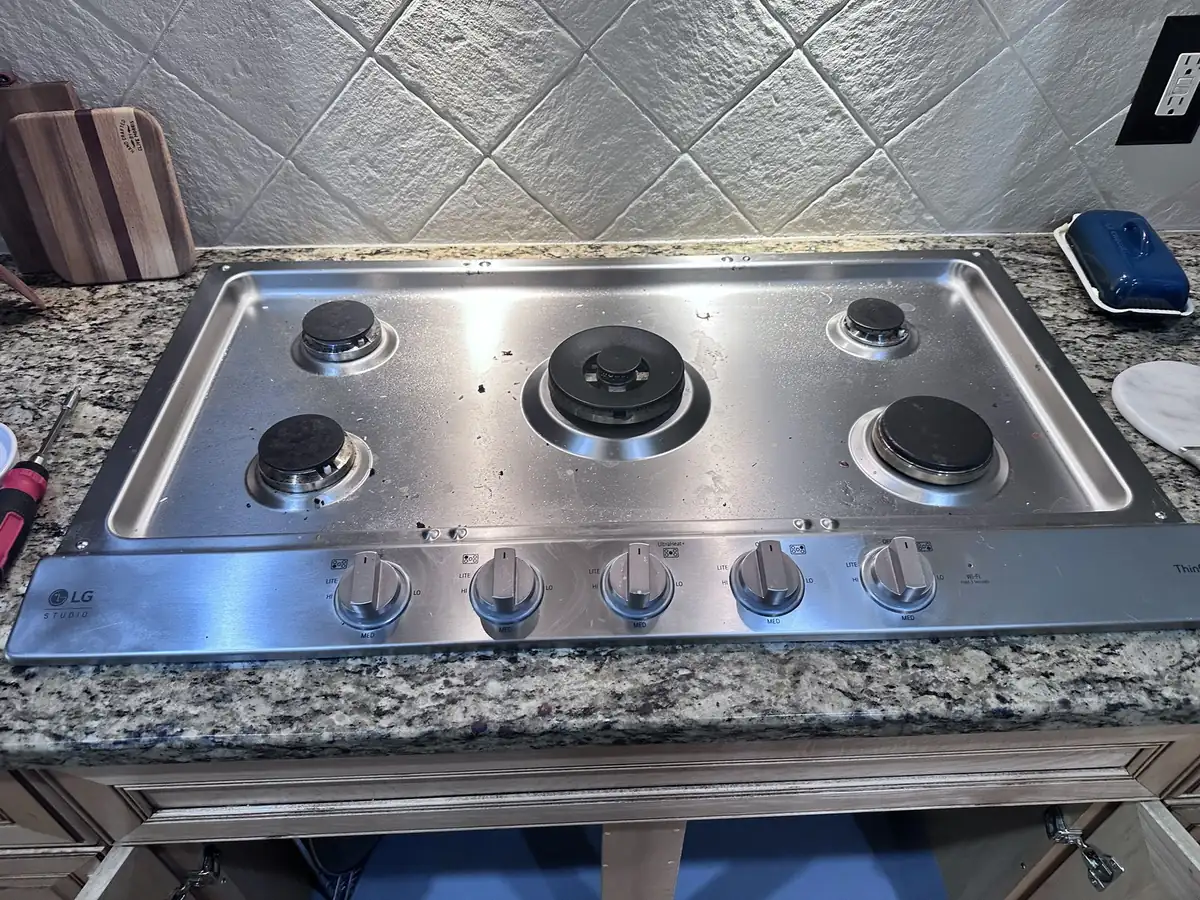
The self-clean cycle burns off grease and spills by heating the oven far hotter than you ever cook with, often for a few hours. That heat is great at turning baked-on food into ash. It is also hard on the parts around the oven cavity.
The parts that most often fail during or right after a self-clean are the thermal fuse, the door lock, the temperature sensor and the electronic control board. An oven that is a few years old with a part that was already weak is the most likely one to quit.
If you want to self-clean, do it at least two to three weeks before a big holiday. If something fails, there is time to get it fixed before you need it.
Clean it the gentle way instead
For a quick holiday clean, you do not need the self-clean cycle. With the oven off and cool, take the racks out and soak them in the tub or a sink with warm soapy water. Make a paste of baking soda and water, spread it on the bottom and sides, and let it sit overnight. Wipe it out with a damp cloth the next day.
Put a sheet pan on the rack below anything that might bubble over, like pies and casseroles. It is much easier to wash a pan than to clean a burned spill off the oven floor.
Skip harsh oven sprays on a self-cleaning oven unless the manual says they are safe. The inside finish is made for high heat, and some sprays can damage it.
If it already quit after a self-clean
If the door stays locked after the cycle, let the oven cool completely and give it time. Many doors unlock on their own once the oven is cool. If it is still locked, or the oven will not heat, do not pry the door or take panels off. On a gas oven, never try to work on the burner or gas valve yourself.
Call me at (470) 999-7395. A $79 diagnostic tells you exactly what failed so it can be fixed before the holiday cooking starts.
If you ever smell gas from a gas oven or range, turn it off if you safely can, leave the house and call your gas company from outside.