Steam and a whoosh: the defrost cycle is normal
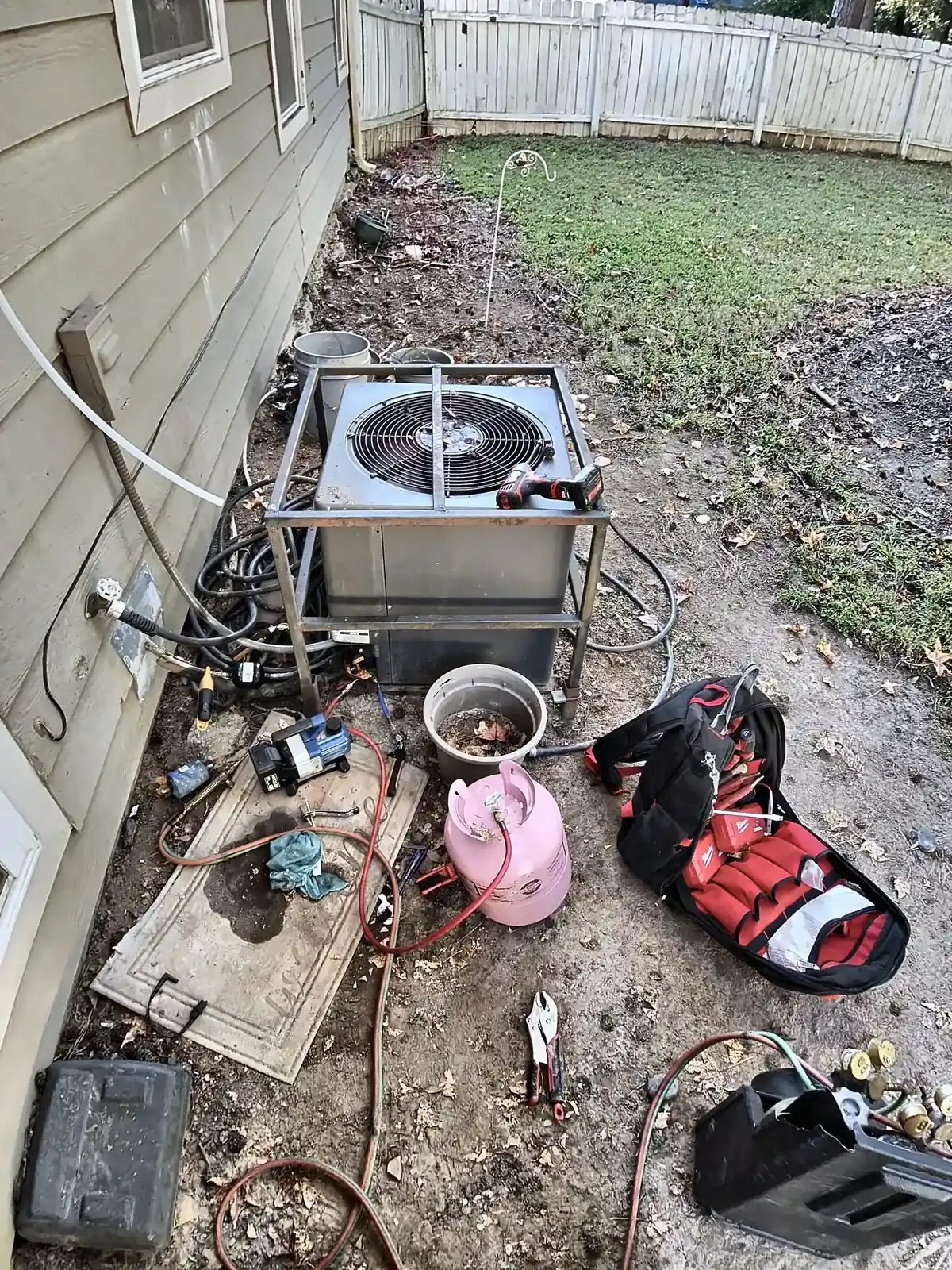
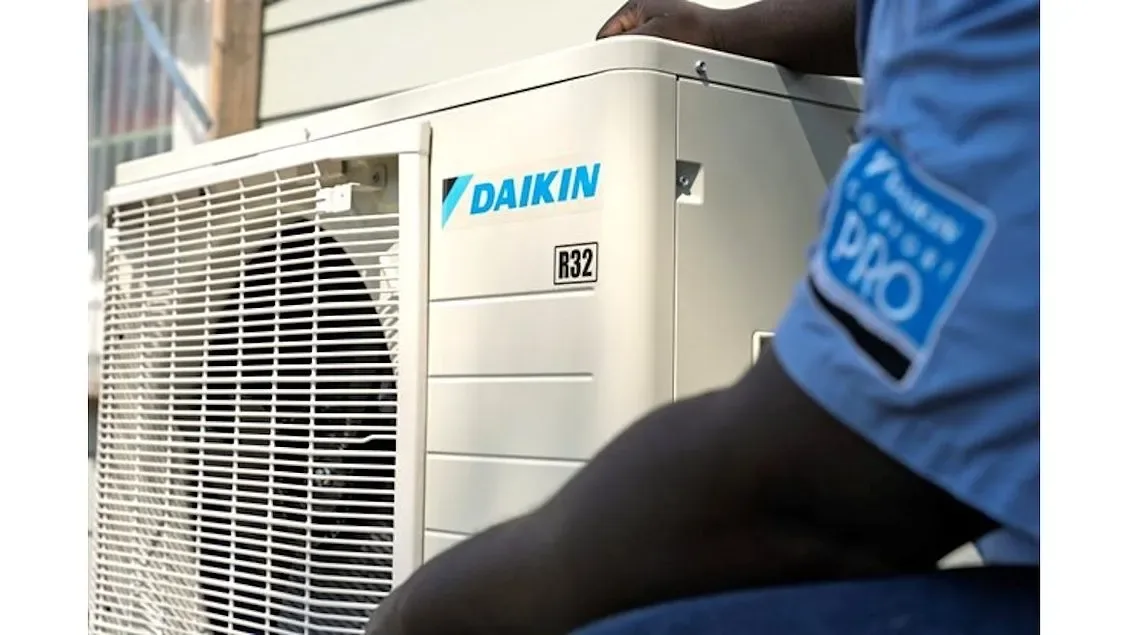
When it's cold and damp out, a thin layer of frost builds up on the outdoor coil. A few times an hour, the heat pump switches into defrost to melt it off. While that happens, the outdoor fan usually stops, you may hear a whoosh or a click, and you'll see a cloud of steam rising off the unit for a few minutes. That steam can look alarming, but it's just the frost turning to water vapor. Afterward the unit goes right back to heating.
Watch it once on a cold morning so you know what normal looks like at your house. A light frost that clears every so often is fine. Make sure melted water can drain away from the unit and doesn't refreeze into a pile underneath it.
Auxiliary heat kicking on is normal too
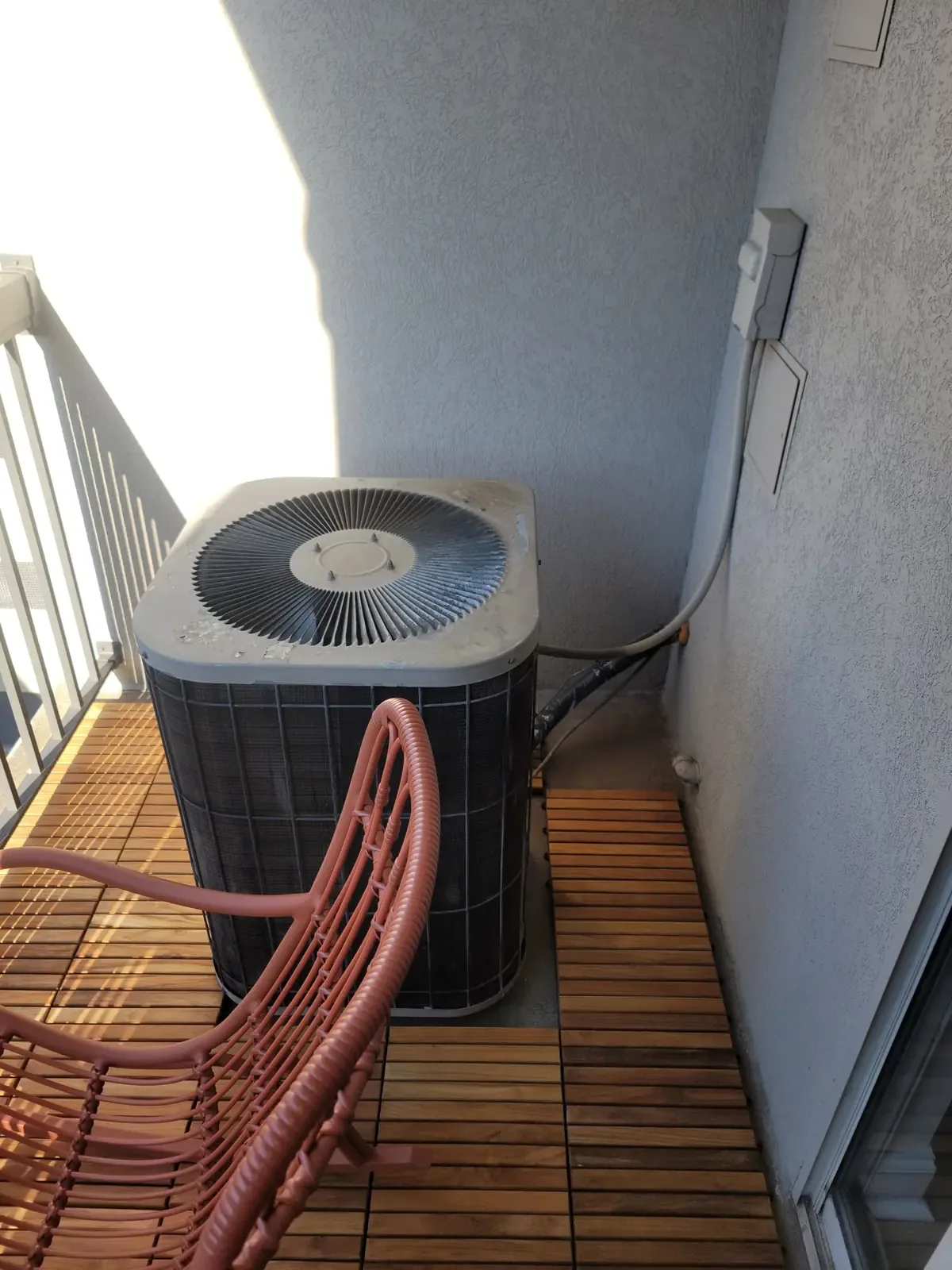
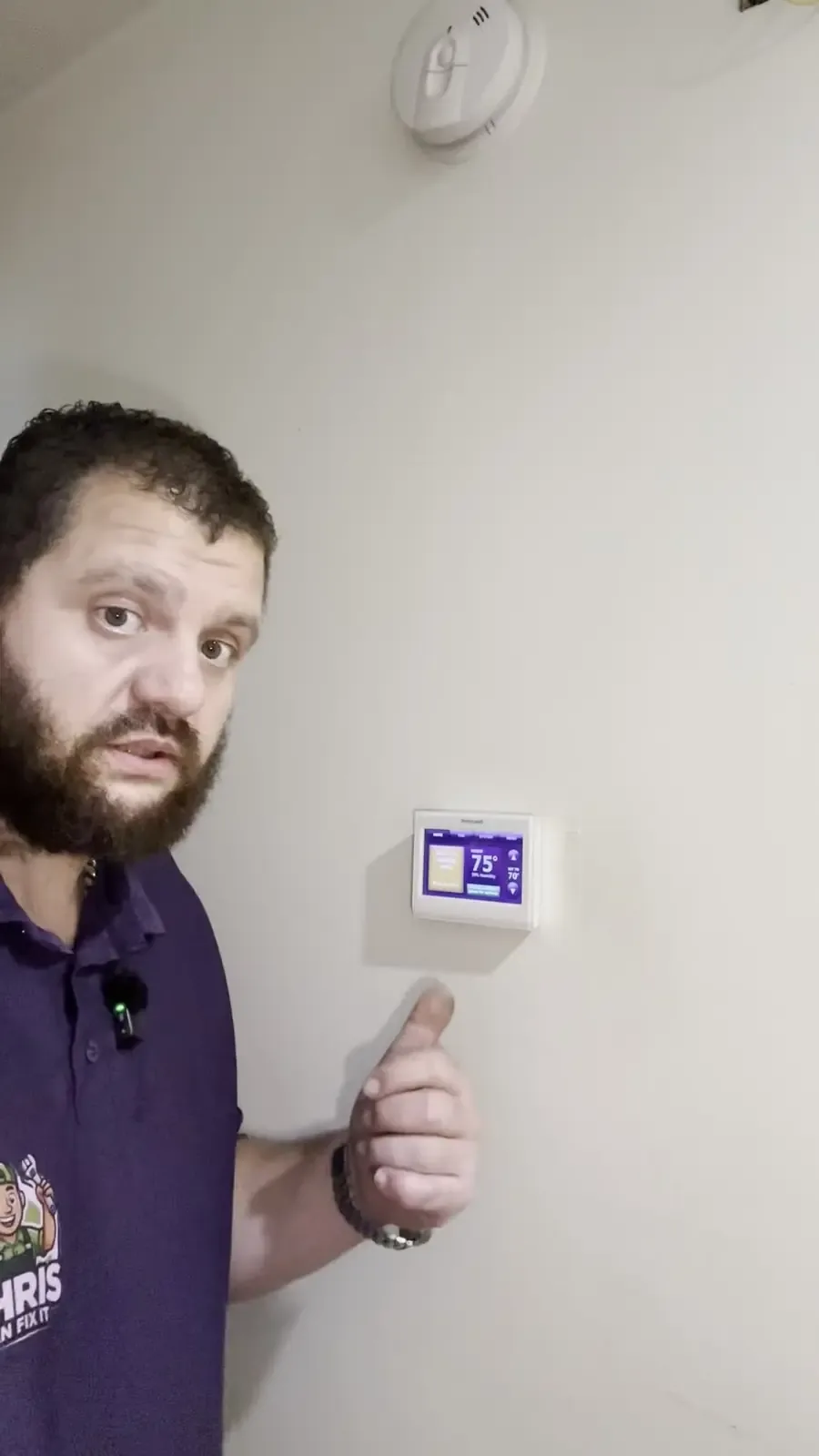
A heat pump moves heat from the outside air into your house, and it gets less efficient as the temperature drops. On the coldest days, most systems turn on a backup heat source, called auxiliary or emergency heat, to help keep up. You might see "AUX" or "EM" on the thermostat. Seeing it on cold mornings, or for a bit after you turn the temperature up, is normal. Seeing it run all day on a mild afternoon is worth a closer look, because that backup heat costs more to run.
- Small temperature changes keep the heat pump doing the work instead of the backup heat
- Big jumps on the thermostat often bring on the auxiliary heat
- Leave "Emergency heat" off unless the outdoor unit has actually stopped working
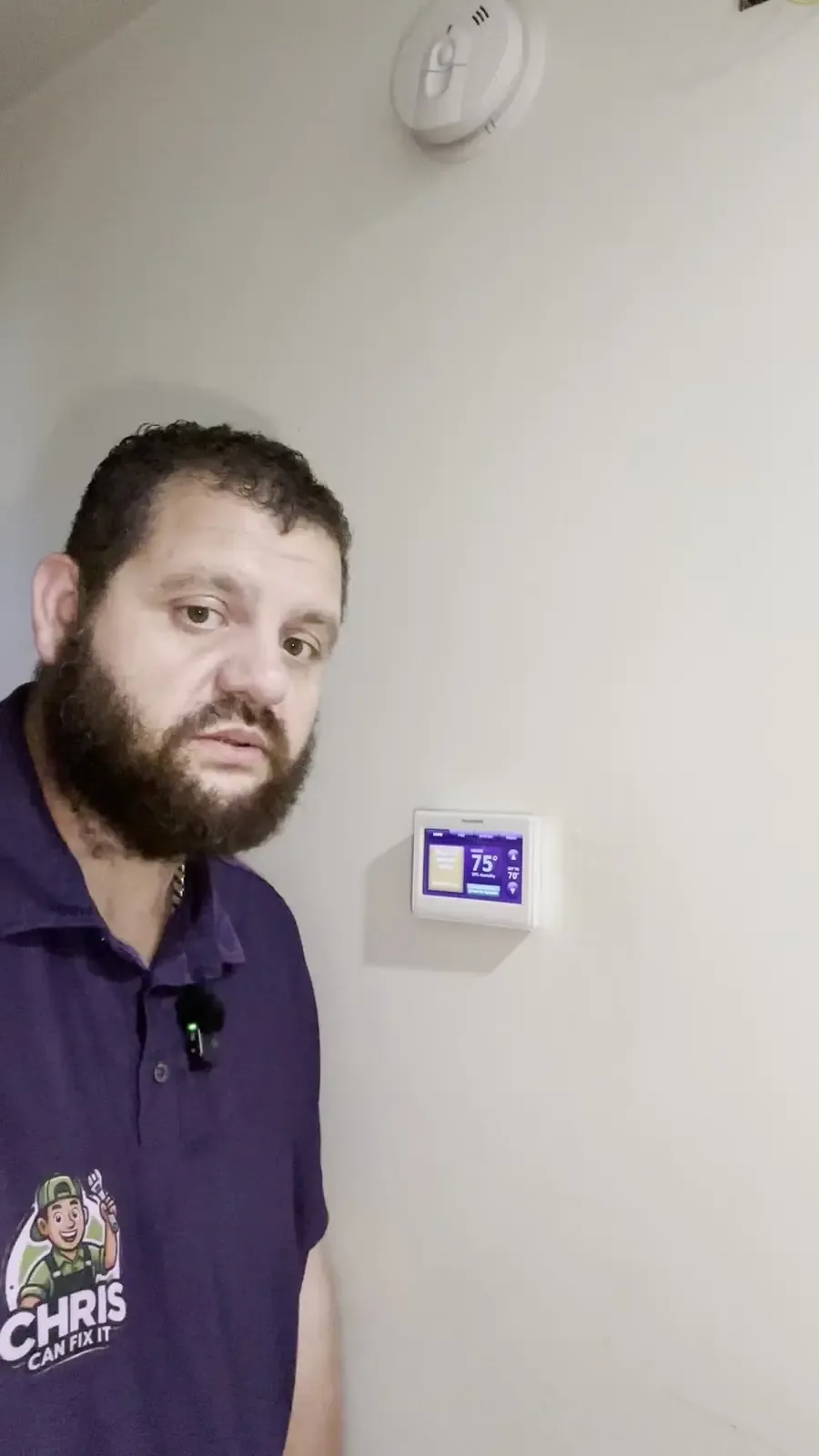
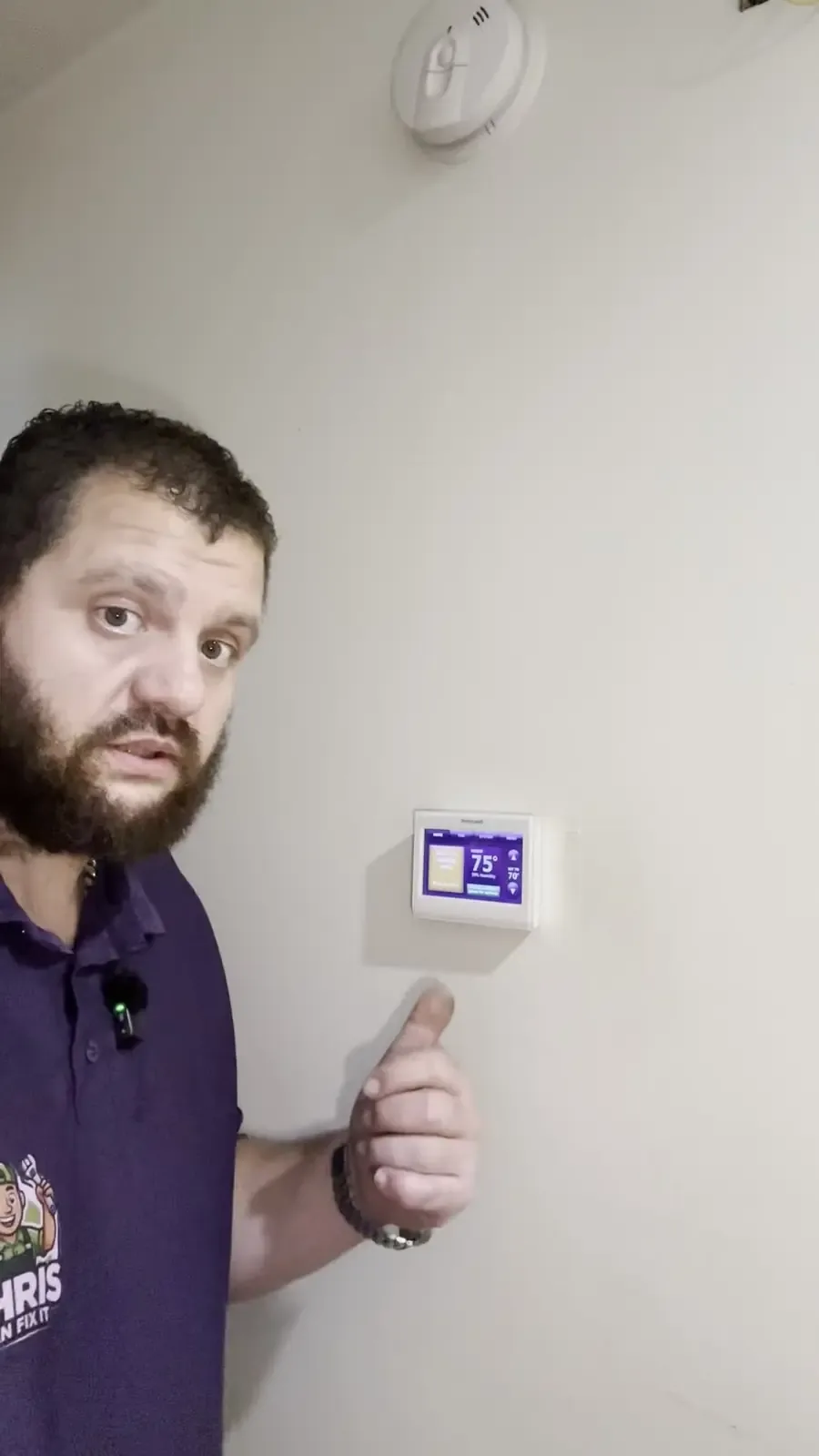
Pick a comfortable temperature and leave it there on the coldest days. If your thermostat shows auxiliary heat running for hours when it isn't very cold outside, jot down the time and outdoor temperature. That helps whoever checks the system.
When ice is a problem, and keeping the unit clear
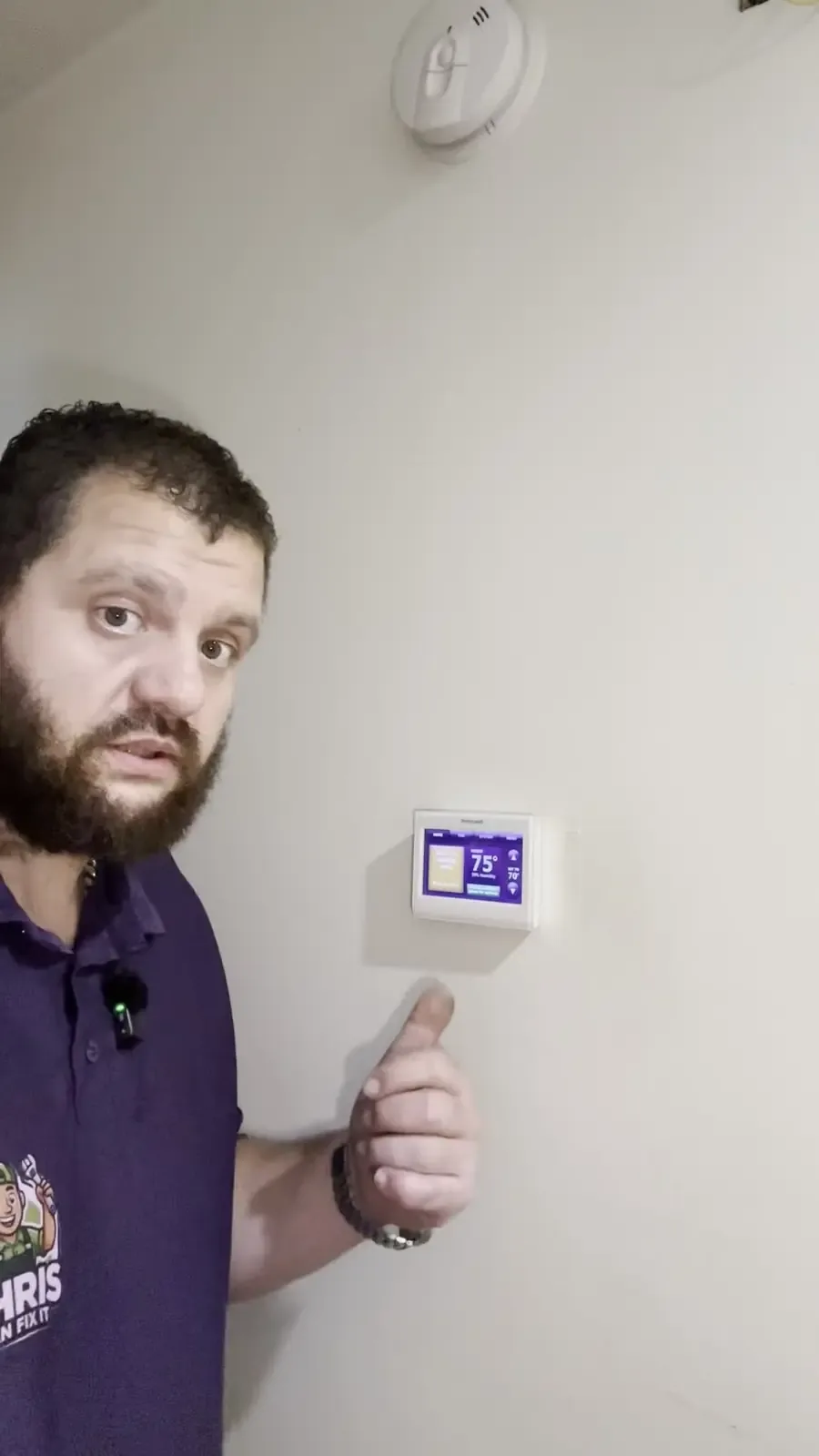
A little frost is fine. A unit that's completely encased in ice, top and sides, and stays that way for hours is not. That usually means the defrost isn't working the way it should, the outdoor fan has a problem, or water is dripping onto the unit from a gutter above. Don't chip at the ice or pour hot water on the coil, because the fins bend easily and that can make things worse. And never put a cover over a heat pump in winter; it needs to breathe all season.
Keep leaves, pine straw and snow cleared at least a couple of feet from all sides of the unit, and make sure the top is clear. If the unit is iced over solid or the house isn't keeping up, switch the thermostat to emergency heat and give me a call. Anything involving refrigerant is a job for a pro. I can come out for a $79 diagnostic and tell you exactly what's going on before any work starts.