Chris Can Fix It logo
← Around the House
Tech notes for the home

Running Toilet? The Flapper Test I Use First

· 3 stories · By Chris

A toilet that keeps running, or that "ghost flushes" every so often with nobody near it, wastes a lot of water and runs up the bill. Most of the time the problem is a worn flapper in the tank. Before I dig into anything else, I run a simple food-coloring test that takes about 10 minutes.

Why a running toilet matters
Why a running toilet matters
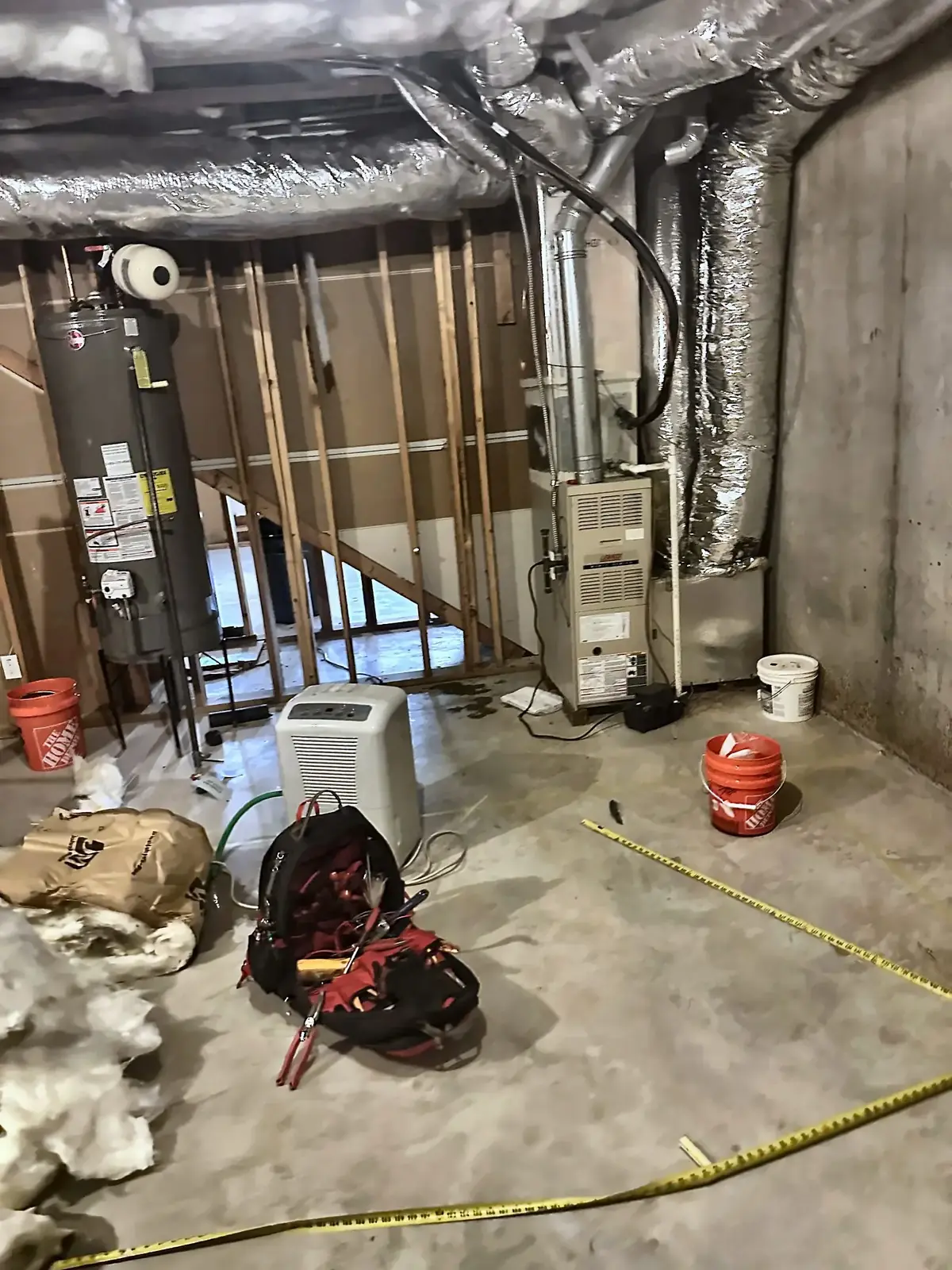
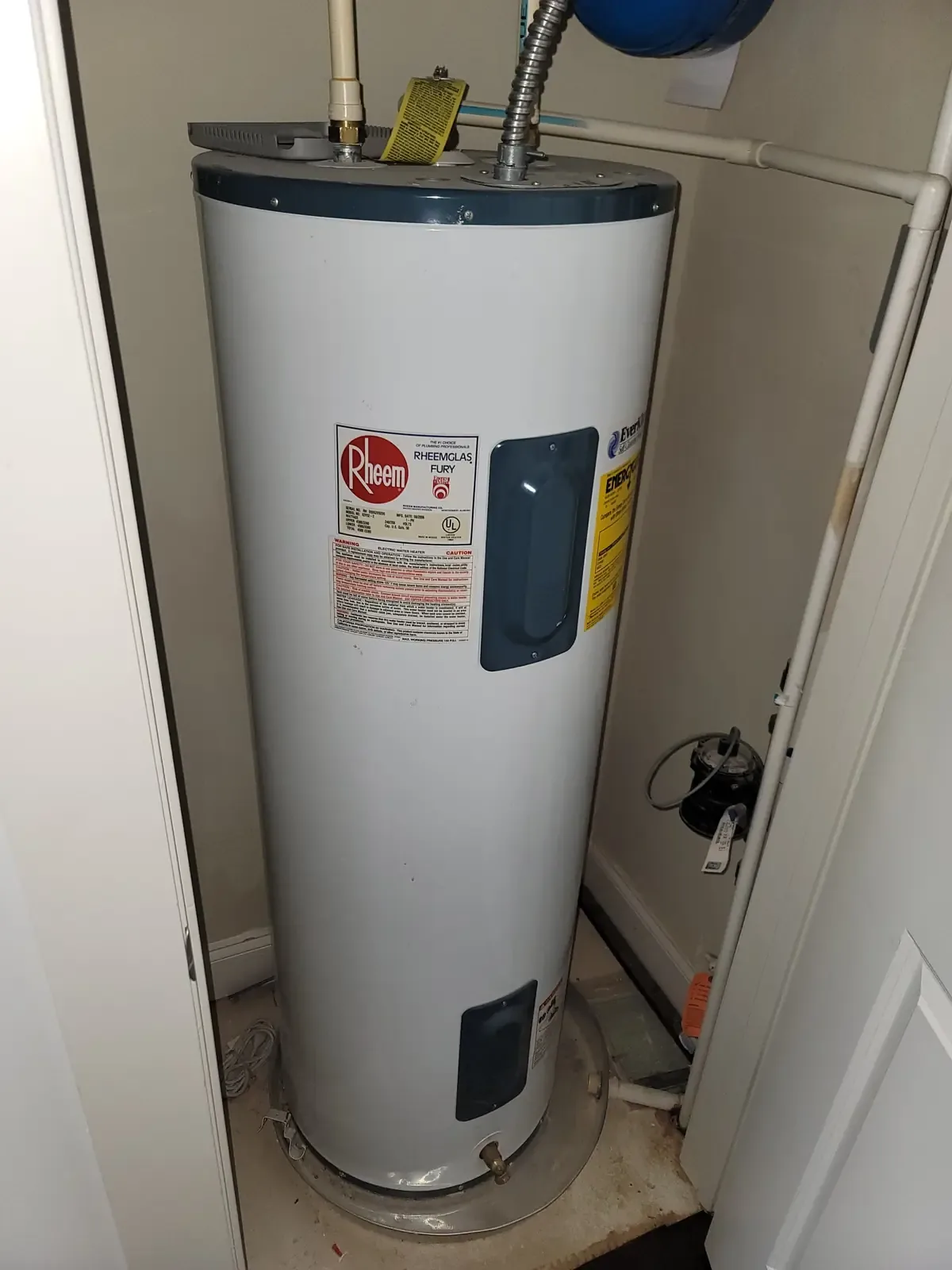
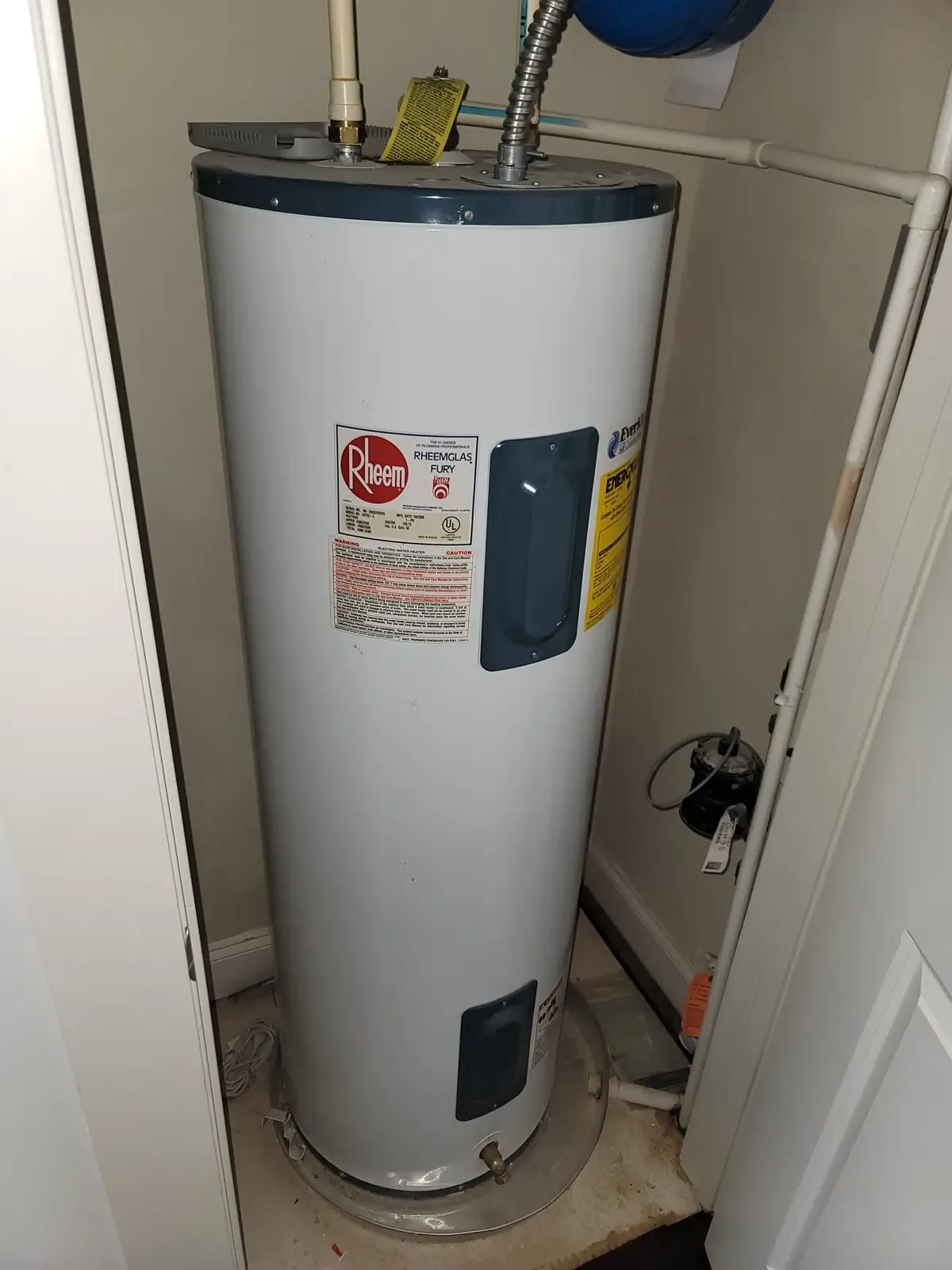
Image: Chris Can Fix It, a water heater I serviced — plumbing problems often hide until they waste a lot of water

The flapper is the rubber seal at the bottom of the tank. When you flush, it lifts so water can drop into the bowl, then it seats again so the tank can refill and hold water. When the flapper warps, cracks or gets coated with mineral buildup, water sneaks into the bowl even when the toilet isn't being used. That silent leak can waste thousands of gallons a year.

The EPA's WaterSense program notes that the average household's leaks can waste nearly 10,000 gallons a year, and worn toilet flappers are one of the usual culprits. A toilet that refills on its own, or that you can hear trickling long after a flush, is waving a red flag.

Home tip

Put an ear next to the tank when the house is quiet. A soft hiss or a sudden refill with nobody flushing points to a leak.

Source: U.S. EPA WaterSense — Fix a Leak Week

The food-coloring flapper test

The food-coloring flapper test
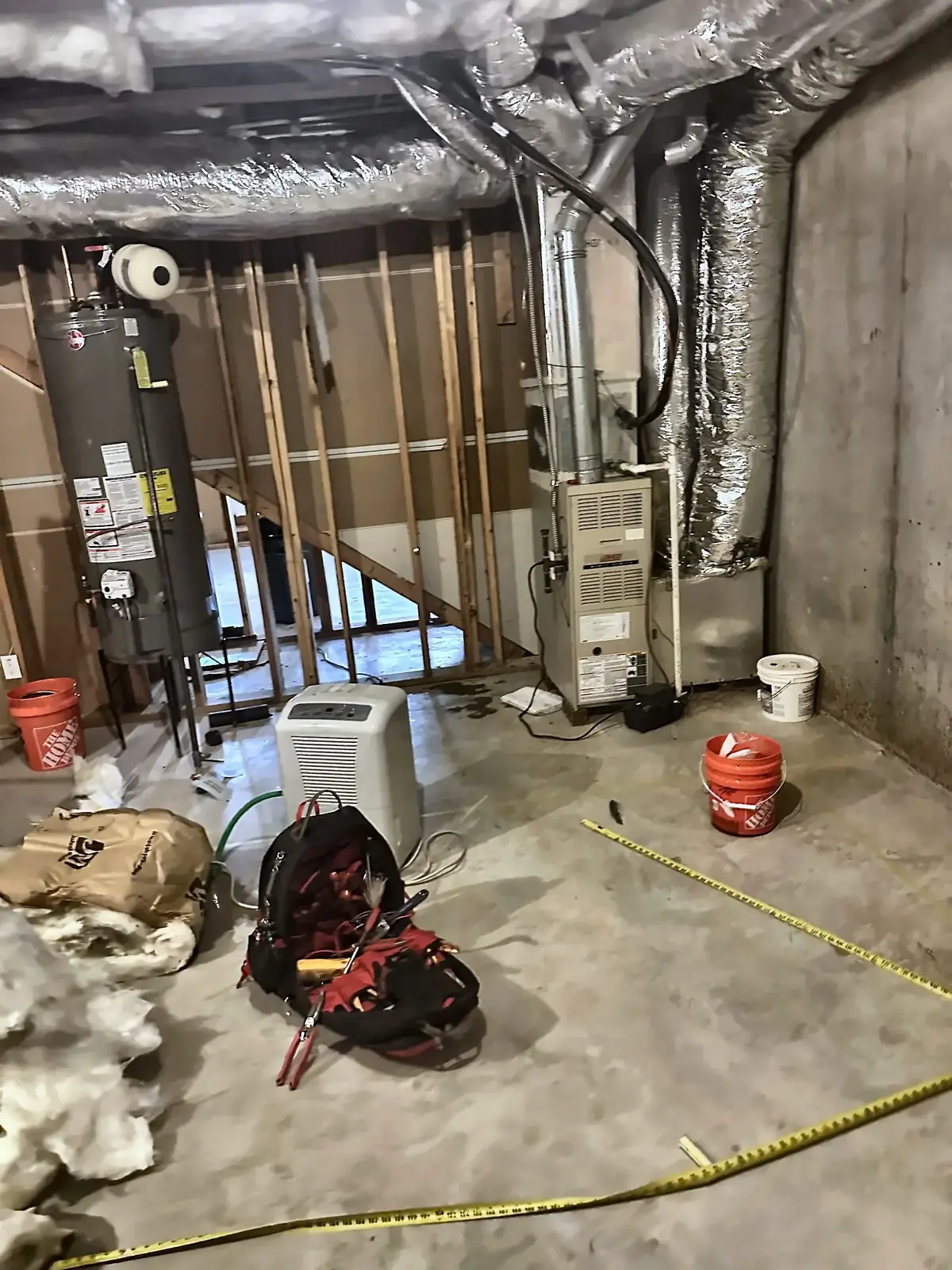
Image: Chris Can Fix It, a water heater in a customer's basement — I see a lot of water waste that starts with a small leak

Here's the test the EPA recommends, and the one I start with:

1. Lift the tank lid (the water in the tank is clean supply water). 2. Put a few drops of dark food coloring into the tank. 3. Wait 10 minutes without flushing. 4. Look in the bowl. If color shows up, the flapper or flush-valve seal is leaking. 5. Flush right away so the dye doesn't stain the tank.

If the dye stayed in the tank, the flapper seal is probably fine and the running water may be something else, like a fill valve that won't shut off, a chain that's too tight, or a float set too high. If dye did show in the bowl, a new flapper that matches the toilet usually fixes it. Bring the old one (or a clear photo) to the hardware store so the replacement fits.

Home tip

Replace a rubber flapper about every five years even if it looks okay. Rubber hardens and warps over time.

Source: U.S. EPA WaterSense — Fix a Leak Week

Soft floors and rocking toilets mean stop

Soft floors and rocking toilets mean stop
Image: Chris Can Fix It, me by the Chris Can Fix It truck

A new flapper is a homeowner job when the tank and bowl are solid and dry. Soft flooring around the base, water stains on the ceiling below, a toilet that rocks, or a wax ring smell are different. Those often mean the seal under the toilet has failed or water has been leaking into the floor for a while. Don't keep tightening bolts on a rocking toilet. That can crack the base or the flange.

If the floor feels soft, the toilet rocks, or water is pooling at the base, book a diagnostic and leave the guessing alone. Same goes if the toilet won't stop running after a flapper swap, or if the shutoff valve at the wall is stuck.

Home tip

Got a running toilet, a soft floor around it, or a toilet that won't stop filling? Call me at (470) 999-7395. A $79 diagnostic is how I find out whether it's a flapper, a valve or something under the bowl.
More from Around the House

Nov 5, 2026

Tech Brief: HVAC Policy After Midterms, a New OLED iPad mini, Drone Rules and Safer Logins

Nov 5, 2026

GFCI Outlets: The Monthly Test That Takes 10 Seconds

Nov 5, 2026

Holiday Lights: Cord and Outlet Checks Before You Hang Them

Nov 4, 2026

Tech Brief: An Urgent Android Fix, Pixel Watch Battery Help, HVAC Prices and AI at School

Nov 4, 2026

Washer Hoses: A 5-Minute Check Before One Bursts

Nov 4, 2026

Clean Your Range Hood Filters Before Holiday Cooking

Nov 4, 2026

Holiday Grease and Your Kitchen Drains: What I Do Instead

Nov 3, 2026

Tech Brief: Hacked Store Freezers, Pricier Macs, a Watch That Rewinds and Smarter Heat Pumps

Nov 3, 2026

Dry Winter Air: How to Add Humidity Without Causing Mold

Nov 3, 2026

Drafty Doors? How I Check Weatherstripping and Door Sweeps

Nov 3, 2026

Flip Your Ceiling Fan for Winter: Which Way It Should Spin

Nov 2, 2026

Tech Brief: Locking Down Your Accounts, New Refrigerants, a Touchscreen Mac and a Drone Weight Gotcha

Nov 2, 2026

Clocks Fell Back: Time for a Quick Smoke Alarm Check

Nov 2, 2026

Space Heater Safety: The Rules I Follow Every Winter

Nov 2, 2026

Emergency Heat: What the EM HEAT Setting Really Means

Nov 1, 2026

Tech Brief: Furnaces as Backup Heat, a Drone Update Gotcha, Sleep Checks and a New Phone

Oct 31, 2026

Tech Brief: Remote HVAC Monitoring, Hacked Freezers, Halloween Drones and New Gadgets

Oct 31, 2026

Furnace Filters 101: Size, Timing and Which Way It Goes

Oct 31, 2026

Frozen Pipes: How to Prevent Them and What to Do If One Freezes

Oct 31, 2026

Heat Pump in Winter: What's Normal and What Isn't

Oct 30, 2026

Tech Brief: Home Heating Trends, Drones, Sleep Tech and a Crypto Scam Warning

Oct 30, 2026

Carbon Monoxide: The Silent Winter Risk

Oct 30, 2026

Why Does My Furnace Smell Like Burning?

Oct 30, 2026

Furnace Short-Cycling? What It Means and What to Check

Oct 29, 2026

Fall Furnace Tune-Up: What a Pro Actually Checks

Oct 29, 2026

No Heat? 5 Things to Check Before You Call

Oct 29, 2026

Why Dryer Fires Peak in Winter, and the Laundry Room Checks I'd Do This Weekend

Oct 27, 2026

Apple's New Thermostats, Refrigerant Top-Offs, and My Furnace Checks Before the First Cold Night

Oct 26, 2026

Get the Paperwork on a New HVAC Install, Plus a Family Rule for Scam Calls

Oct 25, 2026

Humidity, Mold and Your AC Drain: What a New Bill Says About Healthy Air

Oct 24, 2026

A Two-Minute Google Ad Check, a Smart Drone-Gift Tip, and Why Updates Reset Your Settings

All posts →

Call (470) 999-7395Text