Dryer fires climb in the fall and winter
The U.S. Fire Administration found that home dryer fires are more common in the fall and winter months and peak in January. The leading cause in its report was simple: failure to clean. A later National Fire Protection Association report came to the same answer, with about a third of home dryer fires blamed on a failure to clean, mostly lint buildup. Lint is light, dry, and sits right next to the heat, so when it piles up in the vent or inside the cabinet, the dryer runs hotter than it was built to.
Clean the lint screen before or after every load, not just when it looks full. Every few months, wash the screen with warm soapy water and a soft brush, because dryer sheets can leave a film on it that blocks air even when it looks clean. Never run the dryer without the screen in, and turn it off before you leave the house or go to bed.
Source: U.S. Fire Administration
Source: NFPA
Taking two cycles to dry? Check the vent before you blame the dryer
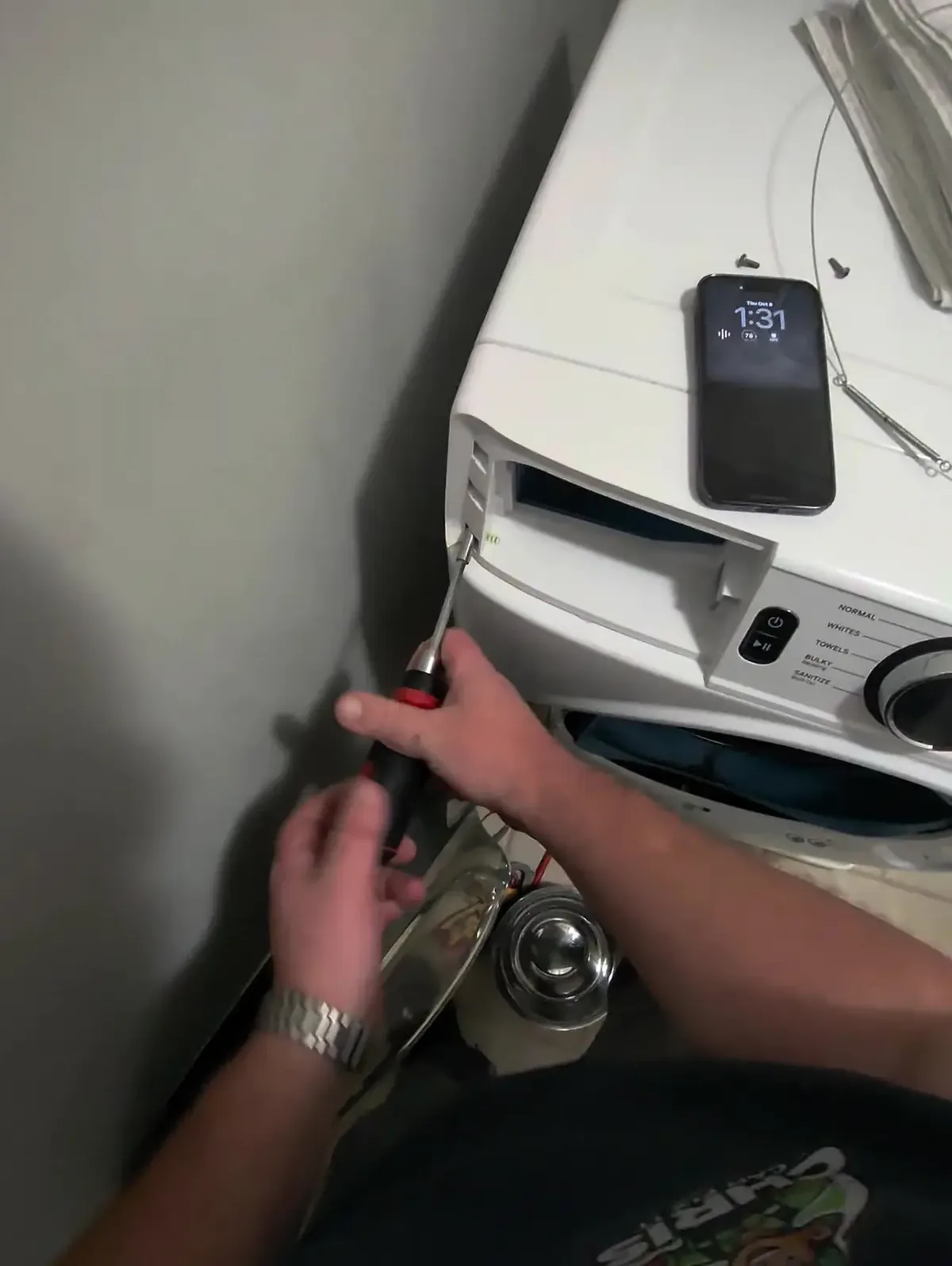
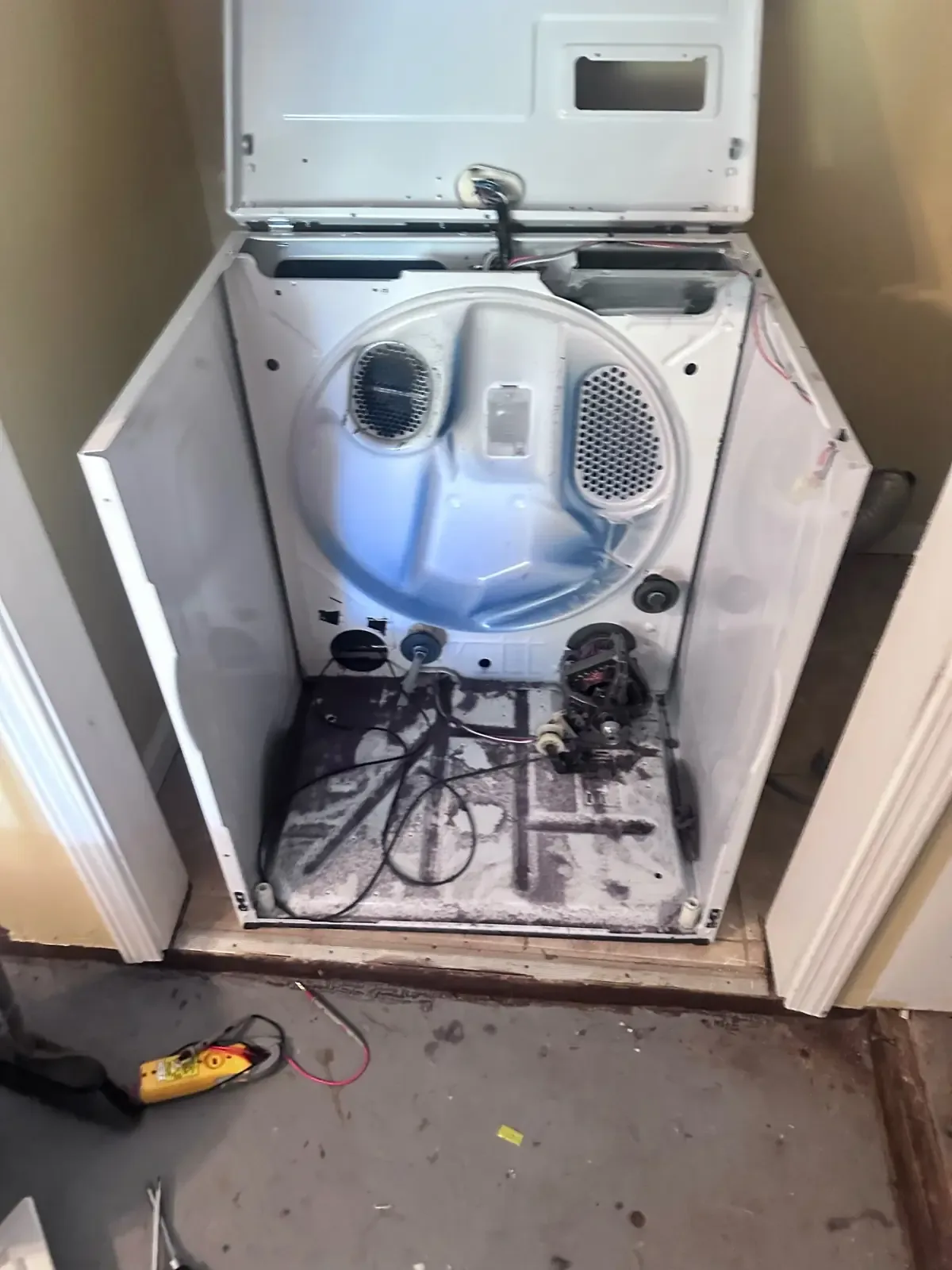
When I get a call that a dryer "isn't heating," a lot of the time it's heating just fine and the air has nowhere to go. A crushed hose behind the machine, a long vent run packed with lint, or an outside flap that's stuck shut will all make a load take twice as long, and they make the dryer work hotter while it does. The USFA's advice lines up with what I see: check that the venting behind the dryer isn't damaged, crushed or restricted, and make sure the outside vent cover opens when the dryer is running.
Start a load, step outside, and find where the dryer vents. You should feel a strong, warm push of air and see the flap open. If it's weak or the flap barely moves, unplug the dryer, pull it out, and look at the hose. Thin plastic or foil accordion hose should be swapped for rigid or semi-rigid metal duct, and keep the run as short and straight as you can. On a gas dryer, be gentle with the gas line when you slide the machine back.
- A load takes more than one cycle to dry
- The outside of the dryer or the clothes feel unusually hot
- The laundry room gets humid or smells musty while it runs
- You see lint around the outside vent or behind the machine
While you're back there, look at the washer hoses
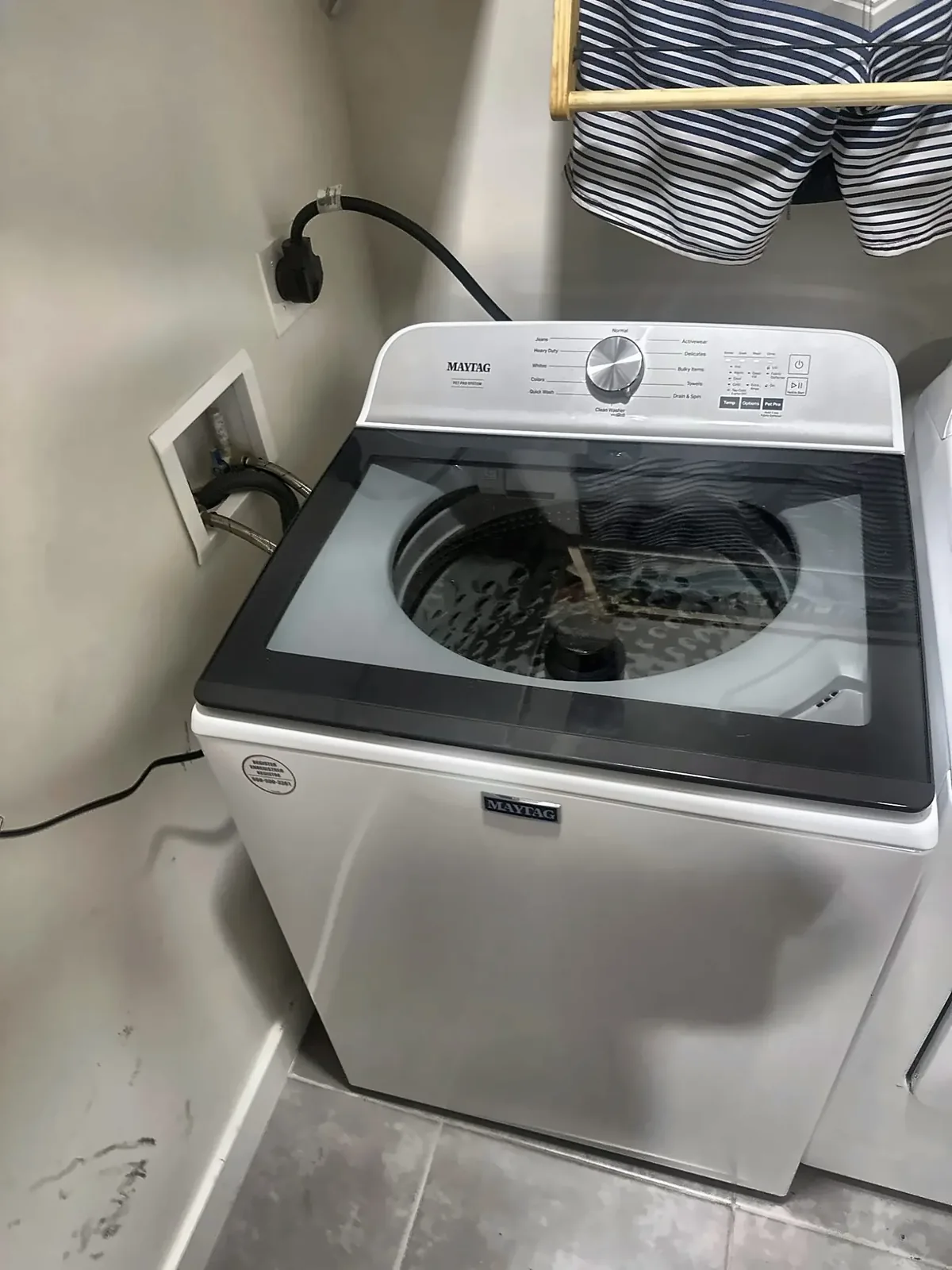
The two hoses that feed your washer are under water pressure all day, every day, even when the washer is off. Plain rubber hoses can crack or bulge with age, and when one lets go, it keeps pouring until someone shuts the water off. Since you already have the dryer pulled out, it's a good time to take a quick look.
With a flashlight, check both washer hoses for bulges, cracks, or rust at the ends, and make sure they aren't kinked against the wall. If they're the old black rubber kind, braided stainless hoses are an easy upgrade. Learn which way the two valves in the wall box turn off, and if you're leaving town for the holidays, shut them before you go.