What short-cycling looks like, and why it matters
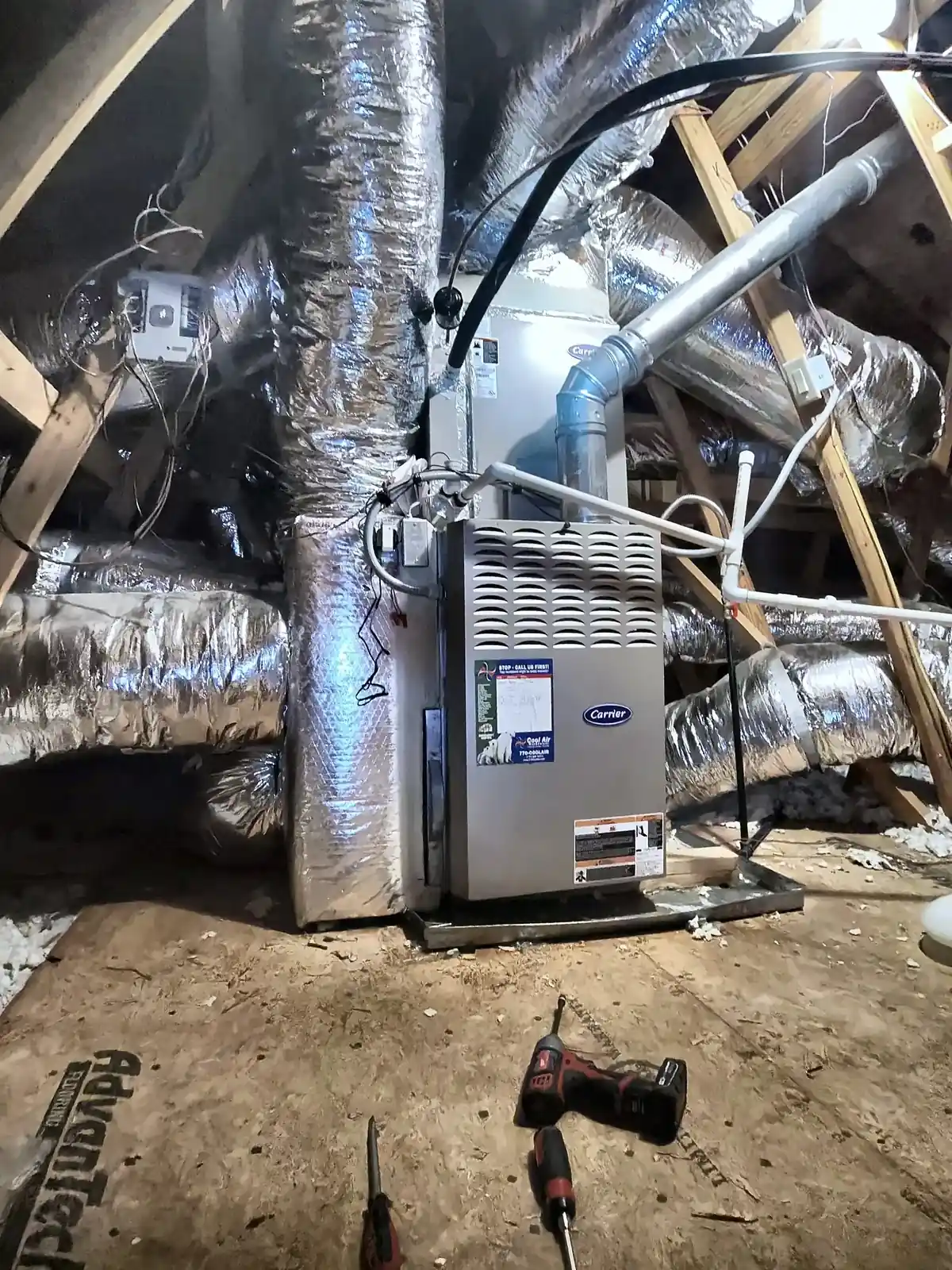
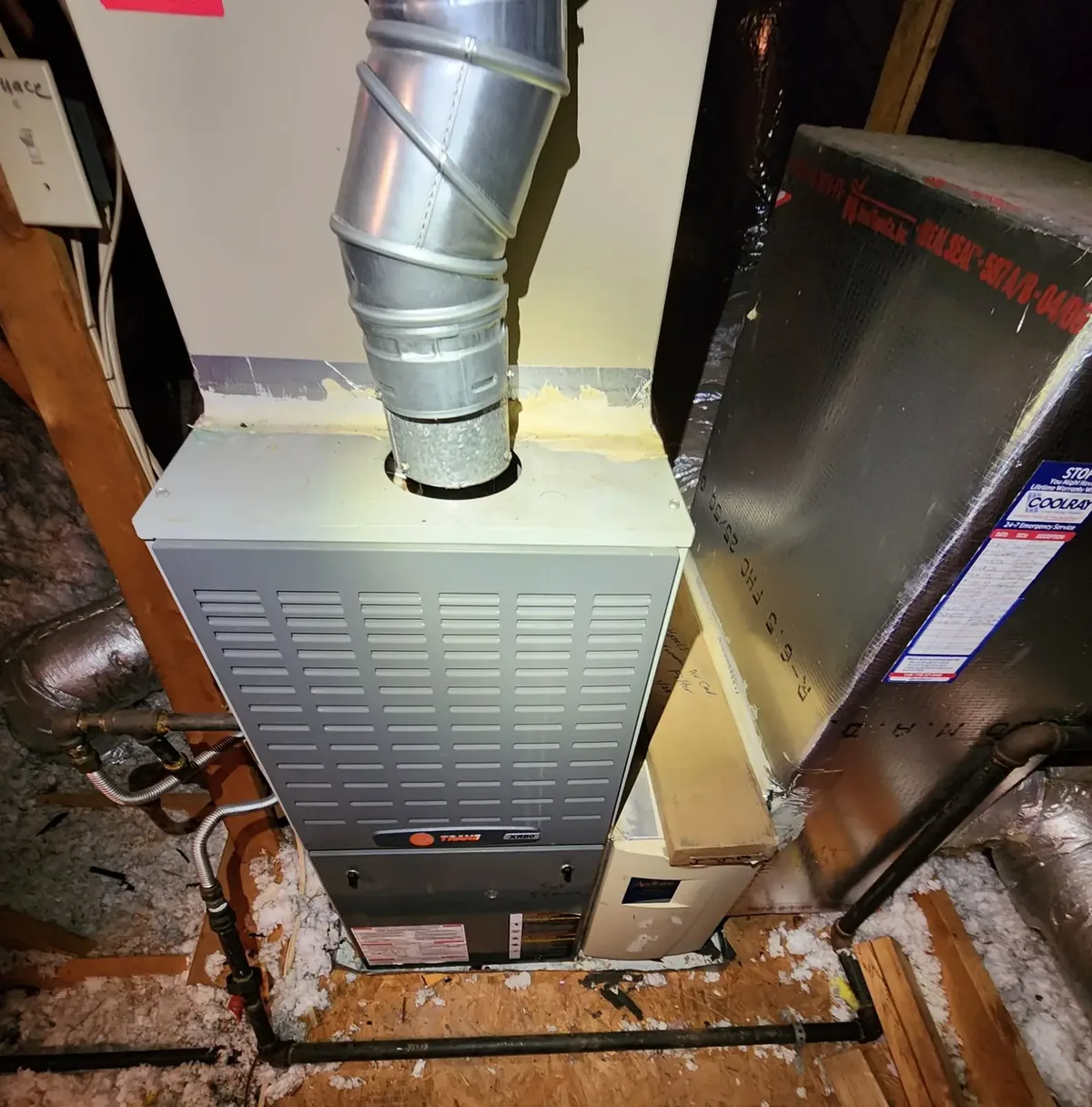
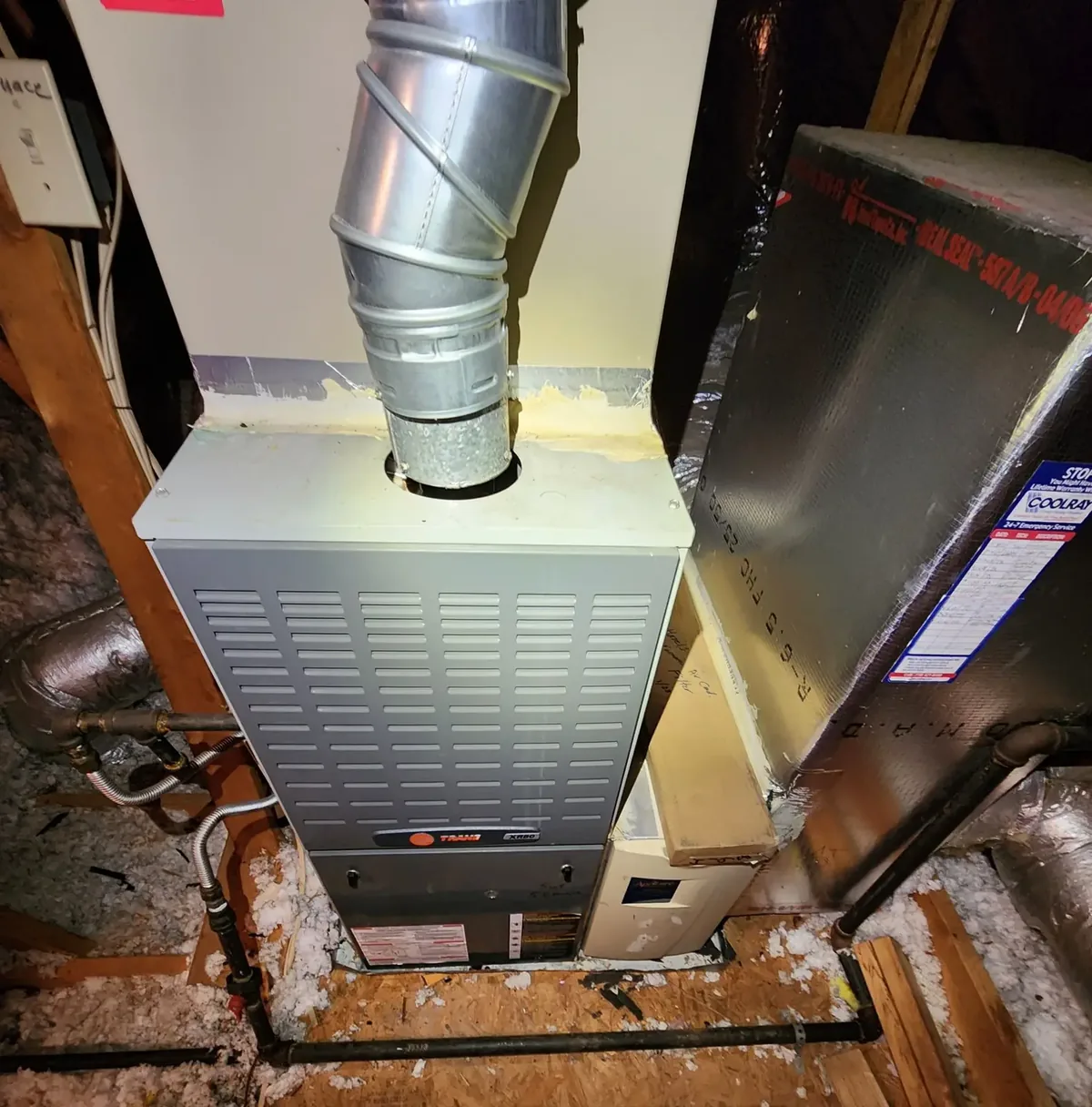
A healthy furnace usually runs in longer, steady cycles on a cold night, then rests. A short-cycling furnace never settles in. You'll hear it light, run briefly, and click off, sometimes every few minutes, while the rooms stay lukewarm. All that starting and stopping wastes energy, because the start of every cycle is the least efficient part. It also wears on the parts that do the most work, like the igniter, the blower motor and the controls.
Time it. On a cold evening, note when the furnace starts and stops for about half an hour. If it's shutting off every few minutes while the house is still below the thermostat setting, that's short-cycling, and those notes will help whoever looks at it.
The usual causes
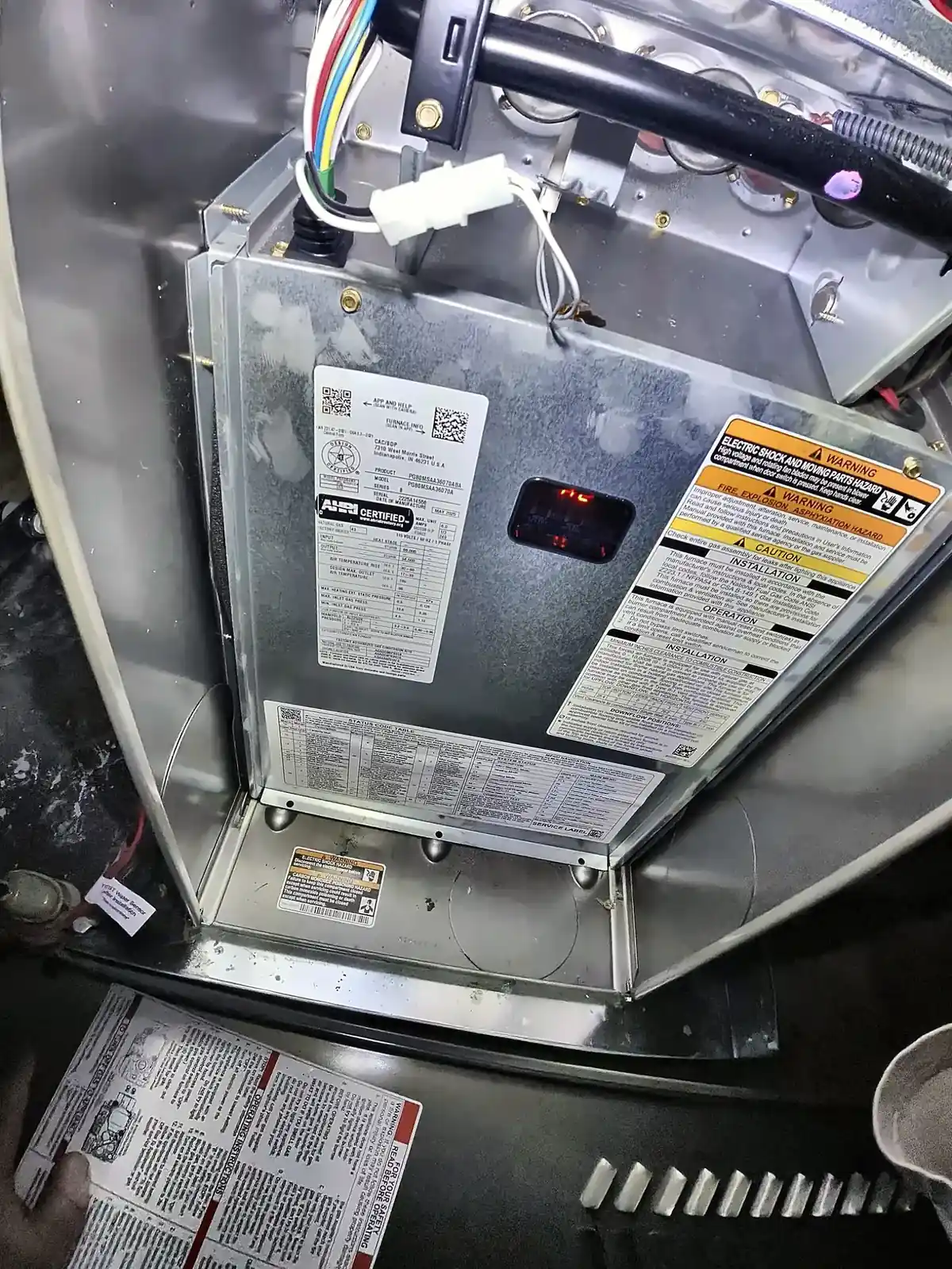
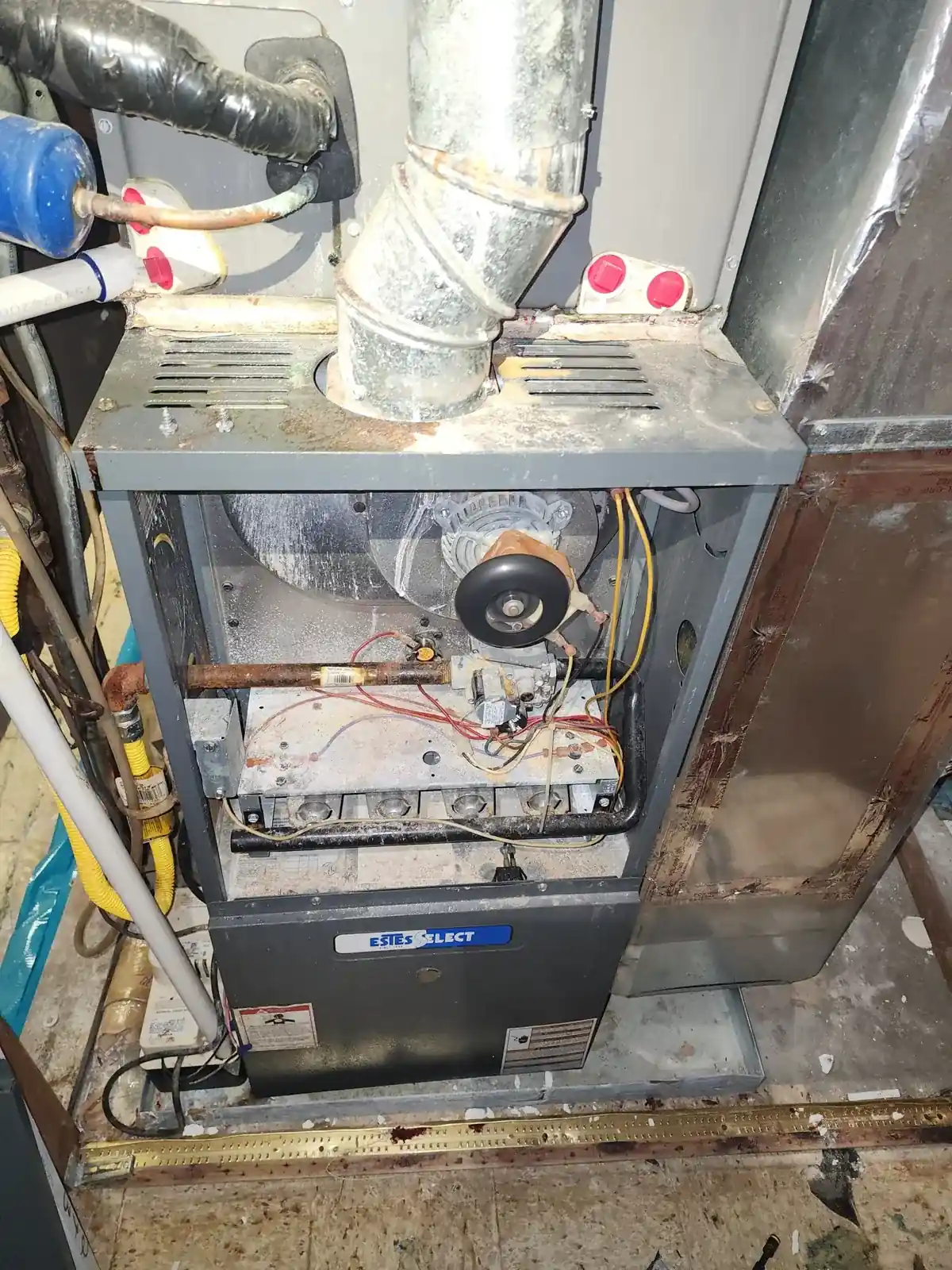
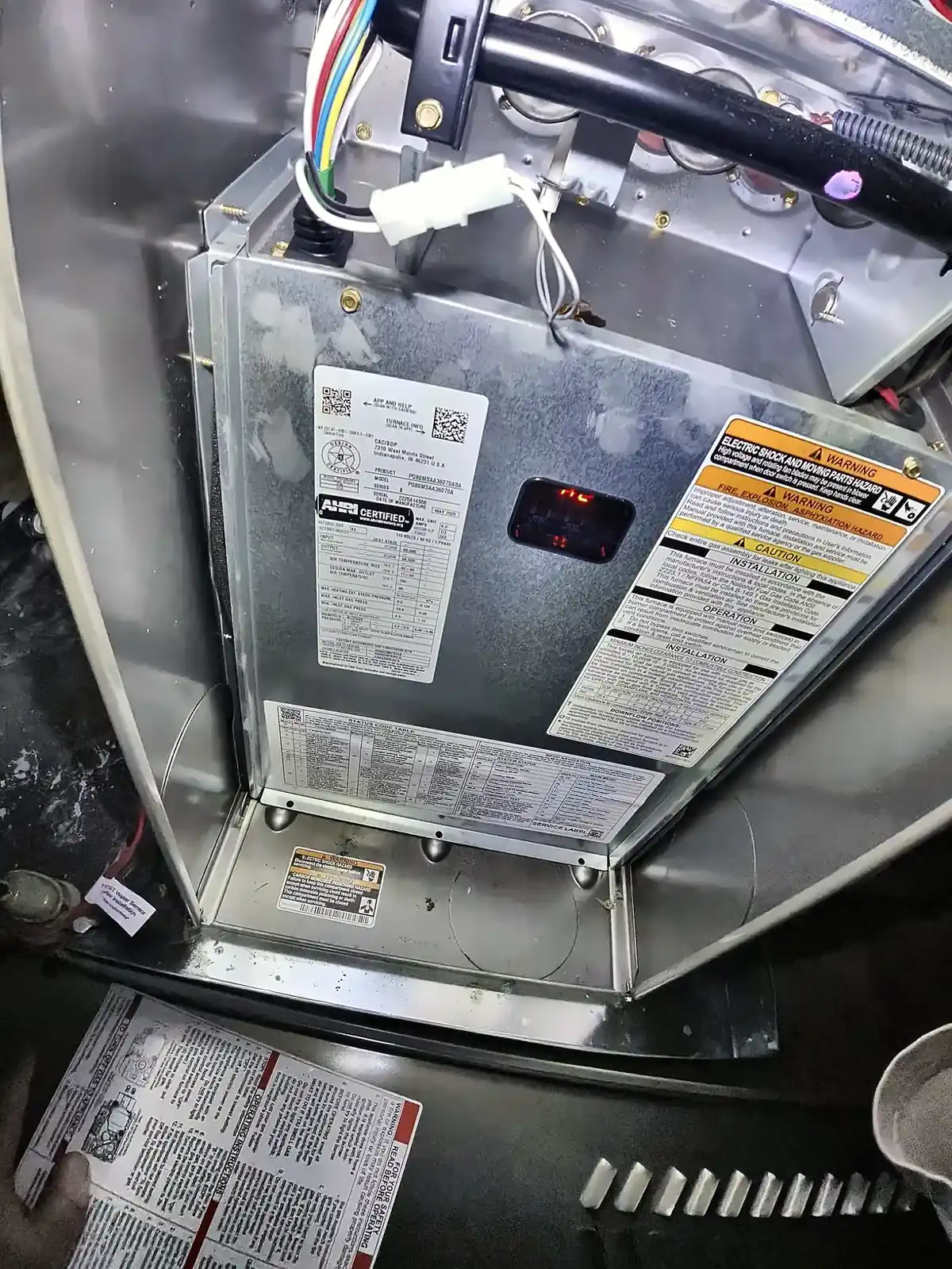
Most short-cycling comes down to a handful of things. A dirty filter is the number one cause I see: the furnace can't move enough air, it overheats, and a safety switch shuts the burners off to protect it. A dirty flame sensor is another big one, because if the furnace can't confirm the flame, it shuts the gas off a few seconds after lighting. Overheating from closed or blocked vents can do the same thing. And sometimes the furnace is fine and the thermostat is the problem, because it's mounted in a spot that warms up fast and tells the furnace to quit early.
- A clogged filter that chokes airflow
- A dirty flame sensor that can't confirm the flame
- Overheating from closed or blocked supply vents and returns
- A thermostat in a sunny, drafty or too-warm spot
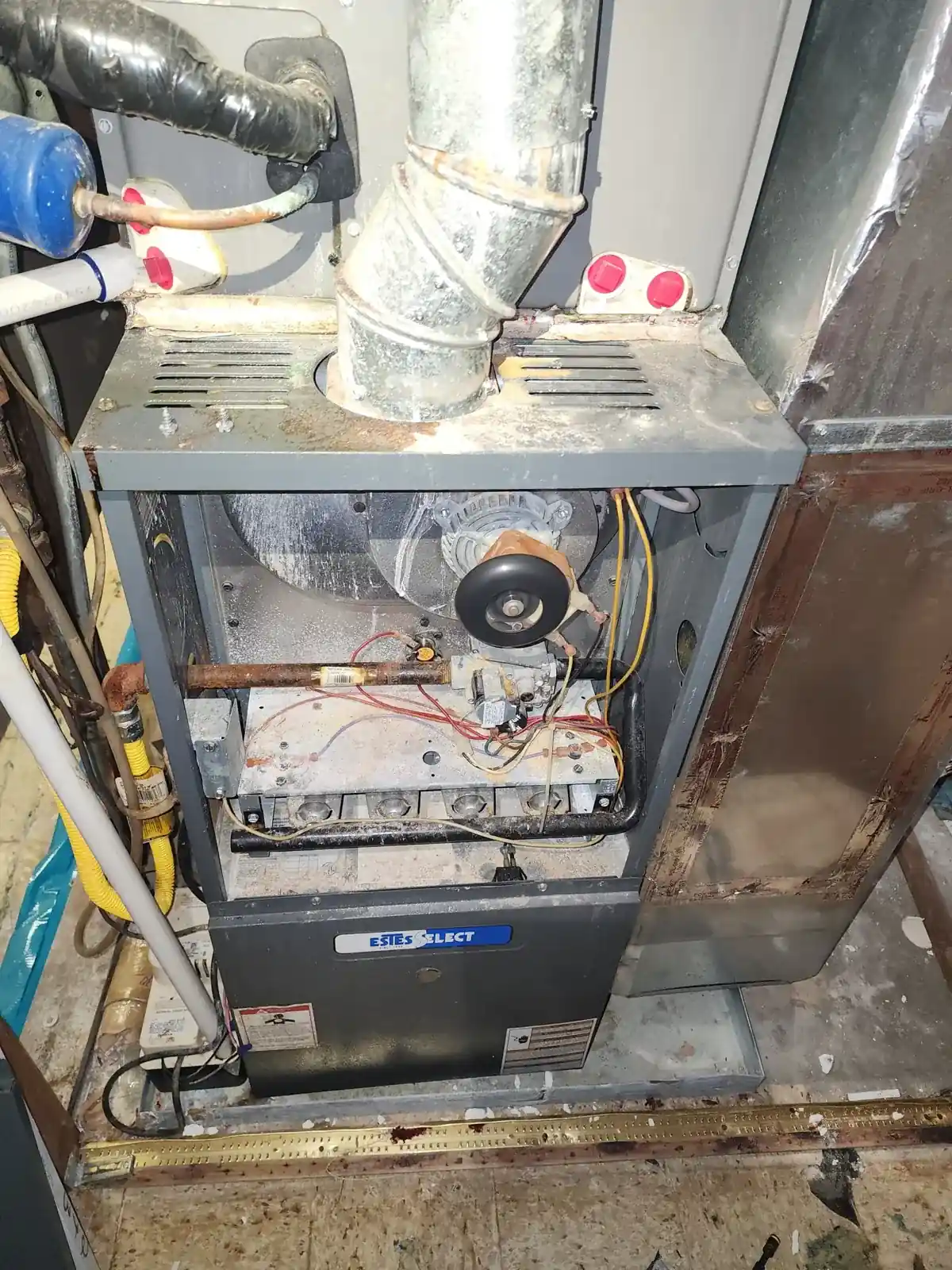
Start with the easy ones. Pull the filter and hold it up to a light; if you can't see through it, replace it, with the arrow pointing toward the furnace. Walk the house and make sure supply vents are open and the return grilles aren't blocked by furniture or rugs. Cleaning the flame sensor means opening up the burner area next to the gas valve, so leave that one to a pro.
Check where the thermostat lives
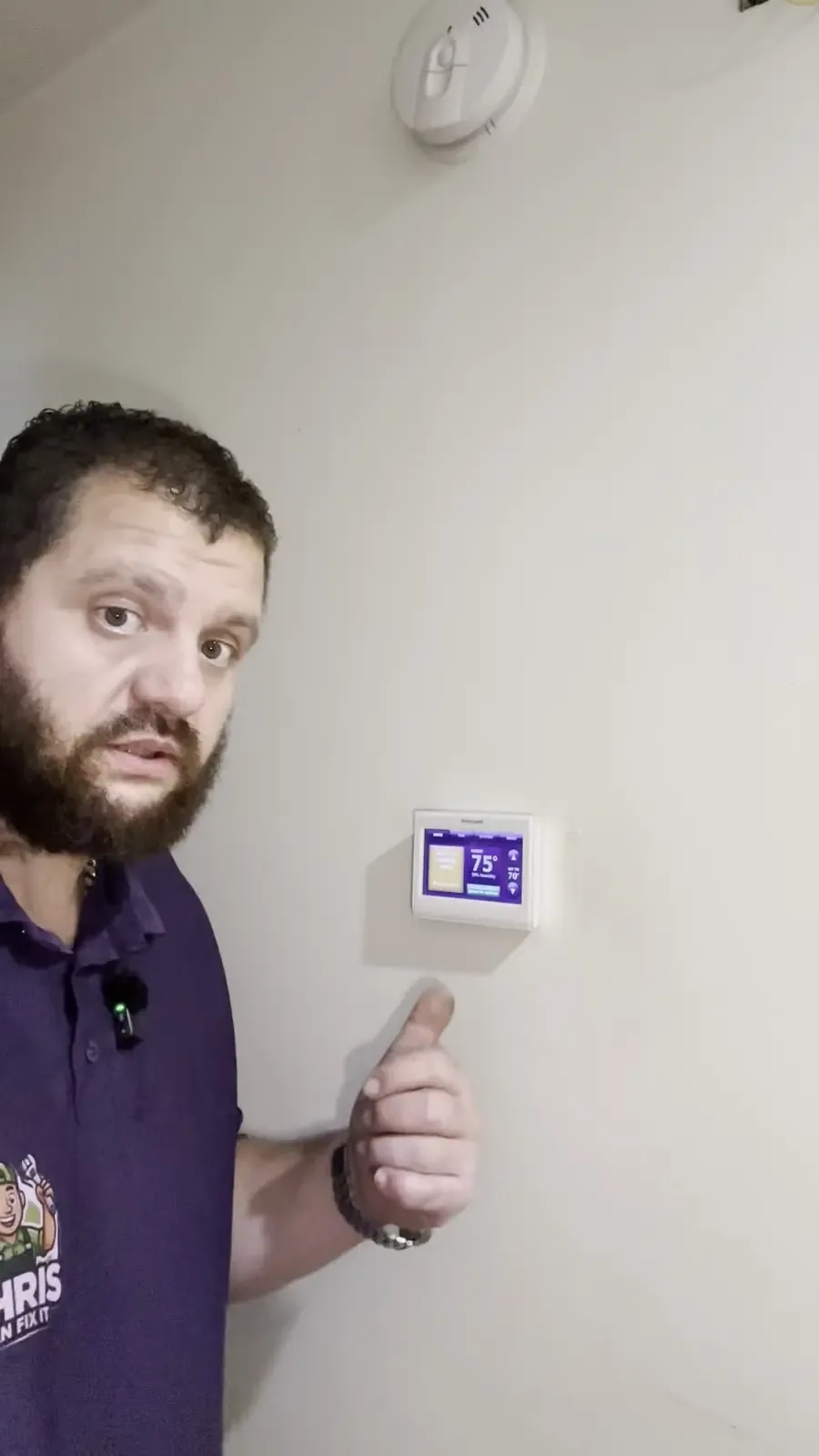
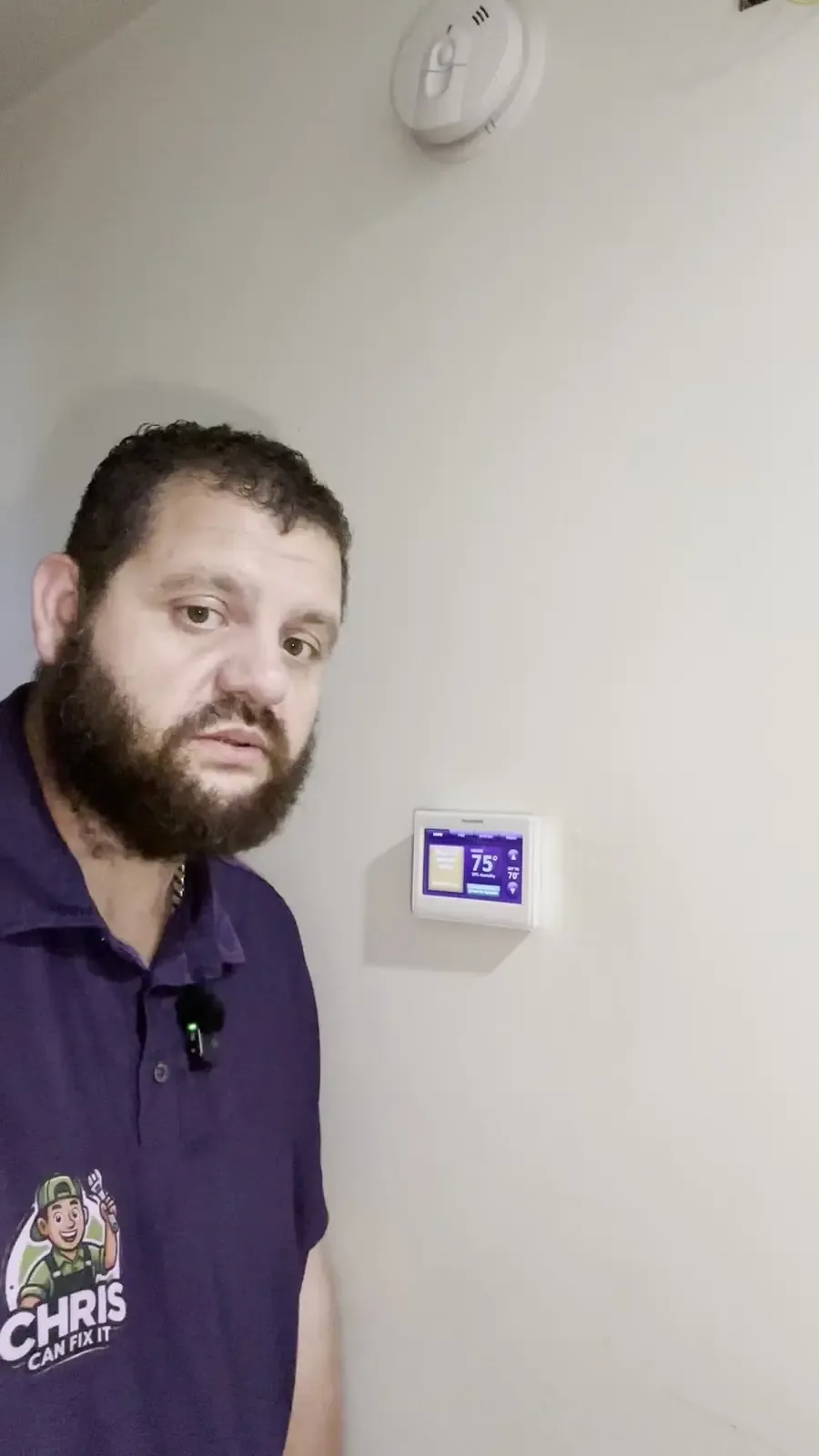
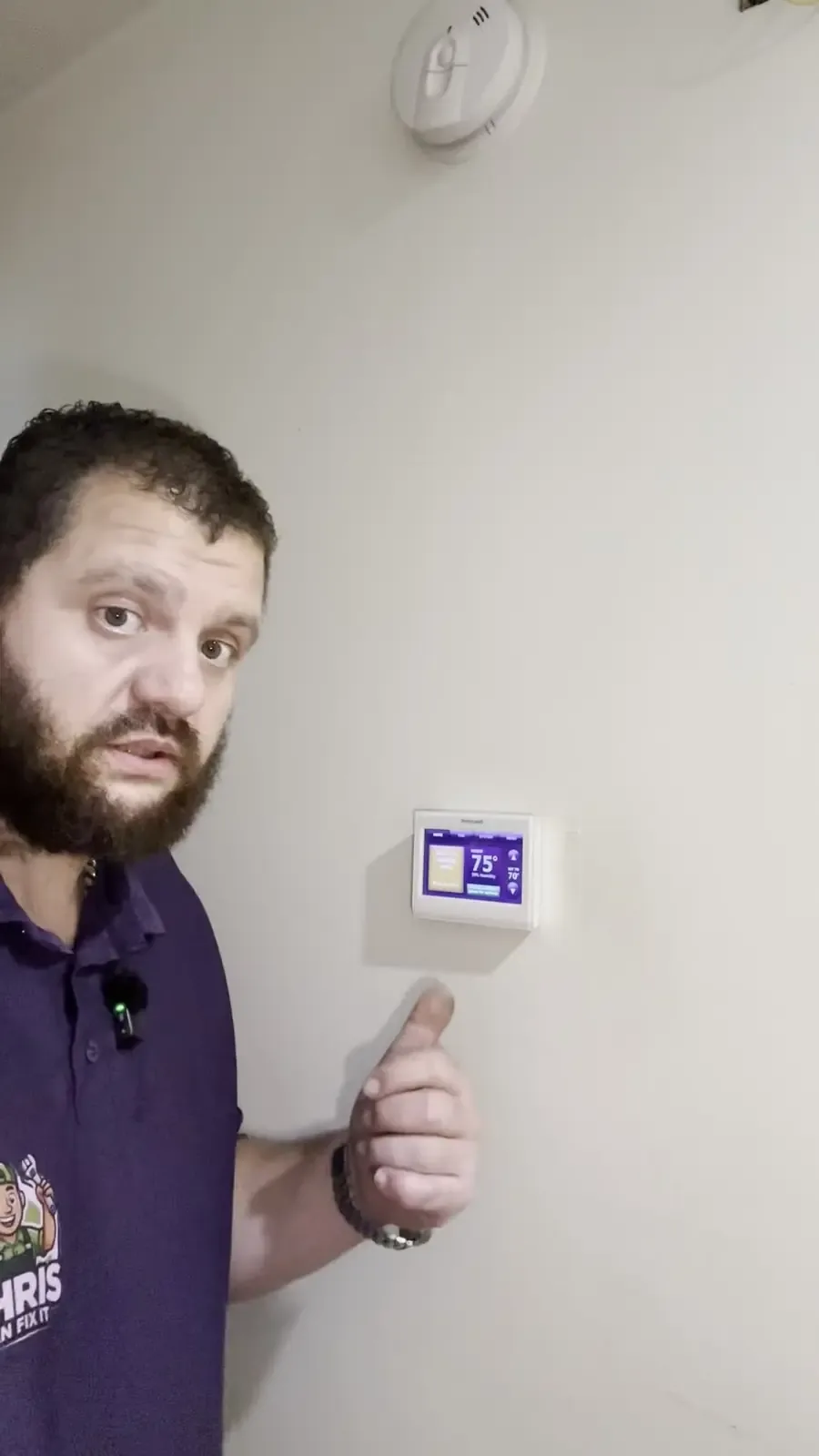
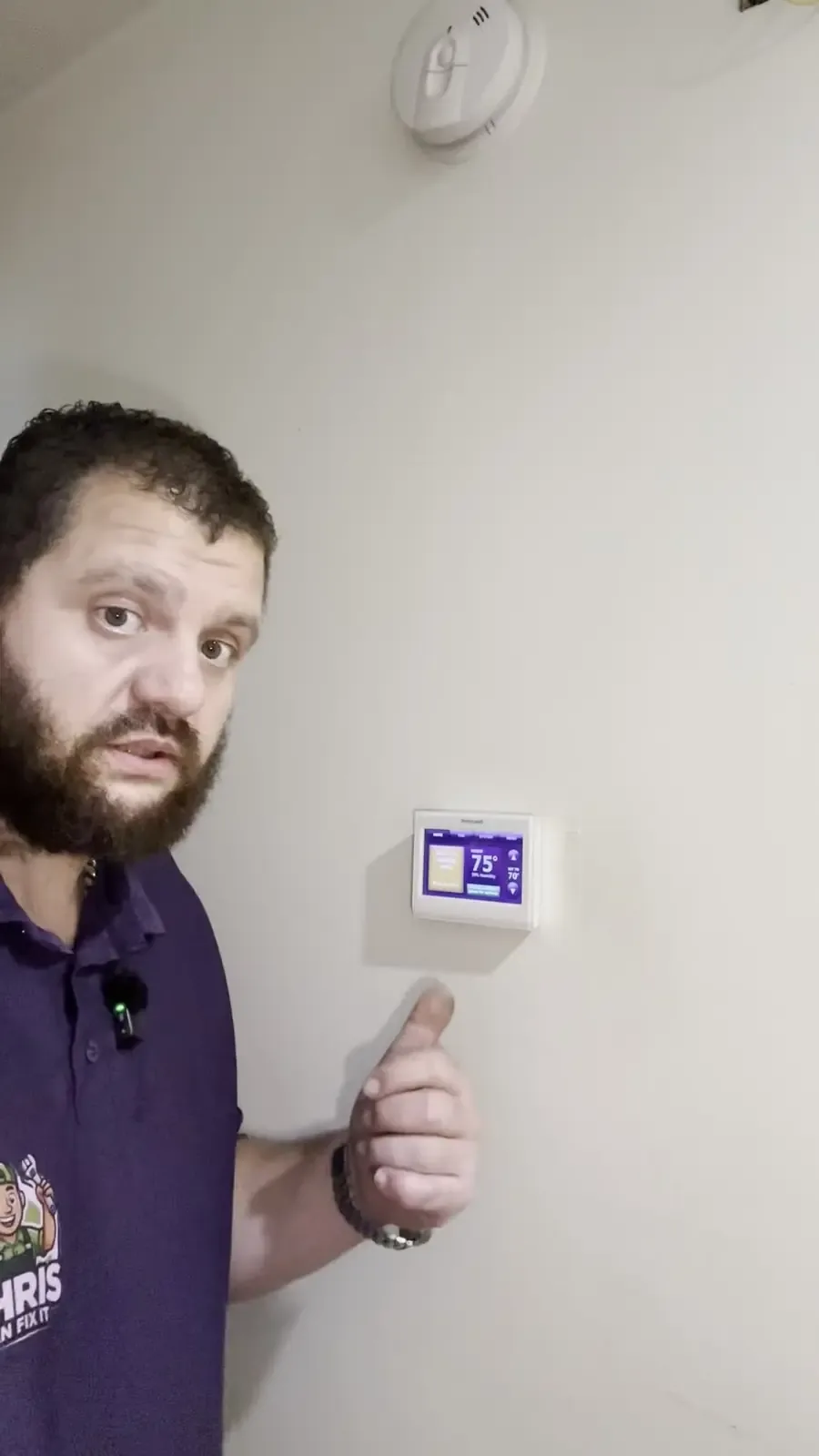
A thermostat should read the temperature of the room you actually live in. If it sits in direct afternoon sun, right above a supply vent, next to a lamp or a TV, or on a wall near the kitchen, it can warm up faster than the rest of the house. It hits the set temperature, shuts the furnace off, cools back down, and calls again a few minutes later.
Look at what's around the thermostat. Move lamps and electronics away from it, and close a blind if the sun hits it in the afternoon. If it's battery powered, put in fresh batteries this fall. If the furnace keeps shutting down, or it goes into a lockout with a blinking light, don't keep resetting it. Repeated lockouts are the furnace telling you something needs a closer look. I can come out for a $79 diagnostic and tell you exactly what's going on before any work starts.