Chris Can Fix It logo
← Around the House
Tech notes for the home

Holiday Lights: Cord and Outlet Checks Before You Hang Them

· 3 stories · By Chris

The boxes of holiday lights come out every year, and a lot of people plug them in without a second look. Old cords, indoor strings hung outside, and overloaded outlets start more holiday electrical problems than most folks expect. A five-minute check before anything goes on the tree or the roof is the habit I stick with.

Check every cord before it leaves the box
Check every cord before it leaves the box
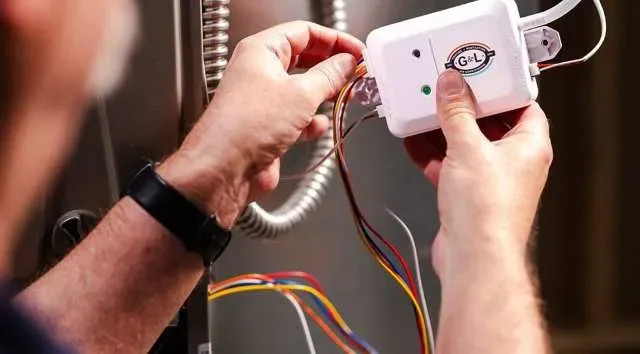
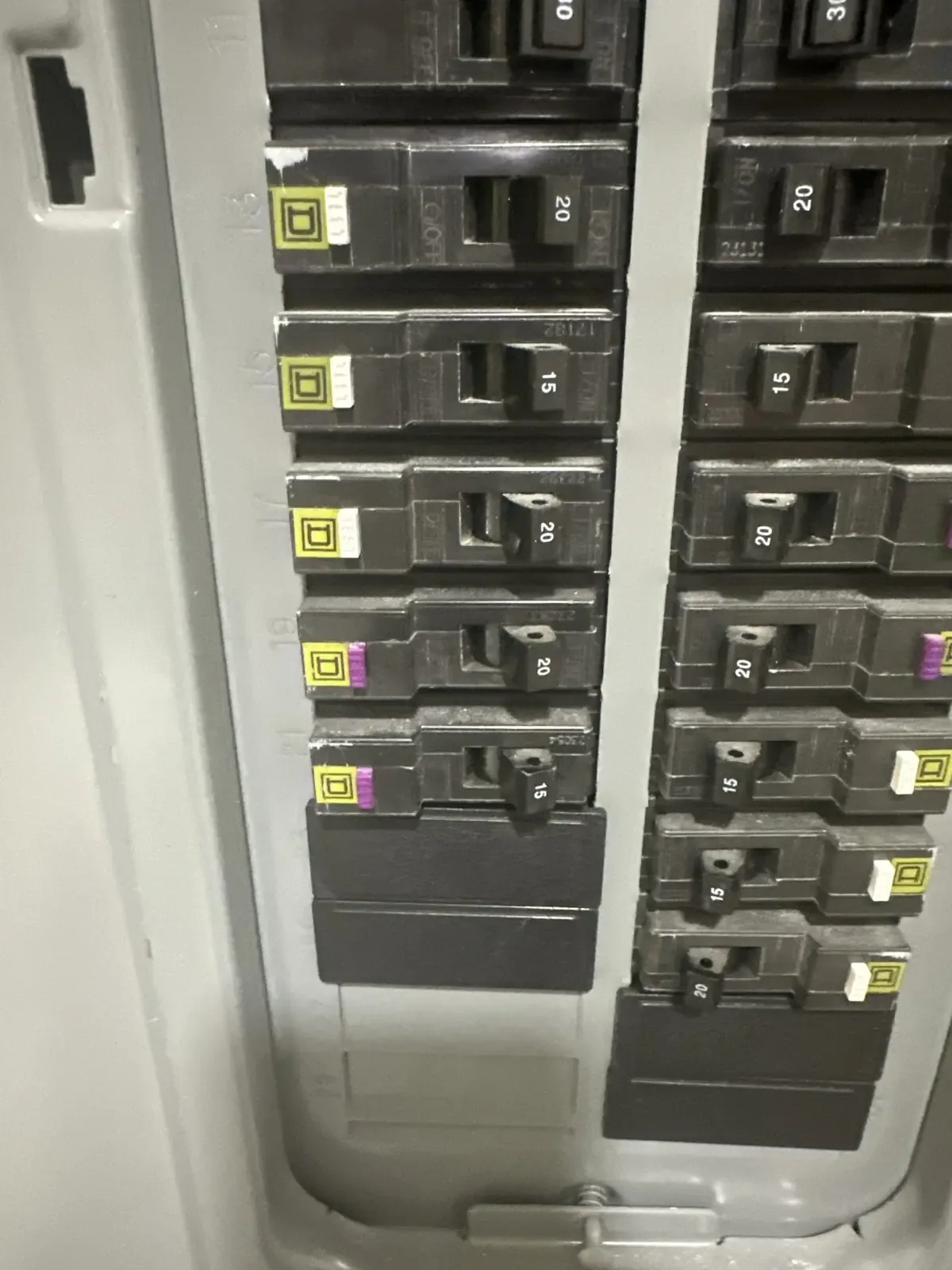
Image: Chris Can Fix It, electrical gear I work around on service calls — never open a panel yourself

Pull each light string and extension cord out and look at the whole length. Frayed insulation, bare wire, cracked sockets, melted plastic or loose plugs mean that set is done. Throw it out. Don't tape over damaged wire and don't try to "fix" a cut with electrical tape for the season. The U.S. Consumer Product Safety Commission says to check every set, new or old, for broken or cracked sockets, frayed or bare wires, or loose connections, and to toss damaged sets.

Same rule for extension cords. Cuts, pinches and fraying are a hard no. Cords that get walked on, pinched in a door or window, or buried under a rug wear out faster than people think.

Home tip

Test each string on the ground before you climb a ladder. If a section is dark or a plug feels warm after a minute, that string stays in the trash pile.

Source: U.S. Consumer Product Safety Commission

Outdoor lights need outdoor-rated gear

Outdoor lights need outdoor-rated gear
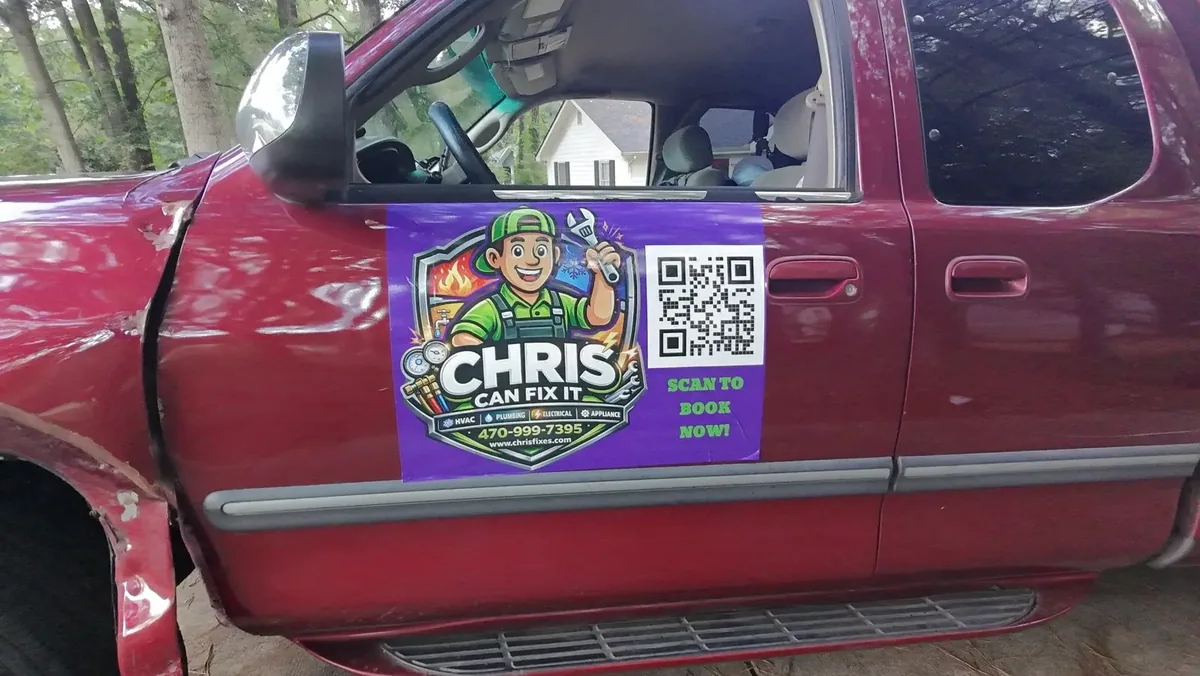
Image: Chris Can Fix It, me with the work truck on the way to a call

Indoor light strings and indoor extension cords do not belong outside. Look for the "outdoor" marking on the package or the cord itself. Outdoor lights should plug into a GFCI-protected outlet, or into a portable outdoor GFCI if the receptacle isn't protected. The Electrical Safety Foundation International also warns against overloading outlets with too many decorations, because overloaded outlets can overheat and start a fire.

Don't daisy-chain a big stack of old incandescent strings. Keep outdoor cords out of standing water and snow, and turn decorations off when you leave the house or go to bed.

Home tip

Plan the plug layout before you hang anything. Fewer cords into one outlet is safer than stuffing every outlet on the porch full.

Source: Electrical Safety Foundation International

When outlets and breakers say stop

When outlets and breakers say stop
Image: Chris Can Fix It, the Chris Can Fix It truck decal

Warm outlets, a burning smell at a plug, flickering lights when decorations turn on, or a breaker that keeps tripping are stop signs. Unplug the decorations and leave that circuit alone. Never open an electrical panel yourself to chase a holiday-lighting problem. That is a job for a qualified electrician.

If outlets around the house feel hot, or breakers trip with nothing plugged in that should trip them, call a qualified electrician. Holiday lights are not worth a fire or a shock.

Home tip

Need help sorting out an outlet, breaker or appliance that keeps acting up with the decorations? Call me at (470) 999-7395. A $79 diagnostic is how I figure out what's going on.
More from Around the House

Nov 5, 2026

Tech Brief: HVAC Policy After Midterms, a New OLED iPad mini, Drone Rules and Safer Logins

Nov 5, 2026

GFCI Outlets: The Monthly Test That Takes 10 Seconds

Nov 5, 2026

Running Toilet? The Flapper Test I Use First

Nov 4, 2026

Tech Brief: An Urgent Android Fix, Pixel Watch Battery Help, HVAC Prices and AI at School

Nov 4, 2026

Washer Hoses: A 5-Minute Check Before One Bursts

Nov 4, 2026

Clean Your Range Hood Filters Before Holiday Cooking

Nov 4, 2026

Holiday Grease and Your Kitchen Drains: What I Do Instead

Nov 3, 2026

Tech Brief: Hacked Store Freezers, Pricier Macs, a Watch That Rewinds and Smarter Heat Pumps

Nov 3, 2026

Dry Winter Air: How to Add Humidity Without Causing Mold

Nov 3, 2026

Drafty Doors? How I Check Weatherstripping and Door Sweeps

Nov 3, 2026

Flip Your Ceiling Fan for Winter: Which Way It Should Spin

Nov 2, 2026

Tech Brief: Locking Down Your Accounts, New Refrigerants, a Touchscreen Mac and a Drone Weight Gotcha

Nov 2, 2026

Clocks Fell Back: Time for a Quick Smoke Alarm Check

Nov 2, 2026

Space Heater Safety: The Rules I Follow Every Winter

Nov 2, 2026

Emergency Heat: What the EM HEAT Setting Really Means

Nov 1, 2026

Tech Brief: Furnaces as Backup Heat, a Drone Update Gotcha, Sleep Checks and a New Phone

Oct 31, 2026

Tech Brief: Remote HVAC Monitoring, Hacked Freezers, Halloween Drones and New Gadgets

Oct 31, 2026

Furnace Filters 101: Size, Timing and Which Way It Goes

Oct 31, 2026

Frozen Pipes: How to Prevent Them and What to Do If One Freezes

Oct 31, 2026

Heat Pump in Winter: What's Normal and What Isn't

Oct 30, 2026

Tech Brief: Home Heating Trends, Drones, Sleep Tech and a Crypto Scam Warning

Oct 30, 2026

Carbon Monoxide: The Silent Winter Risk

Oct 30, 2026

Why Does My Furnace Smell Like Burning?

Oct 30, 2026

Furnace Short-Cycling? What It Means and What to Check

Oct 29, 2026

Fall Furnace Tune-Up: What a Pro Actually Checks

Oct 29, 2026

No Heat? 5 Things to Check Before You Call

Oct 29, 2026

Why Dryer Fires Peak in Winter, and the Laundry Room Checks I'd Do This Weekend

Oct 27, 2026

Apple's New Thermostats, Refrigerant Top-Offs, and My Furnace Checks Before the First Cold Night

Oct 26, 2026

Get the Paperwork on a New HVAC Install, Plus a Family Rule for Scam Calls

Oct 25, 2026

Humidity, Mold and Your AC Drain: What a New Bill Says About Healthy Air

Oct 24, 2026

A Two-Minute Google Ad Check, a Smart Drone-Gift Tip, and Why Updates Reset Your Settings

All posts →

Call (470) 999-7395Text