Chris Can Fix It logo
← Around the House
Tech notes for the home

Washer Hoses: A 5-Minute Check Before One Bursts

· 3 stories · By Chris

The two hoses behind your washing machine are under water pressure all day, every day, even when the washer is off. Most people never look at them until one lets go. A burst washer hose can dump a huge amount of water in a short time, and it often happens when nobody's home. With holiday travel coming up, this is a good week for a five-minute check.

Why washer hoses fail
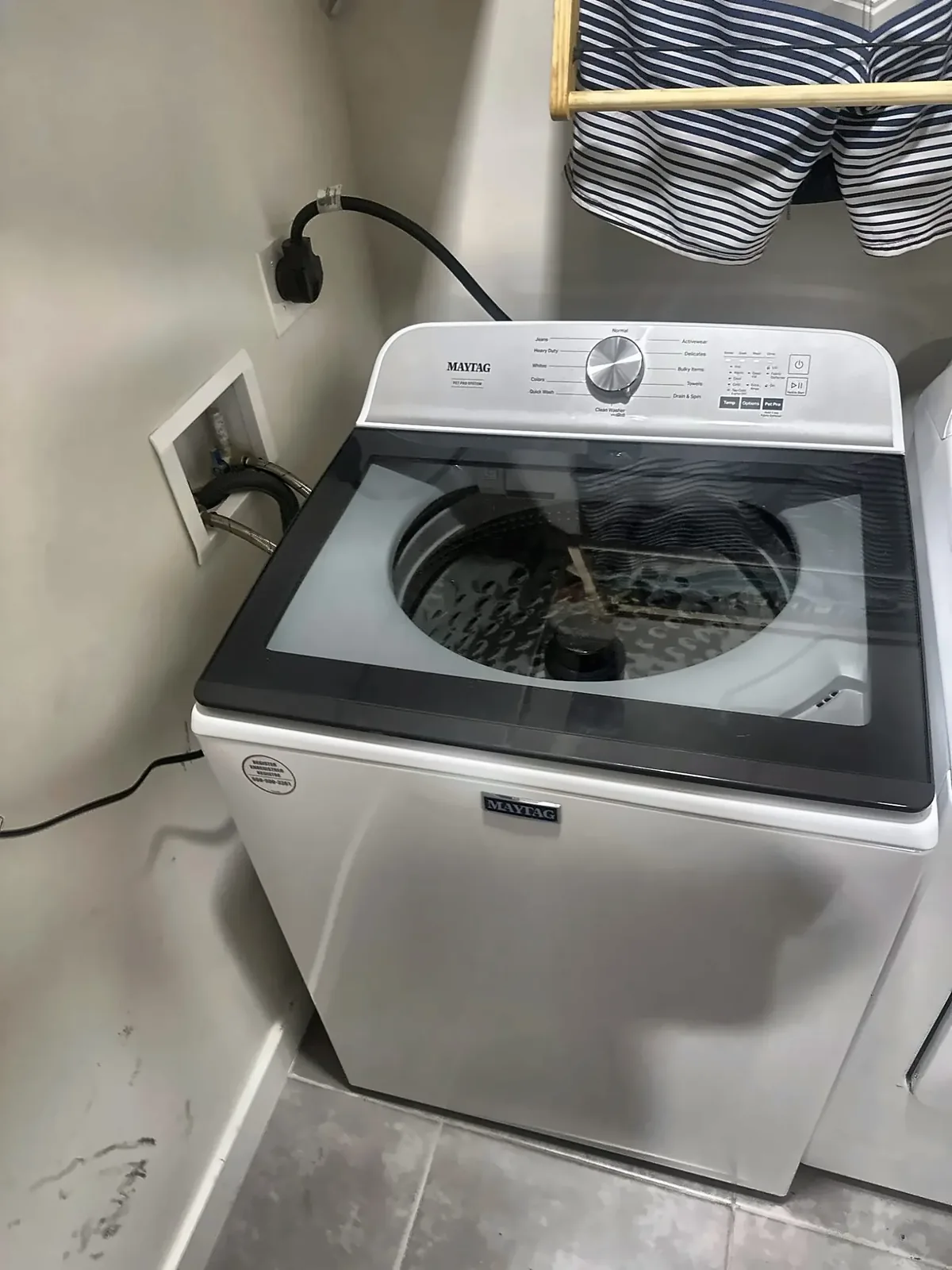
Why washer hoses fail
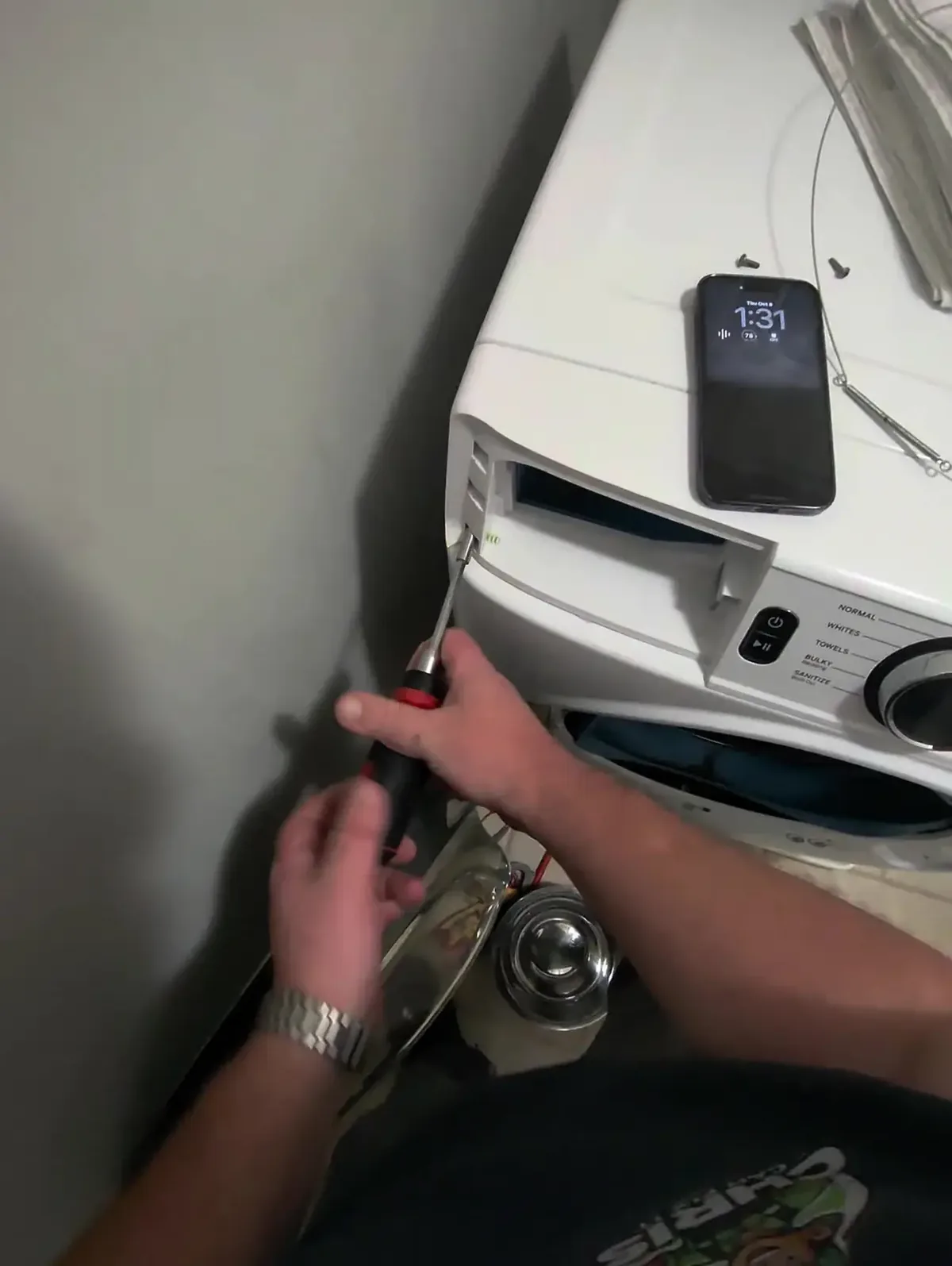
Image: Chris Can Fix It, a washer I worked on, with the supply hoses at the wall box

The hot and cold supply hoses connect your washer to the valves on the wall. Rubber hoses get brittle with age. The inside can crack or swell long before you'd ever notice from the outside. A hose that's kinked because the washer is pushed tight to the wall wears out even faster.

Insurance company guidance from AIG calls a burst washer hose one of the most common causes of major water damage in homes, and says an unattended burst hose can leak hundreds of gallons an hour.

Home tip

Leave a few inches of space between the back of the washer and the wall so the hoses don't kink. If you just bought a washer, check that it was set up that way.

Source: AIG washing machine water damage guide

What I look for on the hoses

What I look for on the hoses
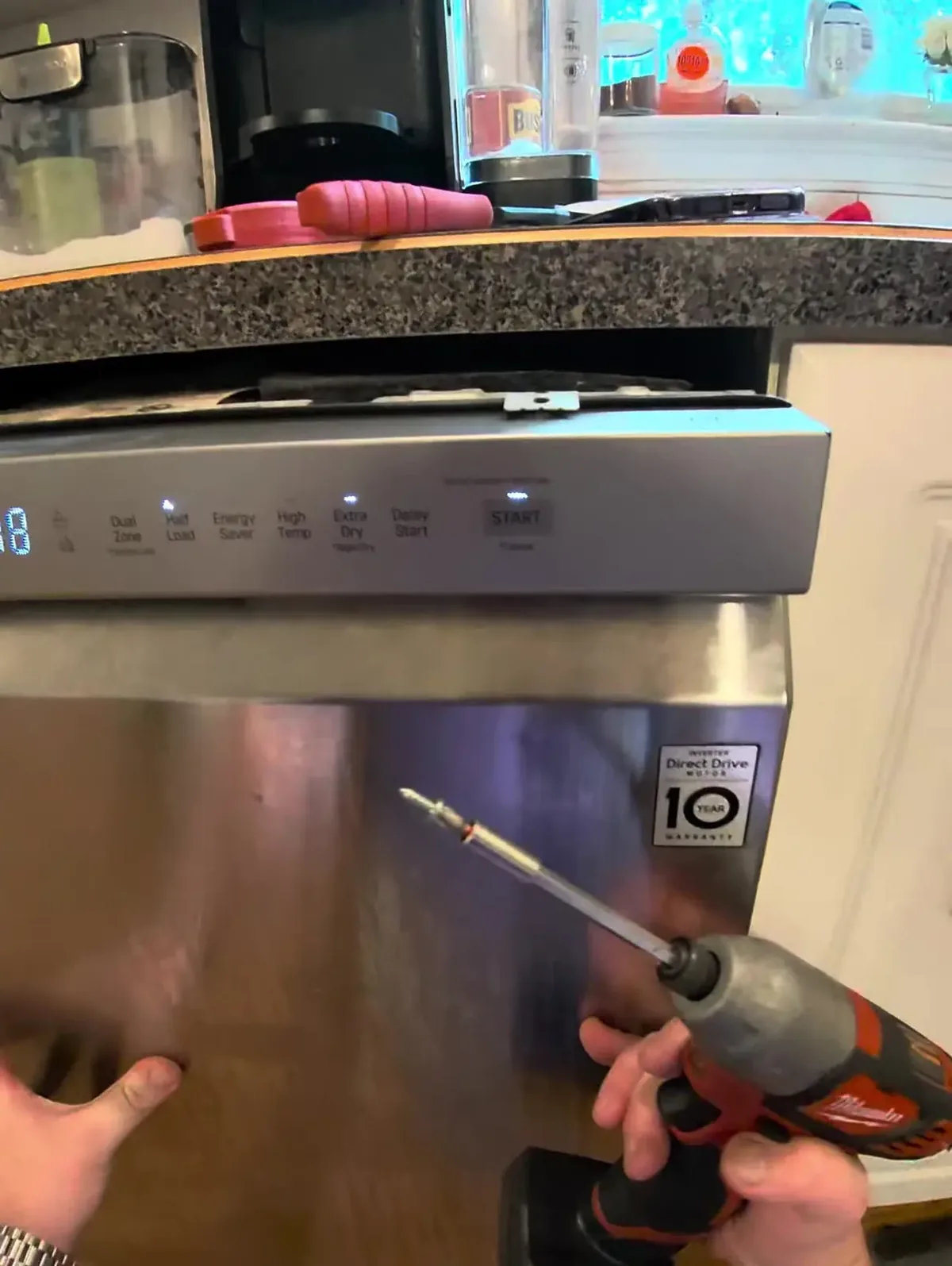
Image: Chris Can Fix It, me working on a washer in a customer's laundry room

Pull the washer out a little so you can see the hoses clearly, and use a flashlight. Here's what tells me a hose needs replacing:

  • Bulges, blisters or soft spots anywhere along the hose
  • Cracks in the rubber, or fraying on a braided hose
  • Rust, corrosion or white crusty buildup at the fittings
  • Any dampness or drips around the connections
  • Hoses that are about five years old or more, even if they look fine

When it's time, braided stainless steel hoses hold up much better than plain rubber ones. Swapping them is a pretty simple job: turn both wall valves off, keep a bucket and towel handy, hand-tighten the new hoses and then snug them up a little more without cranking down hard. Turn the water back on slowly and check for drips.

Home tip

Write the date on a piece of tape and stick it on the new hoses. Next time, you won't have to guess how old they are.

Source: The Spruce

Before a trip, and if a hose bursts
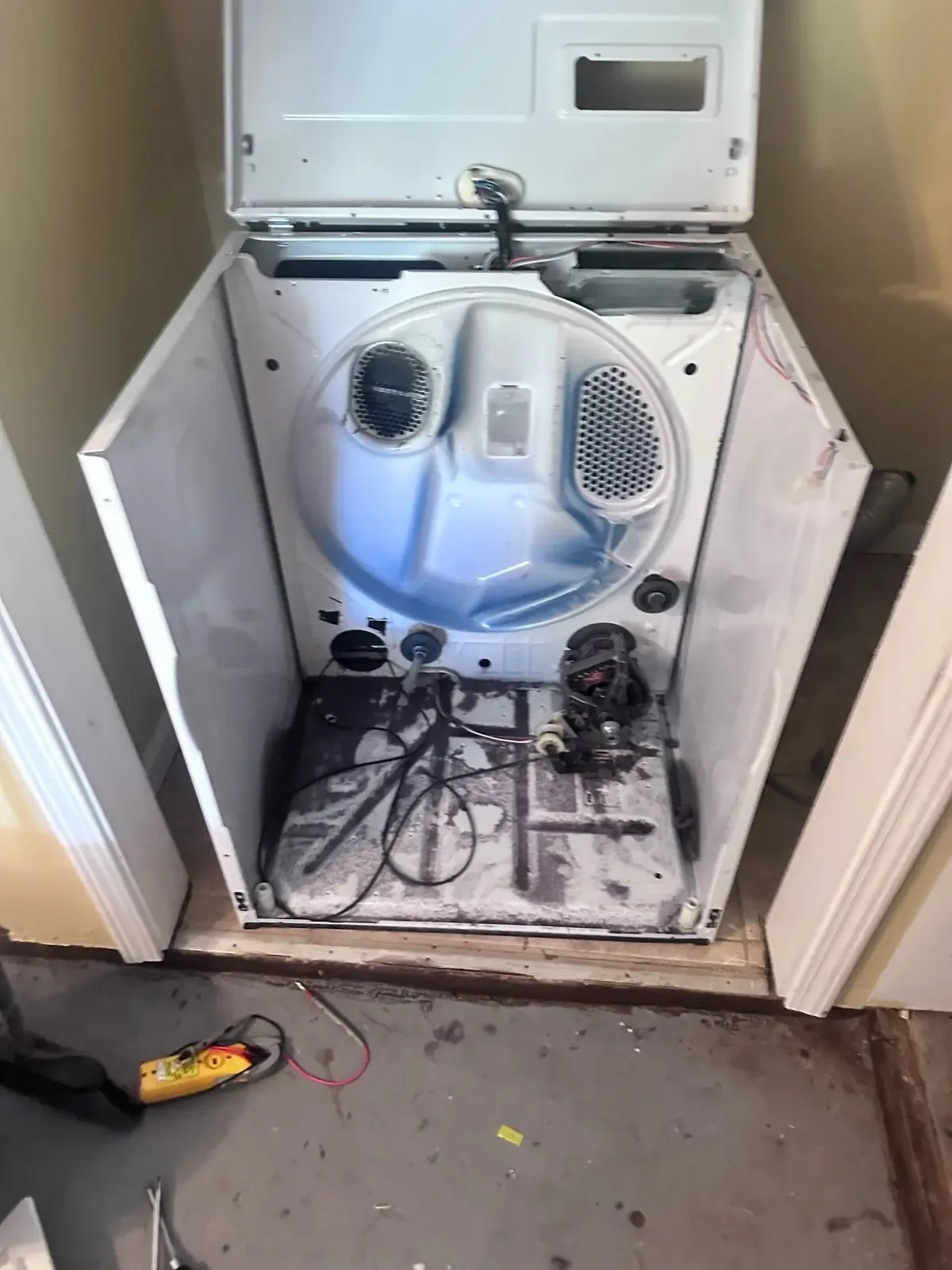
Before a trip, and if a hose bursts
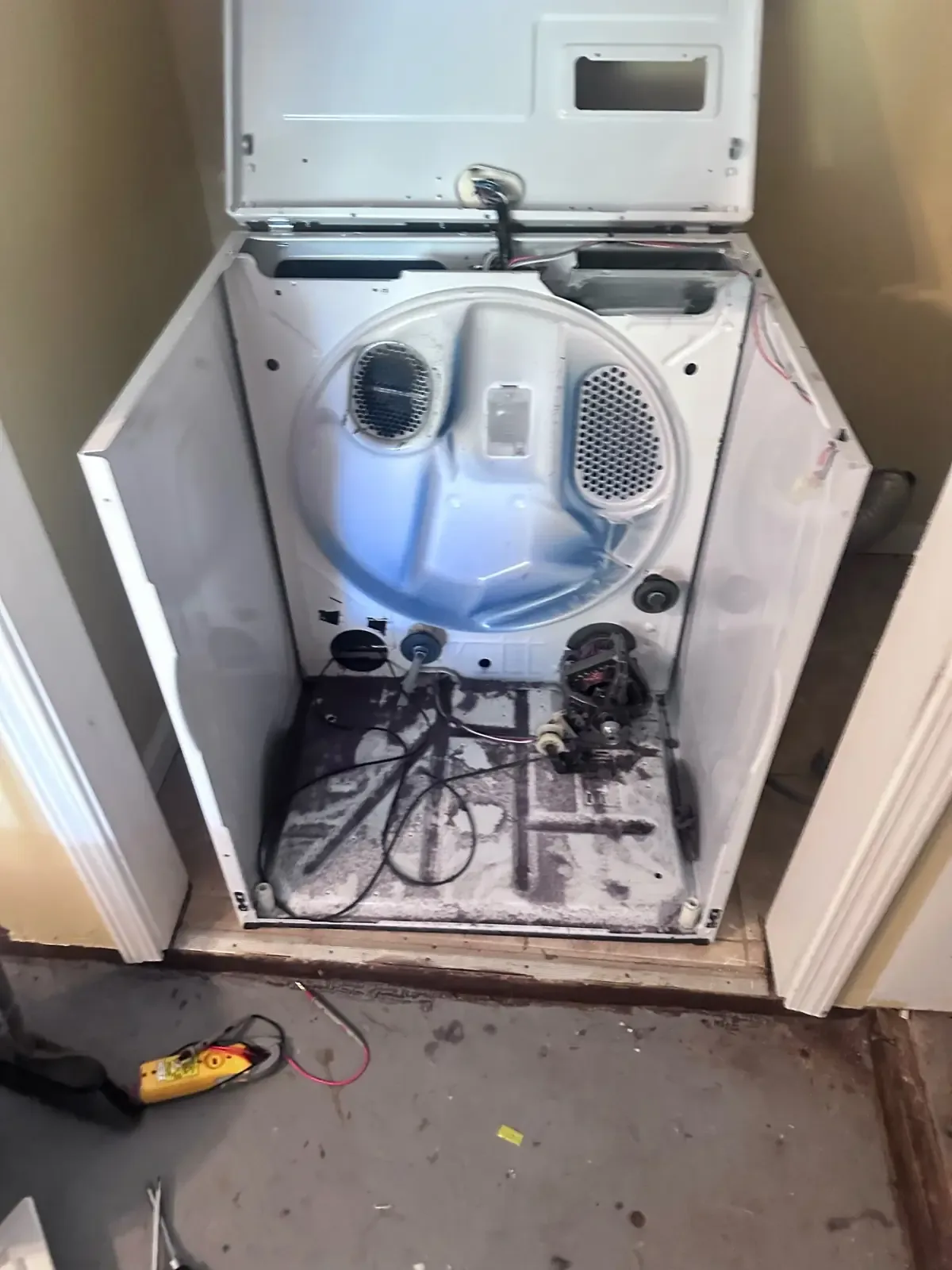
Image: Chris Can Fix It, a laundry appliance repair

If you'll be gone for more than a day or two over the holidays, turn the two washer valves off before you leave. With the valves closed, the hoses aren't holding pressure while nobody's around.

If a hose does burst, turn off the valves behind the washer right away. If they're stuck or you can't reach them safely, shut off the main water to the house. Unplug the washer before you go near standing water around it, and if the water is near outlets or anything electrical, stay out of it and call for help.

Home tip

If your washer is leaking, won't fill, or won't drain, give me a call at (470) 999-7395. A $79 diagnostic is how I figure out whether it's a hose, a valve or the machine itself.

More from Around the House

Nov 4, 2026

Tech Brief: An Urgent Android Fix, Pixel Watch Battery Help, HVAC Prices and AI at School

Nov 4, 2026

Clean Your Range Hood Filters Before Holiday Cooking

Nov 4, 2026

Holiday Grease and Your Kitchen Drains: What I Do Instead

Nov 3, 2026

Tech Brief: Hacked Store Freezers, Pricier Macs, a Watch That Rewinds and Smarter Heat Pumps

Nov 3, 2026

Dry Winter Air: How to Add Humidity Without Causing Mold

Nov 3, 2026

Drafty Doors? How I Check Weatherstripping and Door Sweeps

Nov 3, 2026

Flip Your Ceiling Fan for Winter: Which Way It Should Spin

Nov 2, 2026

Tech Brief: Locking Down Your Accounts, New Refrigerants, a Touchscreen Mac and a Drone Weight Gotcha

Nov 2, 2026

Clocks Fell Back: Time for a Quick Smoke Alarm Check

Nov 2, 2026

Space Heater Safety: The Rules I Follow Every Winter

Nov 2, 2026

Emergency Heat: What the EM HEAT Setting Really Means

Nov 1, 2026

Tech Brief: Furnaces as Backup Heat, a Drone Update Gotcha, Sleep Checks and a New Phone

Oct 31, 2026

Tech Brief: Remote HVAC Monitoring, Hacked Freezers, Halloween Drones and New Gadgets

Oct 31, 2026

Furnace Filters 101: Size, Timing and Which Way It Goes

Oct 31, 2026

Frozen Pipes: How to Prevent Them and What to Do If One Freezes

Oct 31, 2026

Heat Pump in Winter: What's Normal and What Isn't

Oct 30, 2026

Tech Brief: Home Heating Trends, Drones, Sleep Tech and a Crypto Scam Warning

Oct 30, 2026

Carbon Monoxide: The Silent Winter Risk

Oct 30, 2026

Why Does My Furnace Smell Like Burning?

Oct 30, 2026

Furnace Short-Cycling? What It Means and What to Check

Oct 29, 2026

Fall Furnace Tune-Up: What a Pro Actually Checks

Oct 29, 2026

No Heat? 5 Things to Check Before You Call

Oct 29, 2026

Why Dryer Fires Peak in Winter, and the Laundry Room Checks I'd Do This Weekend

Oct 27, 2026

Apple's New Thermostats, Refrigerant Top-Offs, and My Furnace Checks Before the First Cold Night

Oct 26, 2026

Get the Paperwork on a New HVAC Install, Plus a Family Rule for Scam Calls

Oct 25, 2026

Humidity, Mold and Your AC Drain: What a New Bill Says About Healthy Air

Oct 24, 2026

A Two-Minute Google Ad Check, a Smart Drone-Gift Tip, and Why Updates Reset Your Settings

All posts →

Call (470) 999-7395Text