Apple wants to sell you a thermostat. Make sure it fits your system first
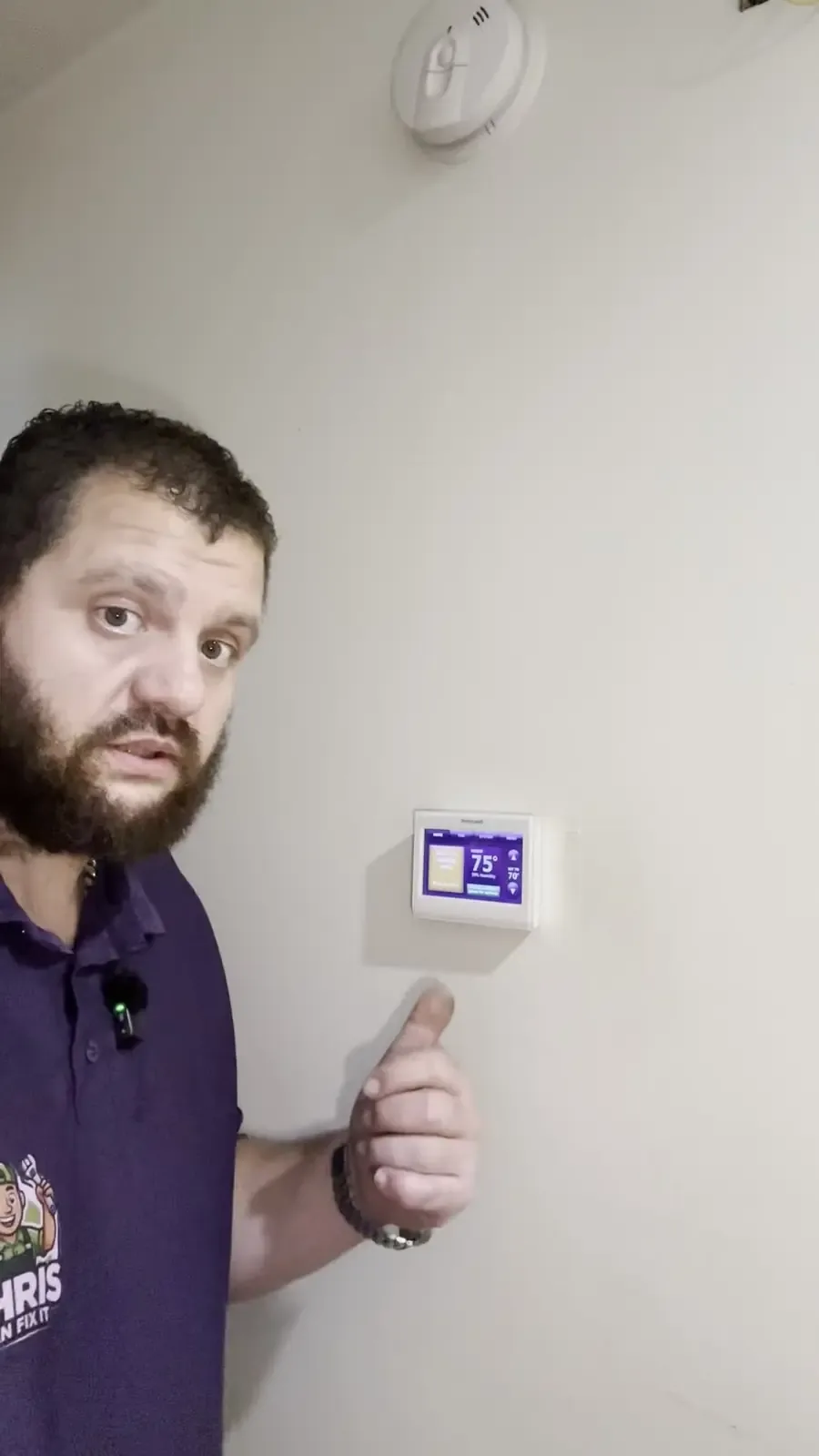
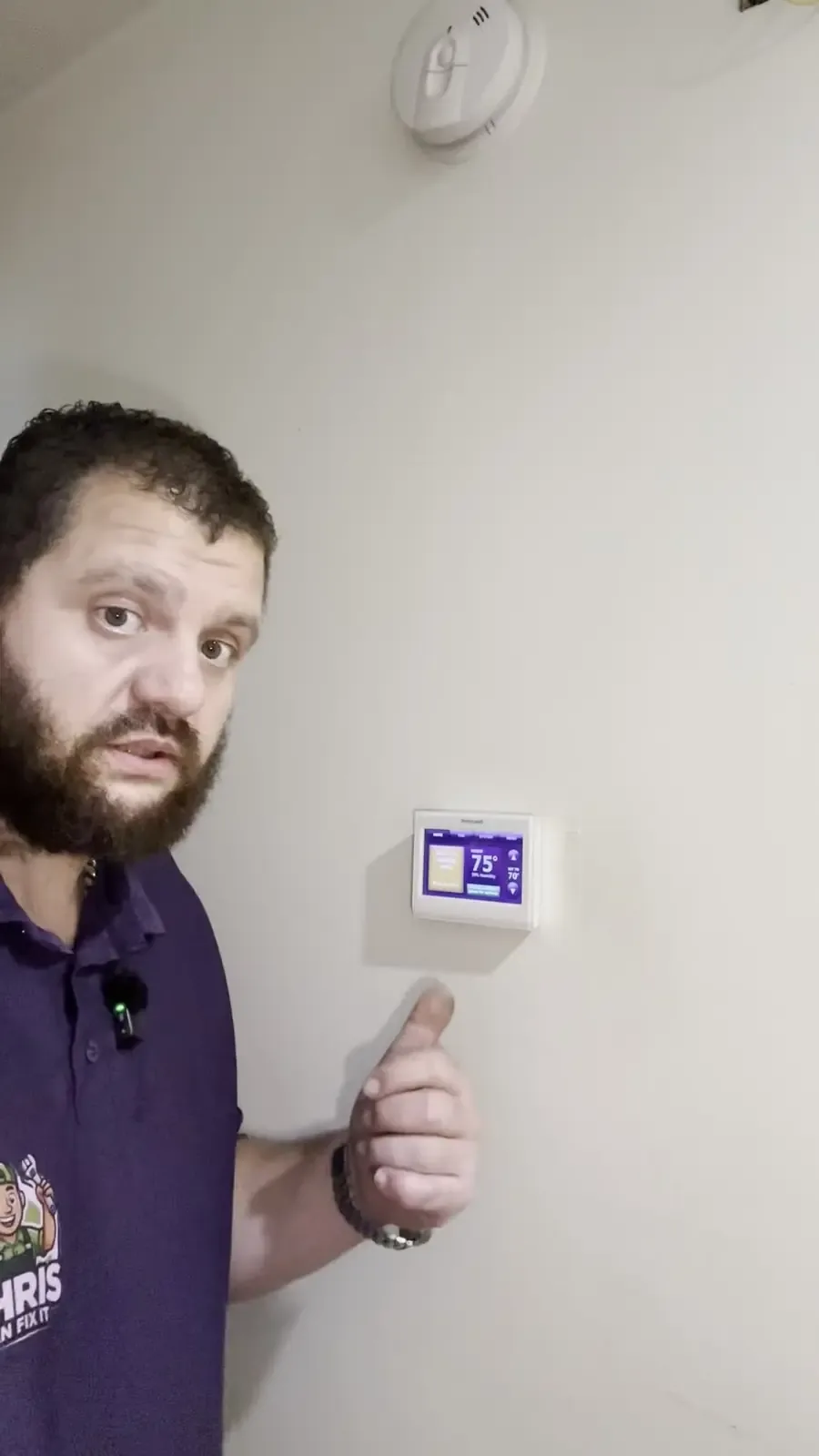
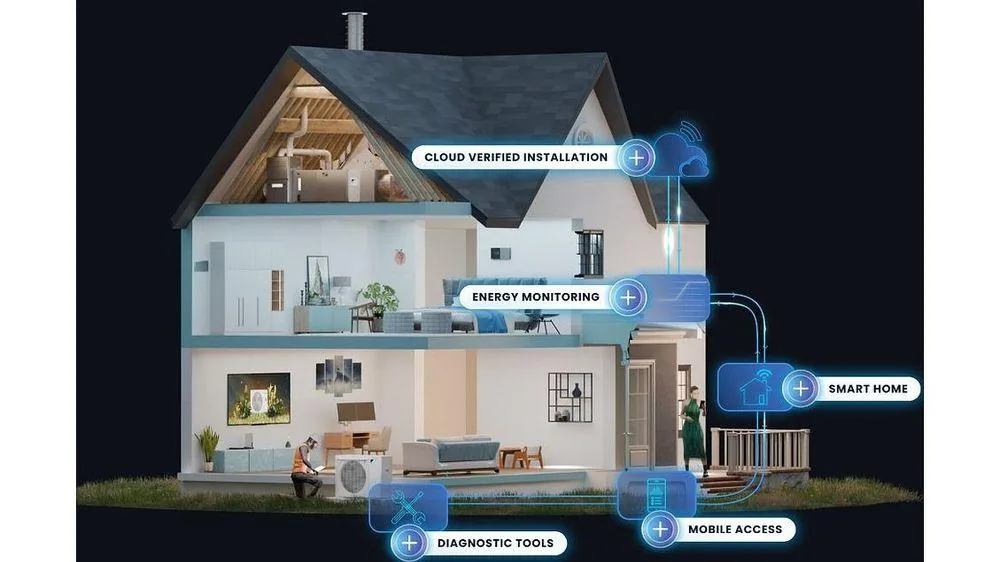
Oct 27 An opinion piece in ACHR News, a trade magazine for heating and cooling pros, looks at Apple's new Home Collection thermostats. They're built by LG and Schneider Electric, set up with a tap of an iPhone, and run from the Apple Home app. Apple plans to sell them directly to homeowners and pitch them as a do-it-yourself install, with the first ones expected in December. The writer's point is that people may start picking a thermostat because it matches their phone, not because it matches their heating and cooling equipment. Some higher-end systems need their own brand's controls to unlock all their features.
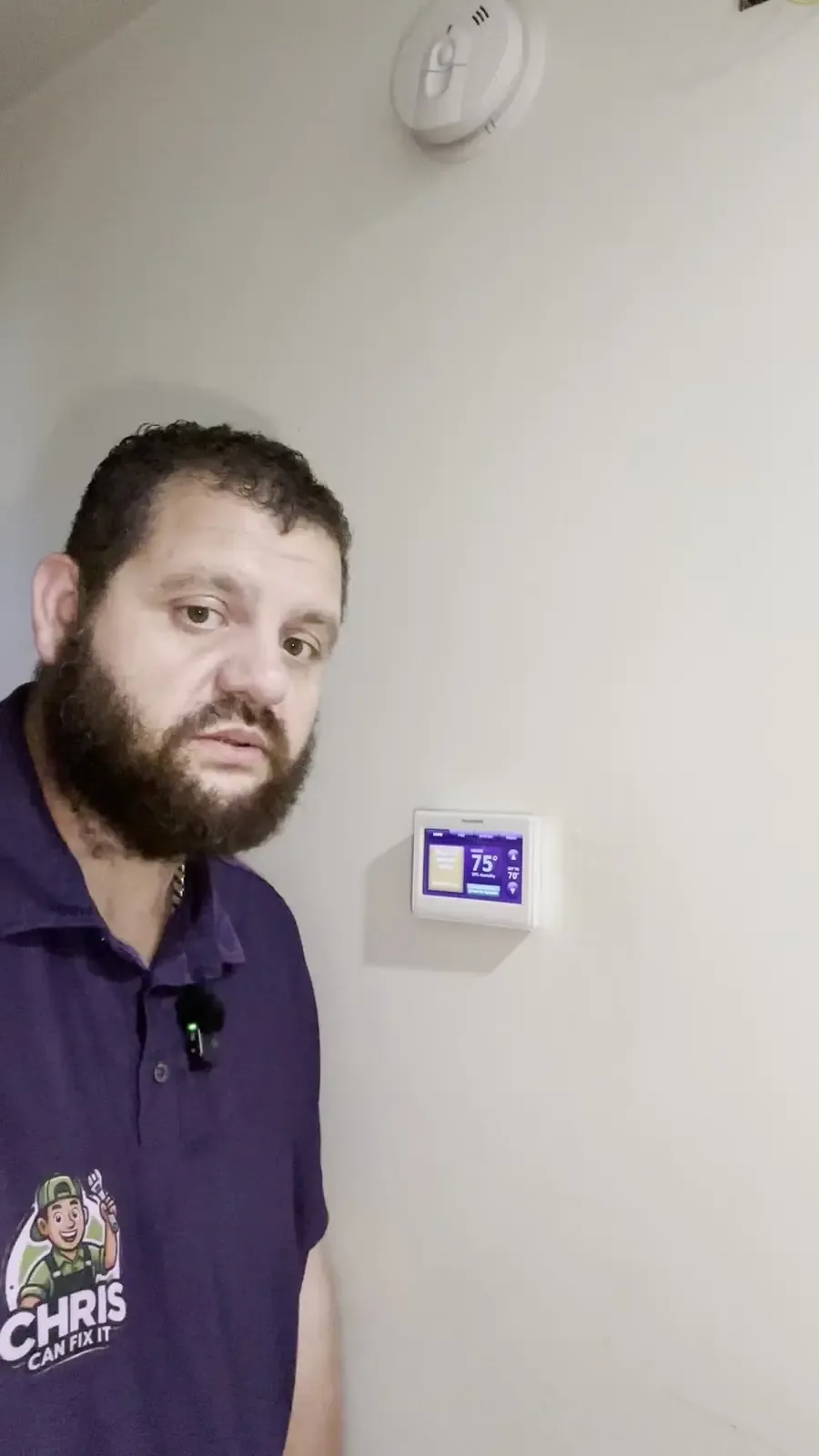
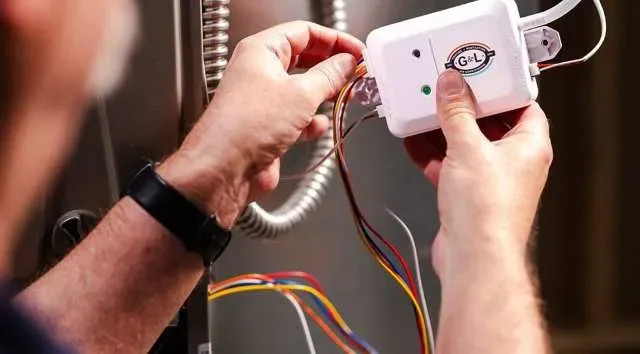
Before you buy any smart thermostat, pull the old one off the wall plate and snap a photo of the wires and the letters they're connected to. Check that the new one supports your setup: a heat pump with backup heat, a furnace with a separate AC, or a system that uses its own brand's communicating controls. If it's a heat pump, make sure the backup or emergency heat setting is wired and working before winter. A thermostat that's wired wrong can leave you with no heat on the coldest night of the year.
Source: ACHR News
New refrigerants aren't a top-off for an older AC
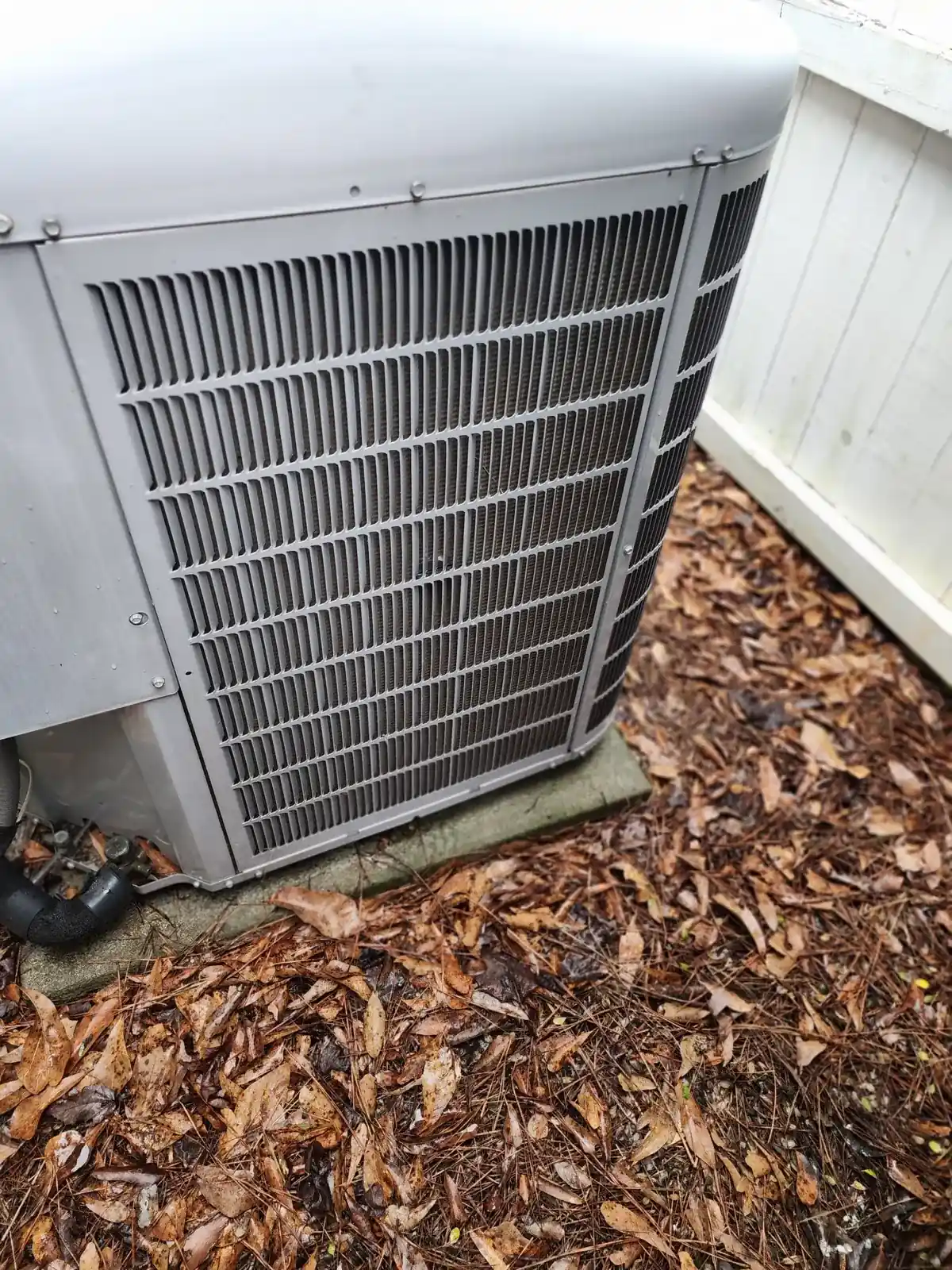
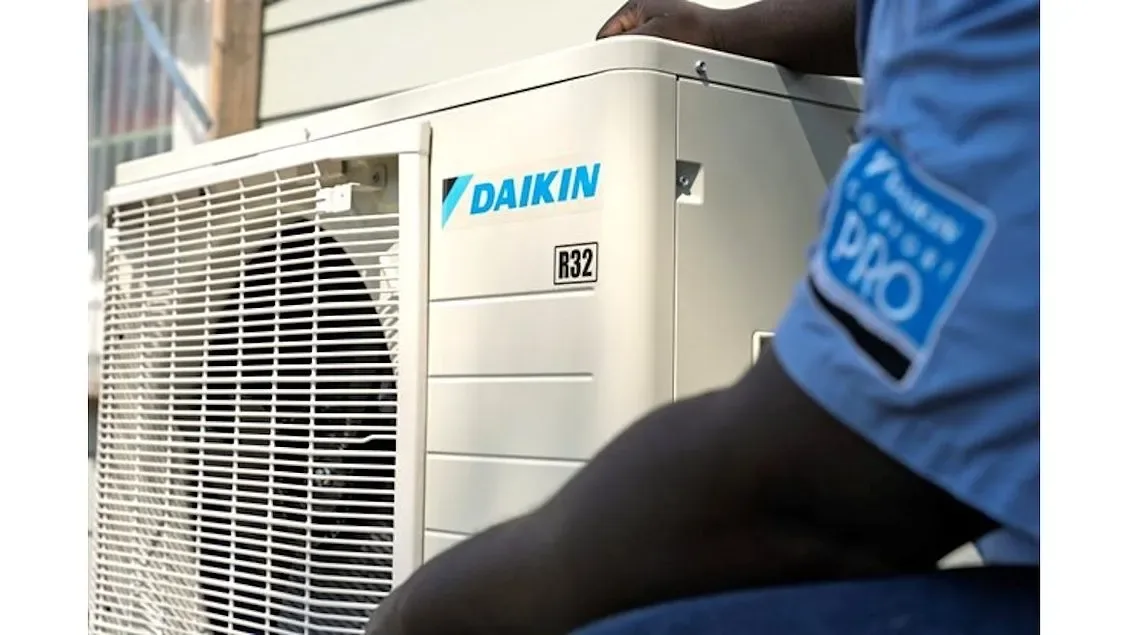
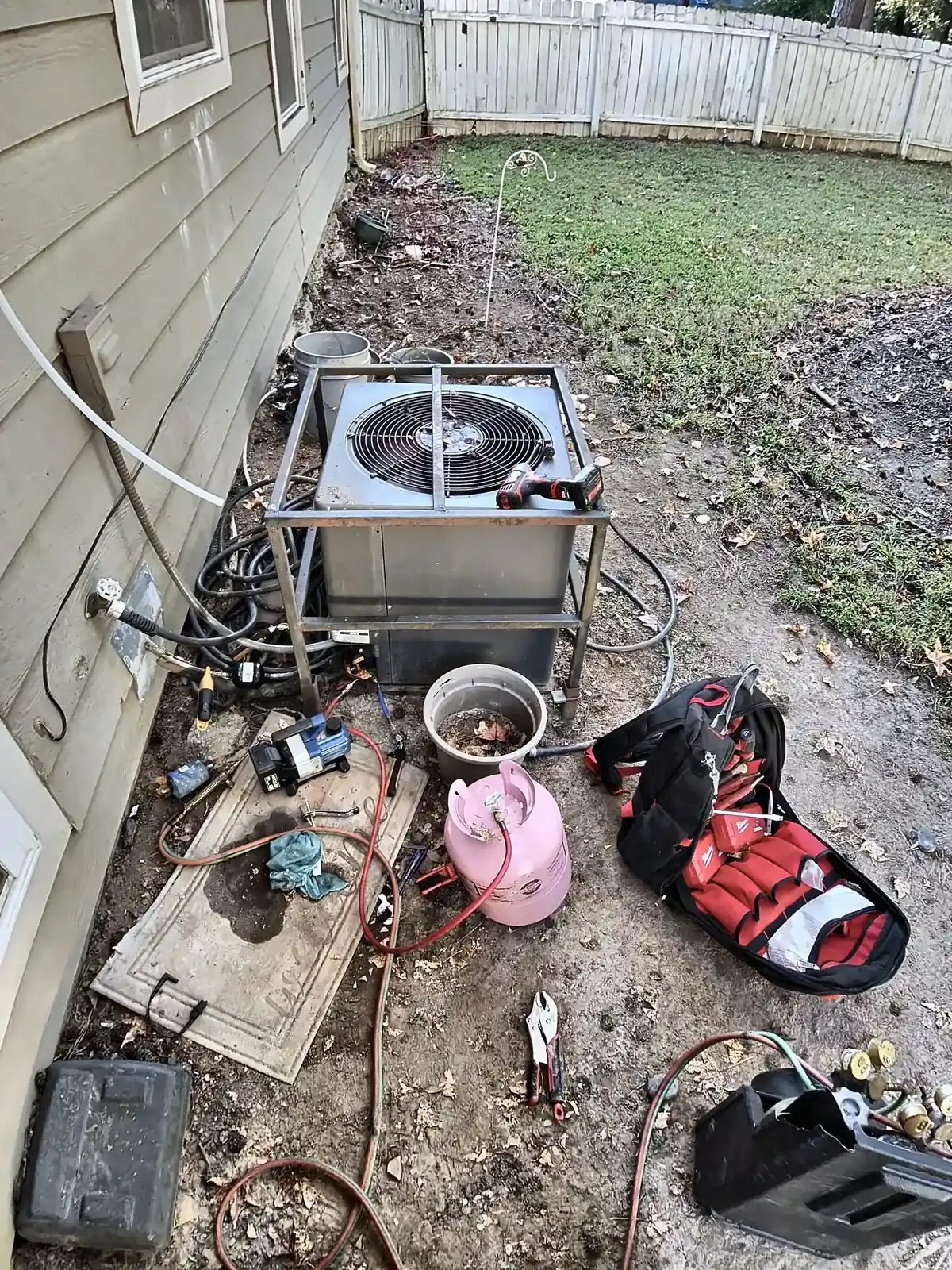
Oct 19 The Air Conditioning Contractors of America (ACCA) wrote up how the switch to the newer refrigerants, called A2Ls (R-454B and R-32 are the common ones in new home systems), has gone so far. Mostly smoothly, they say, with the biggest headache being R-454B shortages early in the 2025 cooling season. The rules they repeat matter to homeowners too. These newer refrigerants are not drop-in replacements for an older R-410A system, and you never swap one of the new ones for another, like putting R-32 into a system built for R-454B. What goes in is whatever the nameplate on the outdoor unit says.
Find the nameplate on your outdoor unit and snap a photo of it. It lists the refrigerant type, and having it on your phone makes any repair call faster. If anyone offers to "top off" your system with something different from what's on that label, that's a red flag. And if your system needs refrigerant every year, it has a leak, and the leak is the real fix.
Source: ACCA HVAC Blog
My quick checks before the first cold night
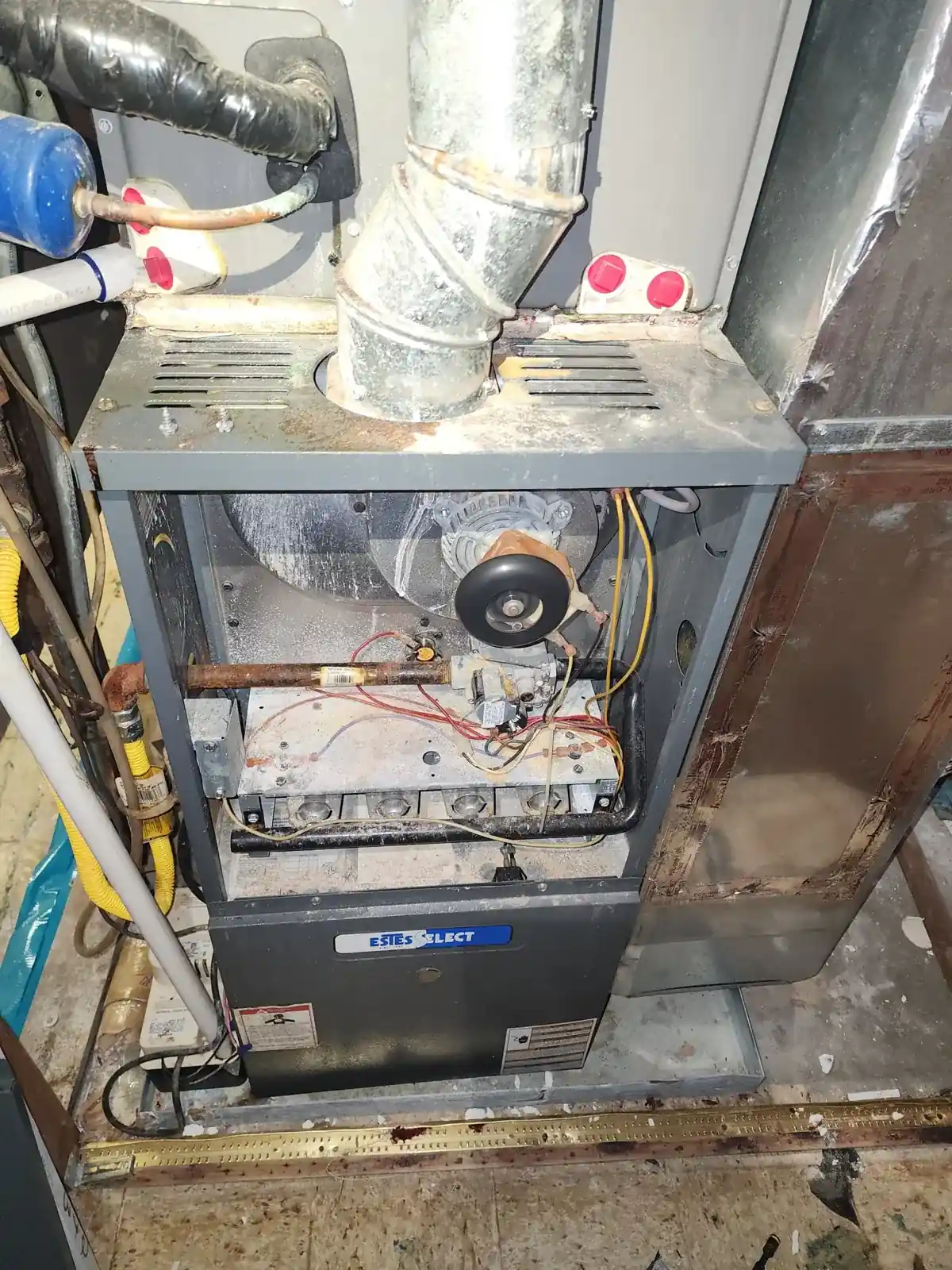
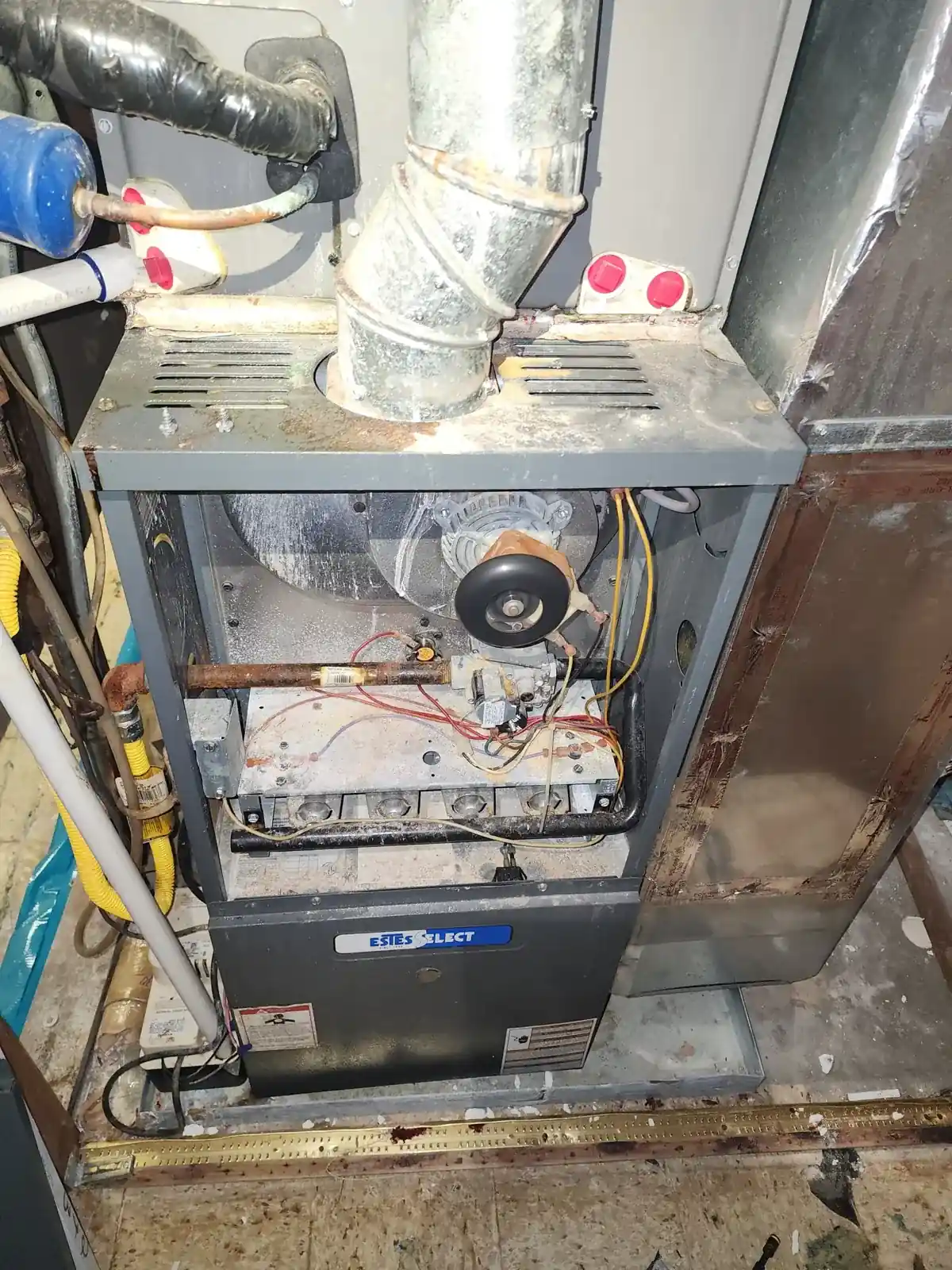
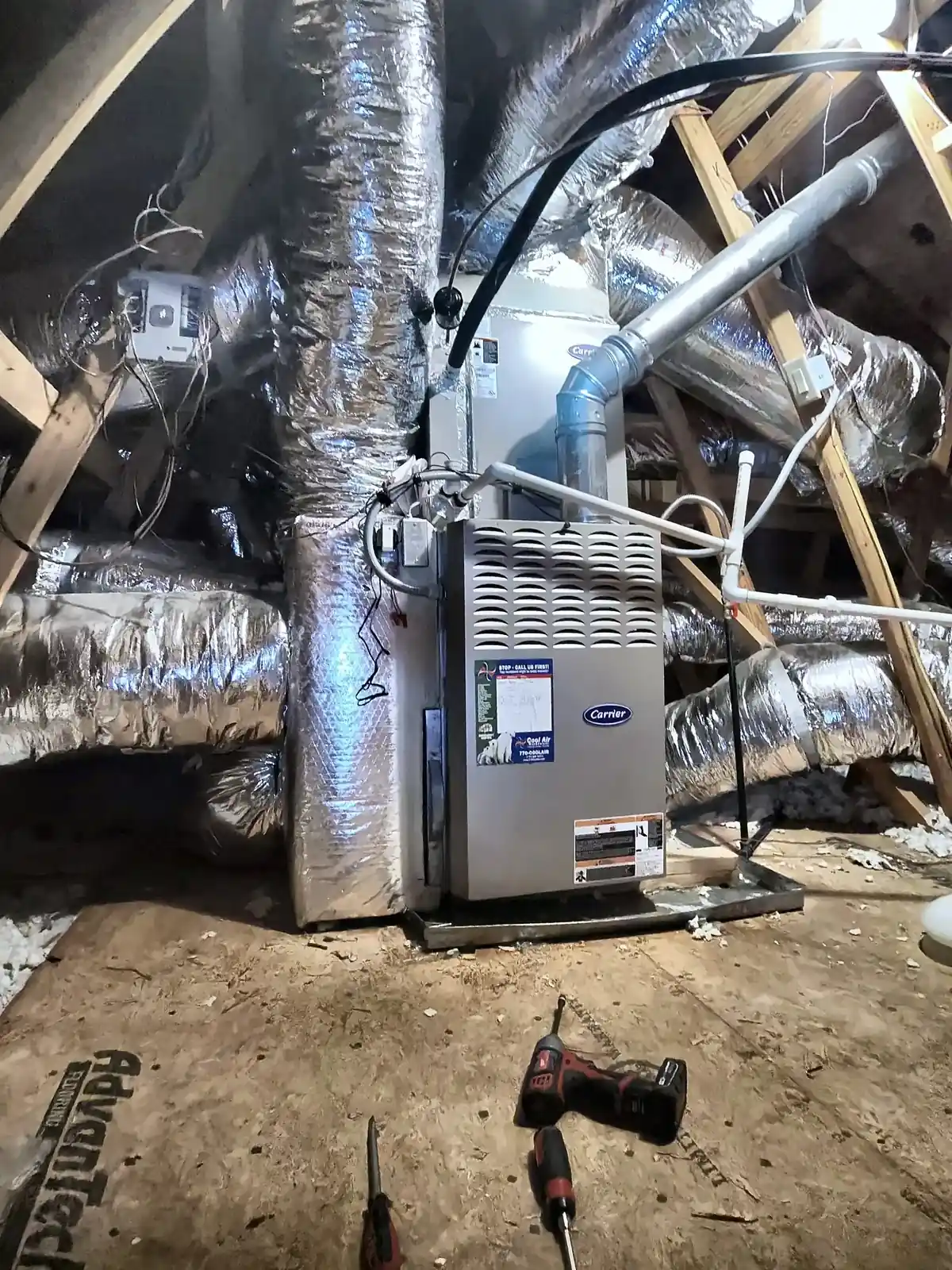
Most of the no-heat calls I get in the fall come down to a handful of things a homeowner can look at in about ten minutes. Here's what I'd check now, before you actually need the heat:
- Turn the heat on during the day and let it run a full cycle, so you find out it isn't working on a sunny afternoon and not at 2 AM.
- Check your furnace filter and swap it if it looks gray or dusty. A clogged filter can make a furnace overheat and shut itself off.
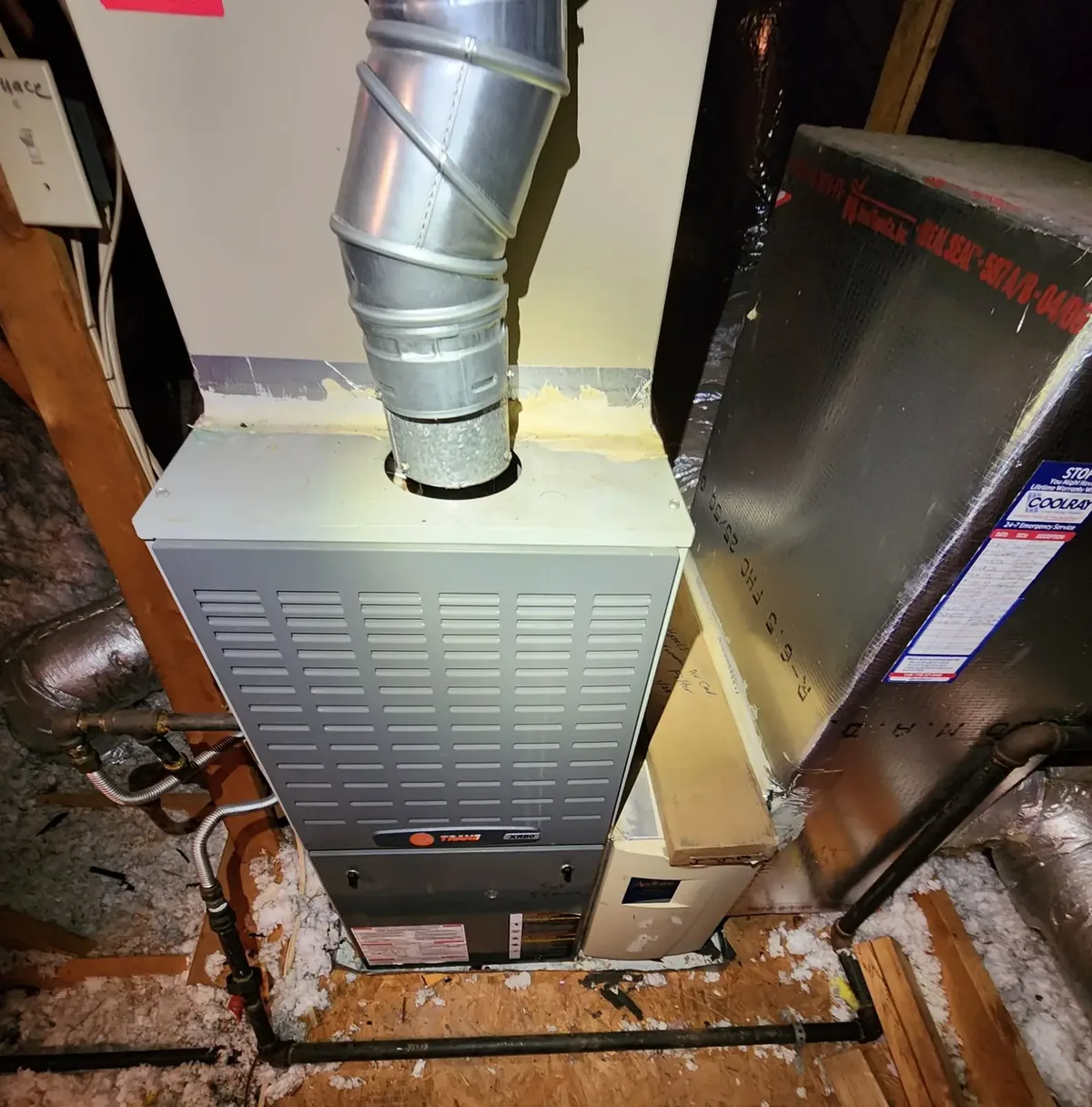
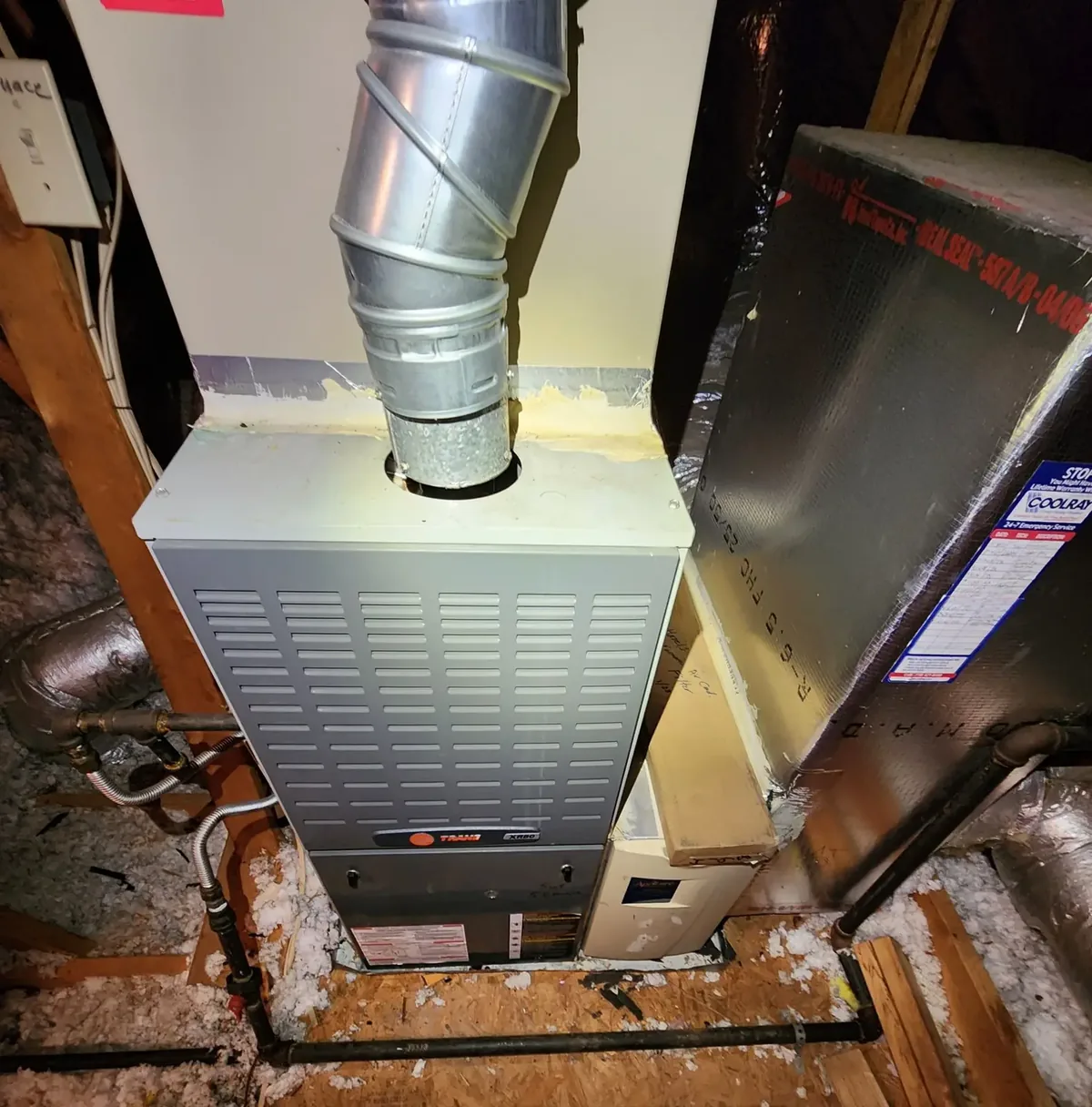
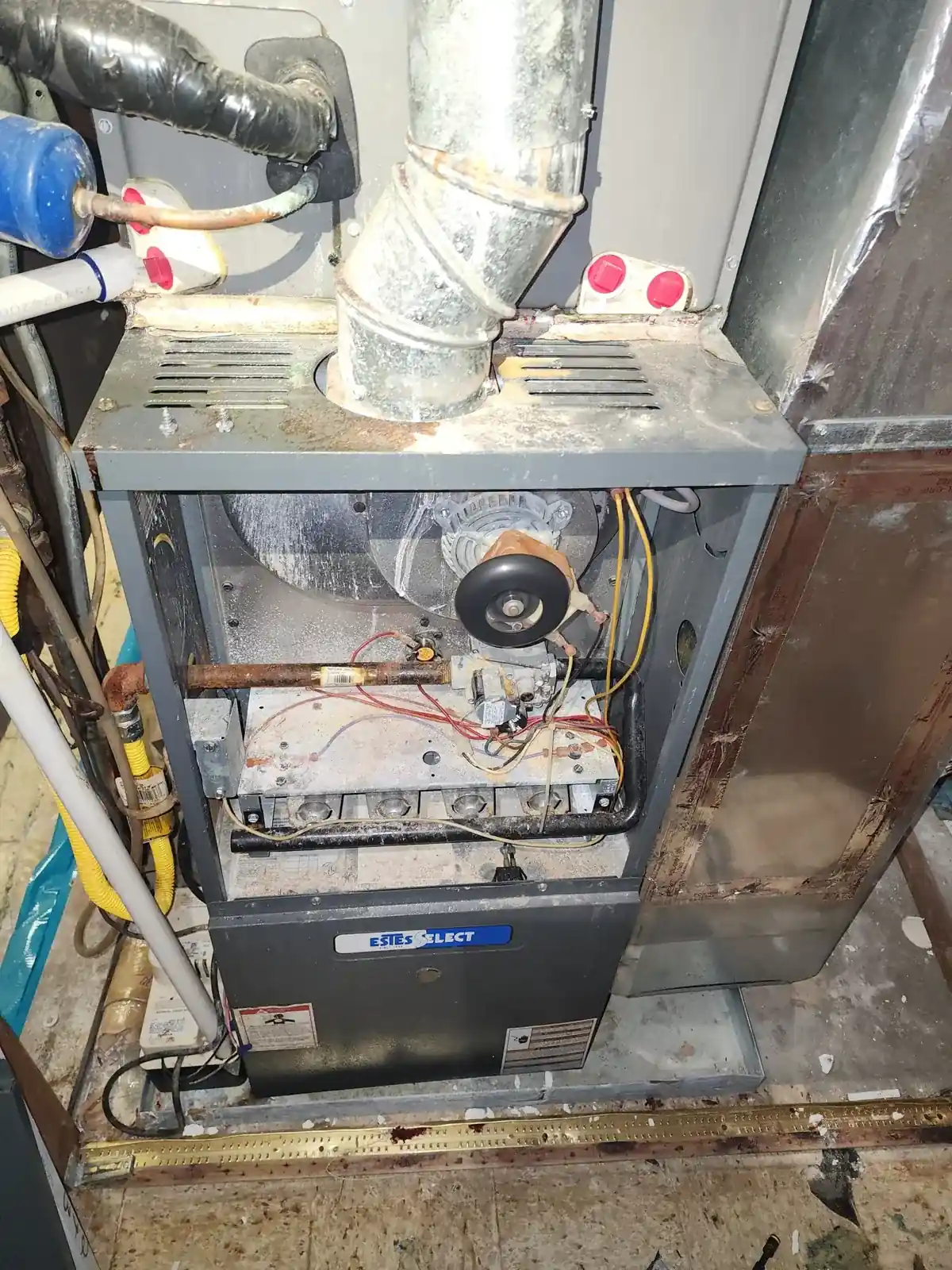
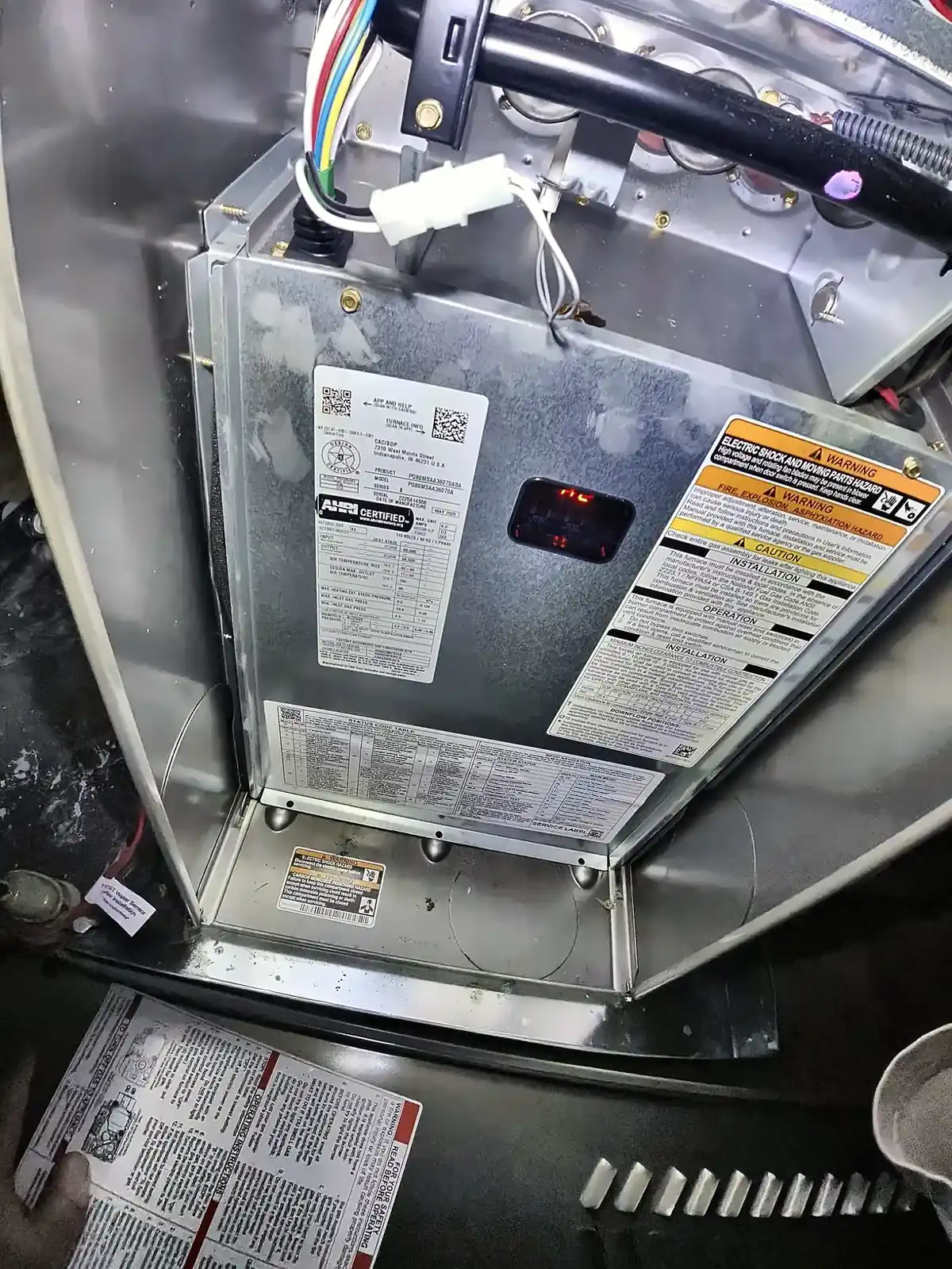
- Make sure the furnace's power switch, which often looks like a light switch on or near the unit, is on, and that the furnace door is fully closed. Many furnaces won't run with the door off.
- A little dusty smell the first time the heat runs is normal. A strong burning or electrical smell isn't, so shut it off.
- Test your carbon monoxide and smoke alarms.
If you smell gas, leave the house and call your gas company from outside. Don't work on gas lines, the furnace's gas valve, or electrical wiring yourself.