Know the symptoms
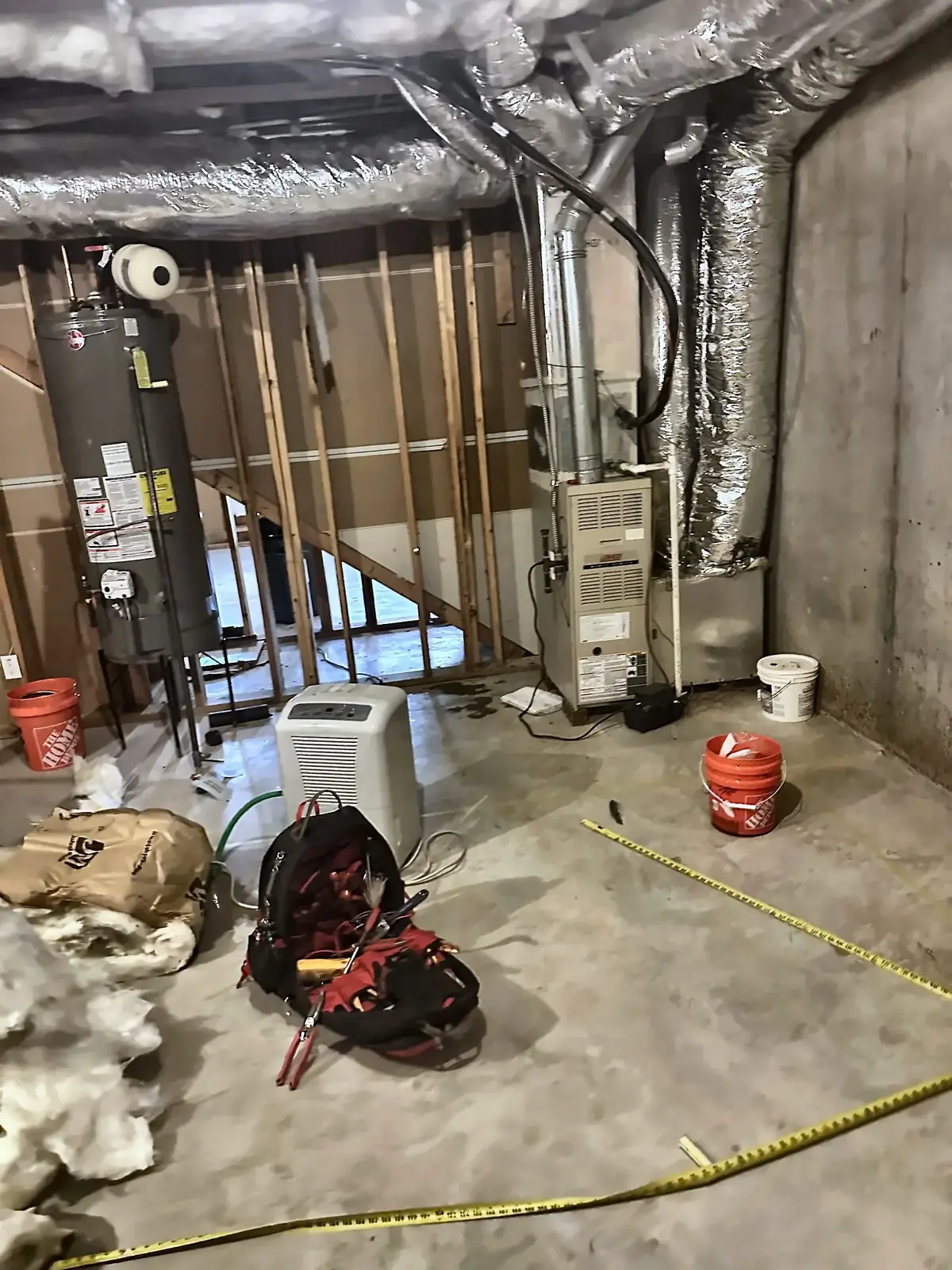
The CDC lists the most common symptoms of carbon monoxide poisoning as headache, dizziness, weakness, upset stomach, vomiting, chest pain and confusion. They're often described as flu-like, which is why it's easy to brush them off. One clue I always tell people about: if everyone in the house feels sick at the same time, and feels better after they've been out of the house for a while, take that seriously. People who are asleep can be overcome before they ever notice symptoms, which is why detectors matter so much.
If more than one person in the house has a headache or feels off at the same time, especially right after the heat kicks on for the season, get everyone outside into fresh air and call 911. Don't wait to see if it passes.
Source: CDC
Put detectors where they count
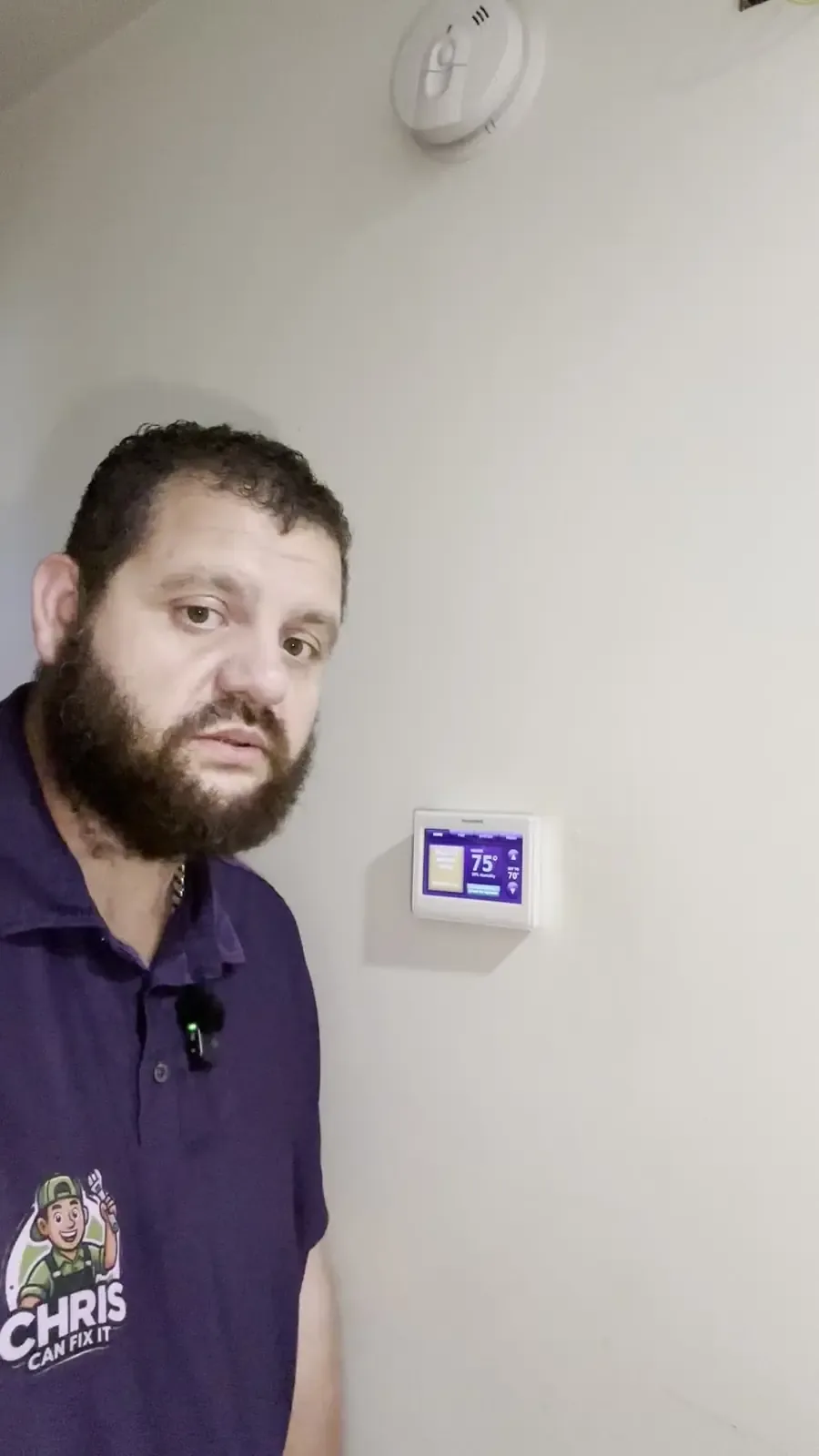
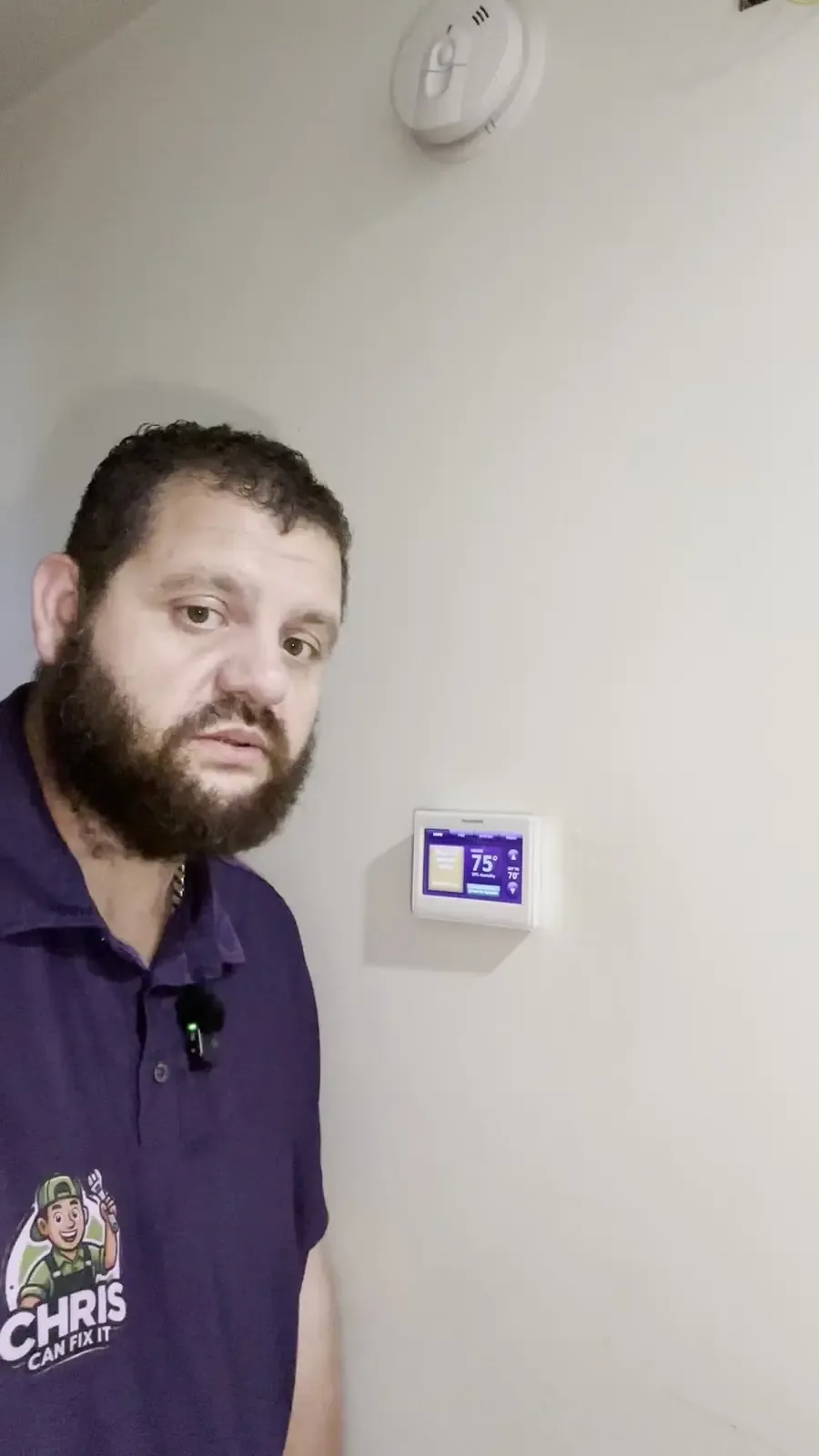
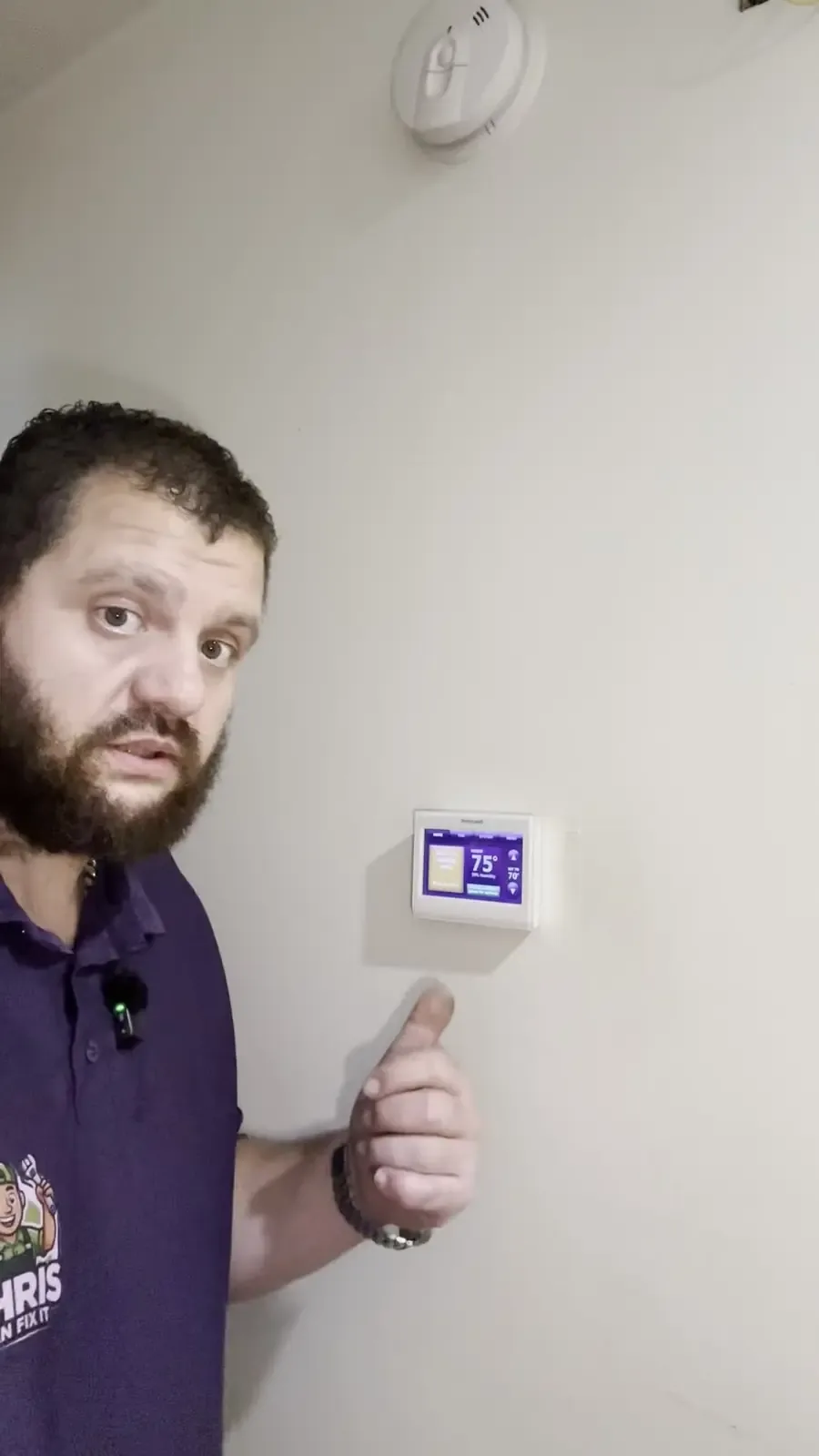
A working carbon monoxide detector is cheap insurance, and a lot of homes I walk into either don't have one or have one that stopped working years ago. The CDC recommends battery-operated or battery-backup detectors near every sleeping area, checking the batteries when you change your clocks in the spring and fall, and replacing the detector per the manufacturer's instructions or about every 5 years. I'd also put one on every level of the house.
- Near every bedroom or sleeping area
- On every level of the house, including the basement
- Battery-operated or with a battery backup, so it works when the power's out
- Tested monthly, with fresh batteries when the clocks change
The clocks fall back this weekend, which makes it the perfect time to test every smoke and CO detector in the house and put in fresh batteries. Check the date printed on the back of each CO detector, too. If it's past the replace-by date, or it's about 5 years old, swap it out.
Source: CDC
Get the venting checked every year, and know what to do if the alarm sounds
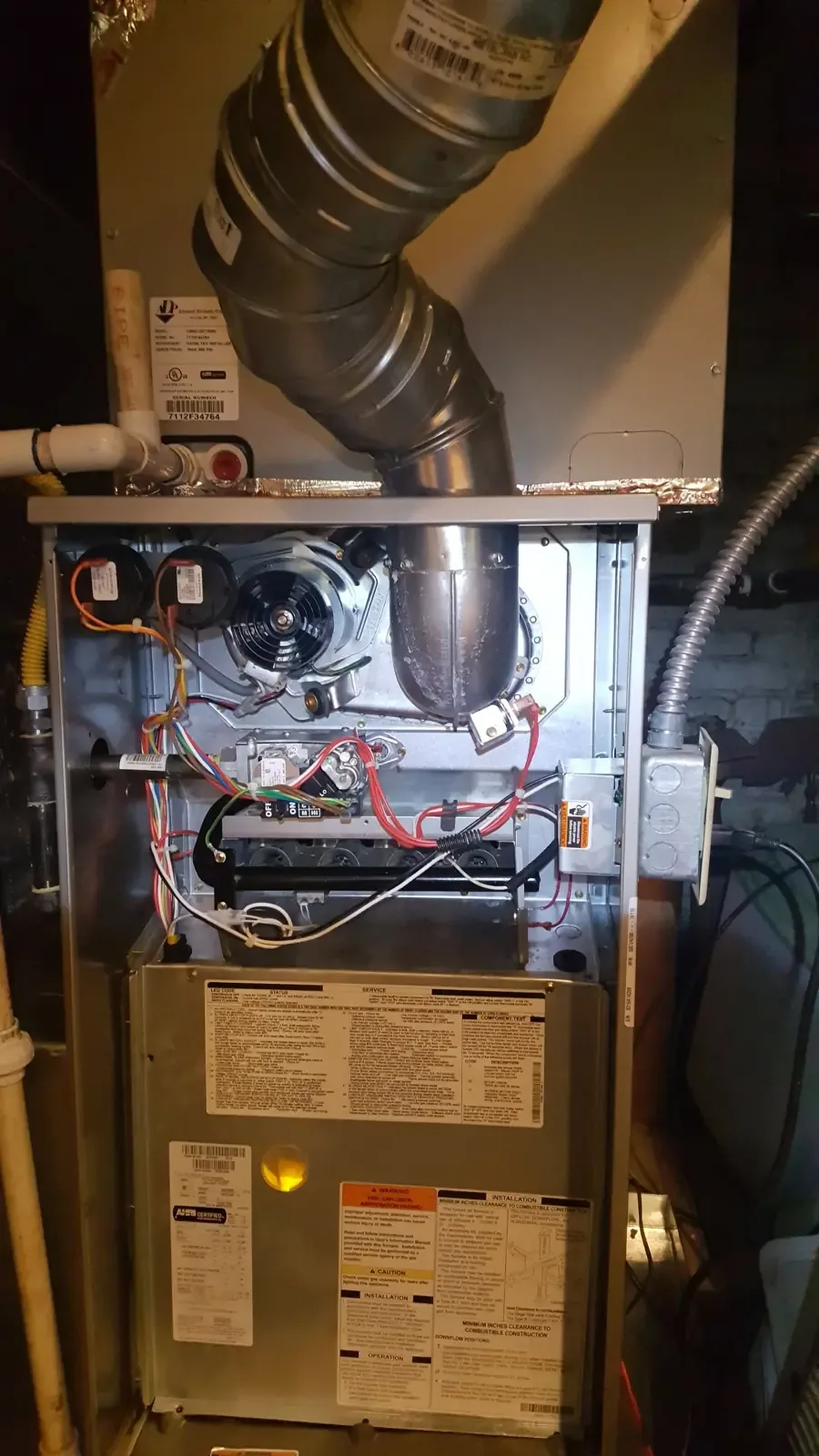
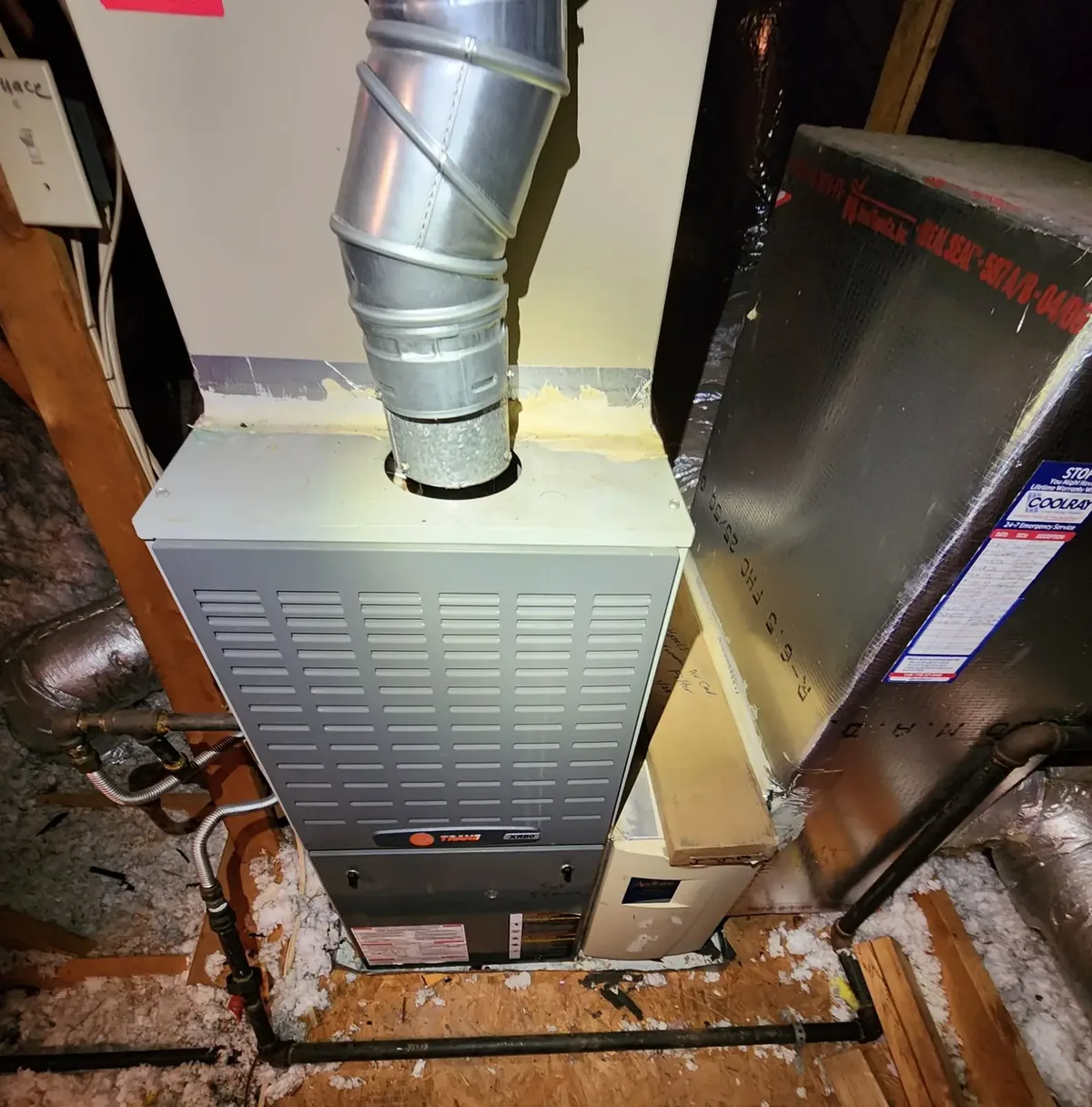
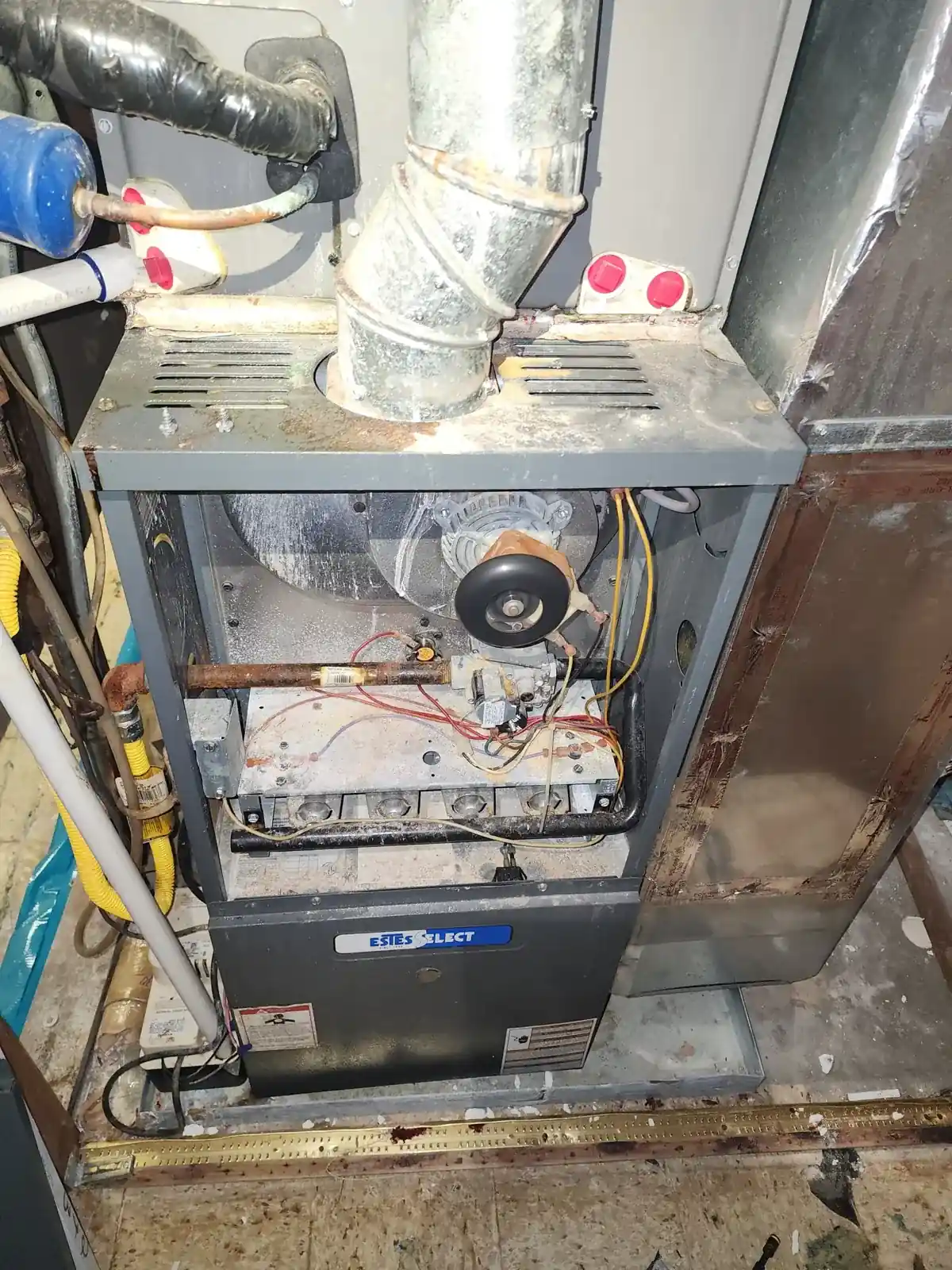
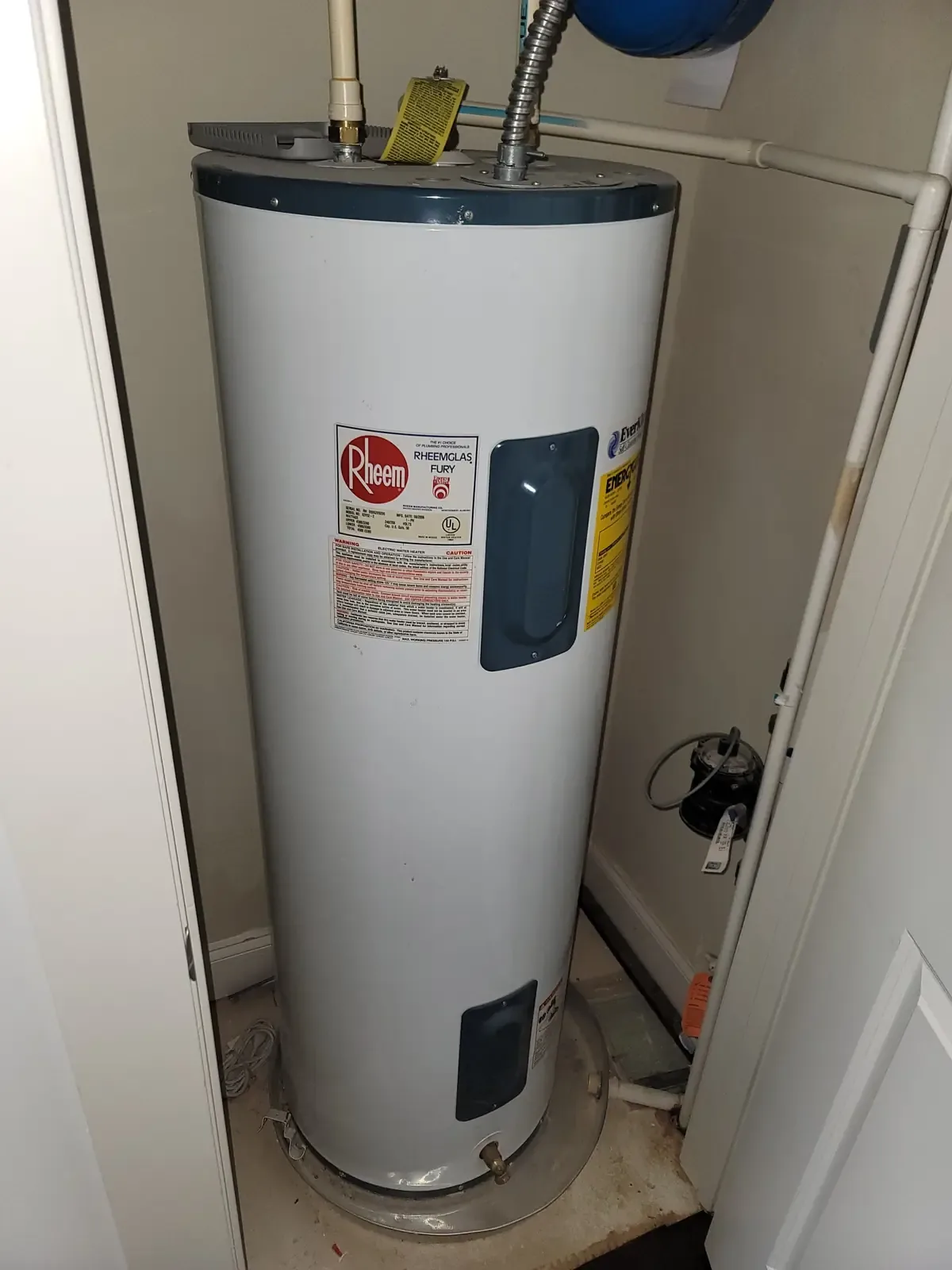
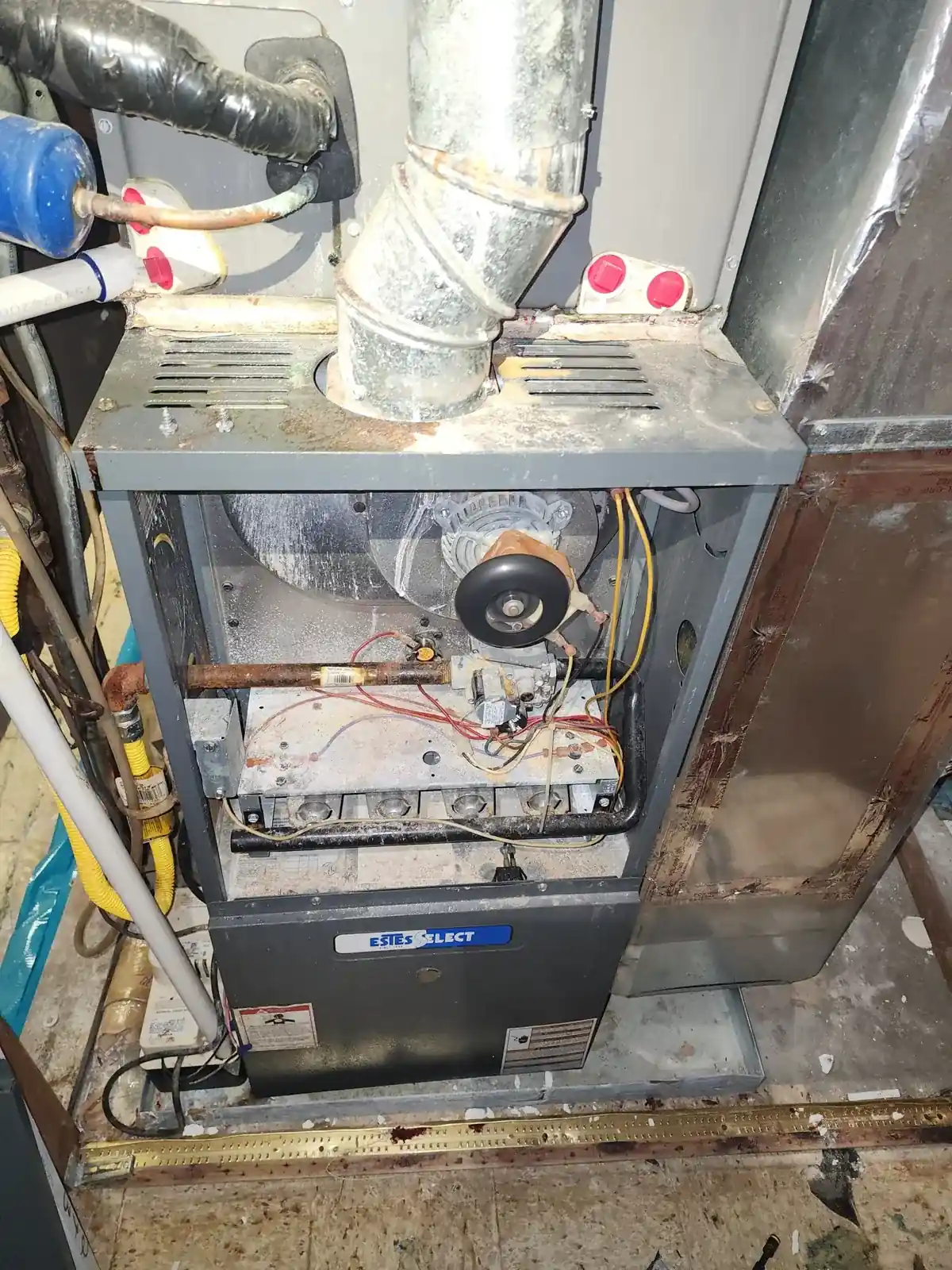
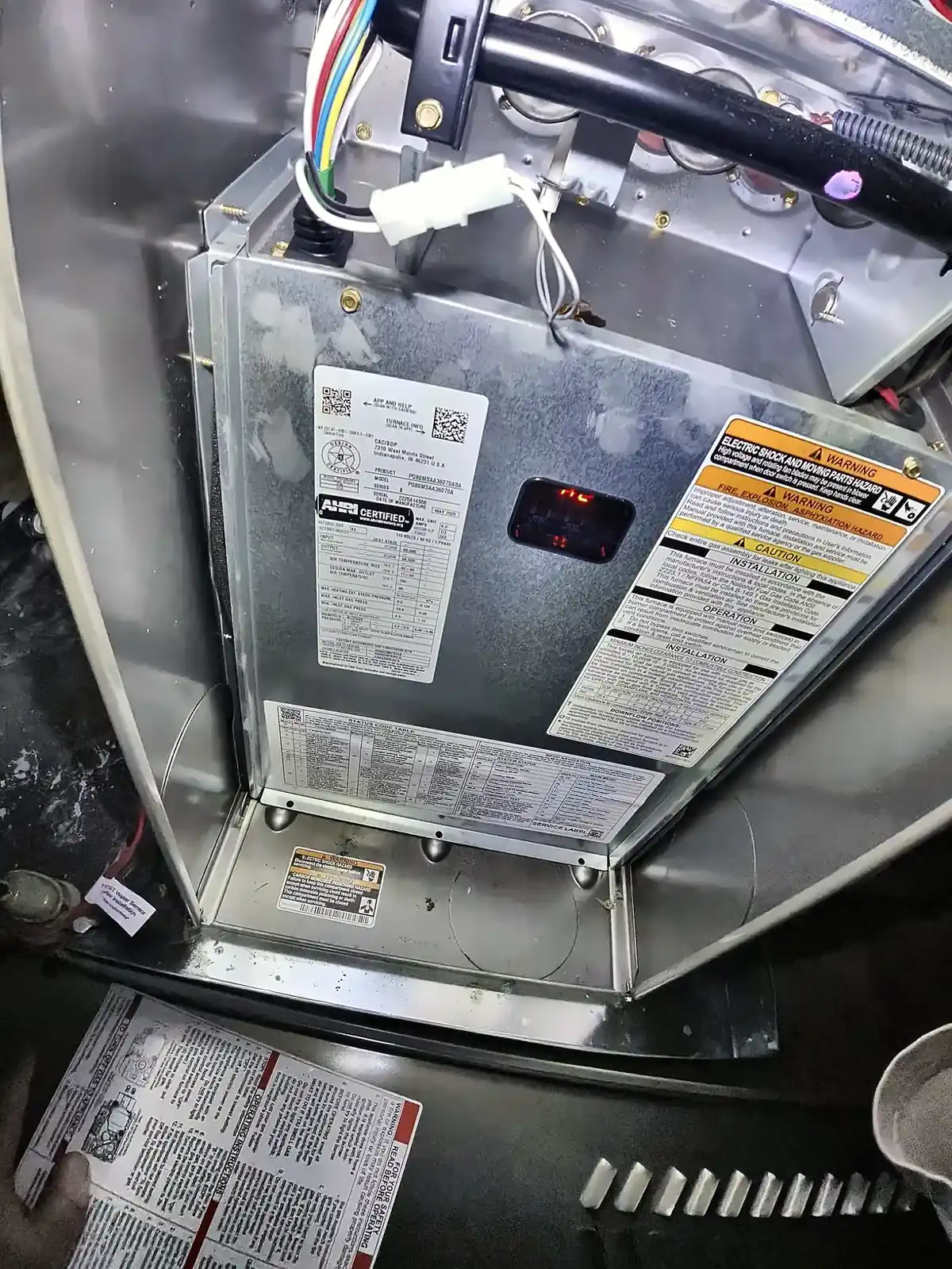
In my experience, most carbon monoxide problems at home trace back to something burning fuel that isn't venting the way it should, like a disconnected or rusted flue pipe, a blocked chimney or vent, or a furnace with a problem in the heat exchanger. The CDC recommends having your heating system, water heater and any other gas-burning appliances serviced by a qualified technician every year. That yearly check is a big part of what a furnace tune-up is for.
If a CO alarm goes off, don't try to find the source. Get everyone out of the house, pets included, and call 911 from outside. Stay out until the fire department says it's safe to go back in. Once the house is cleared, I can come out for a $79 tune-up or a $79 diagnostic to check the furnace, the venting and the gas water heater before you run them again.
Source: CDC