Ignition and flame: the parts that start the heat
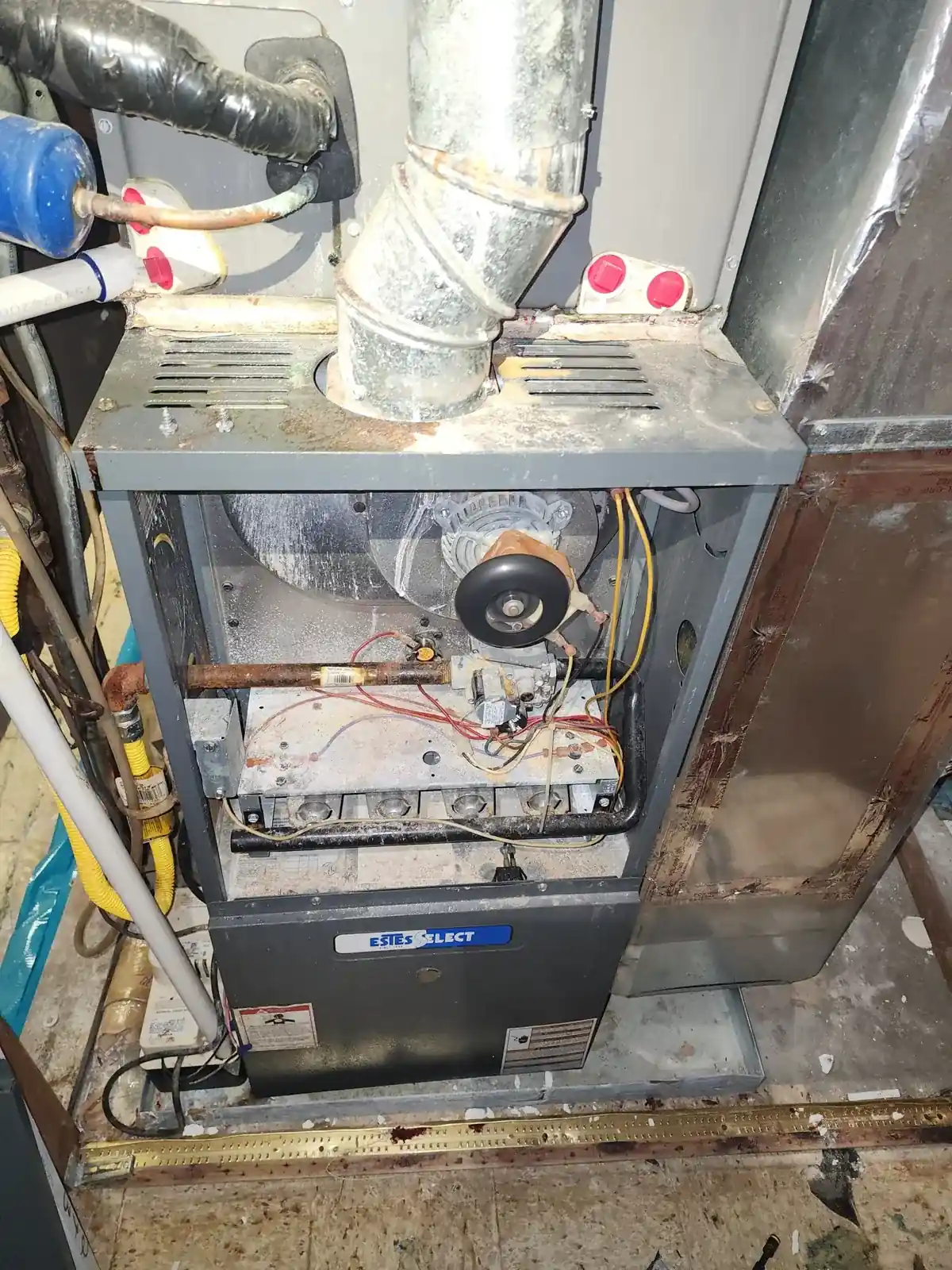
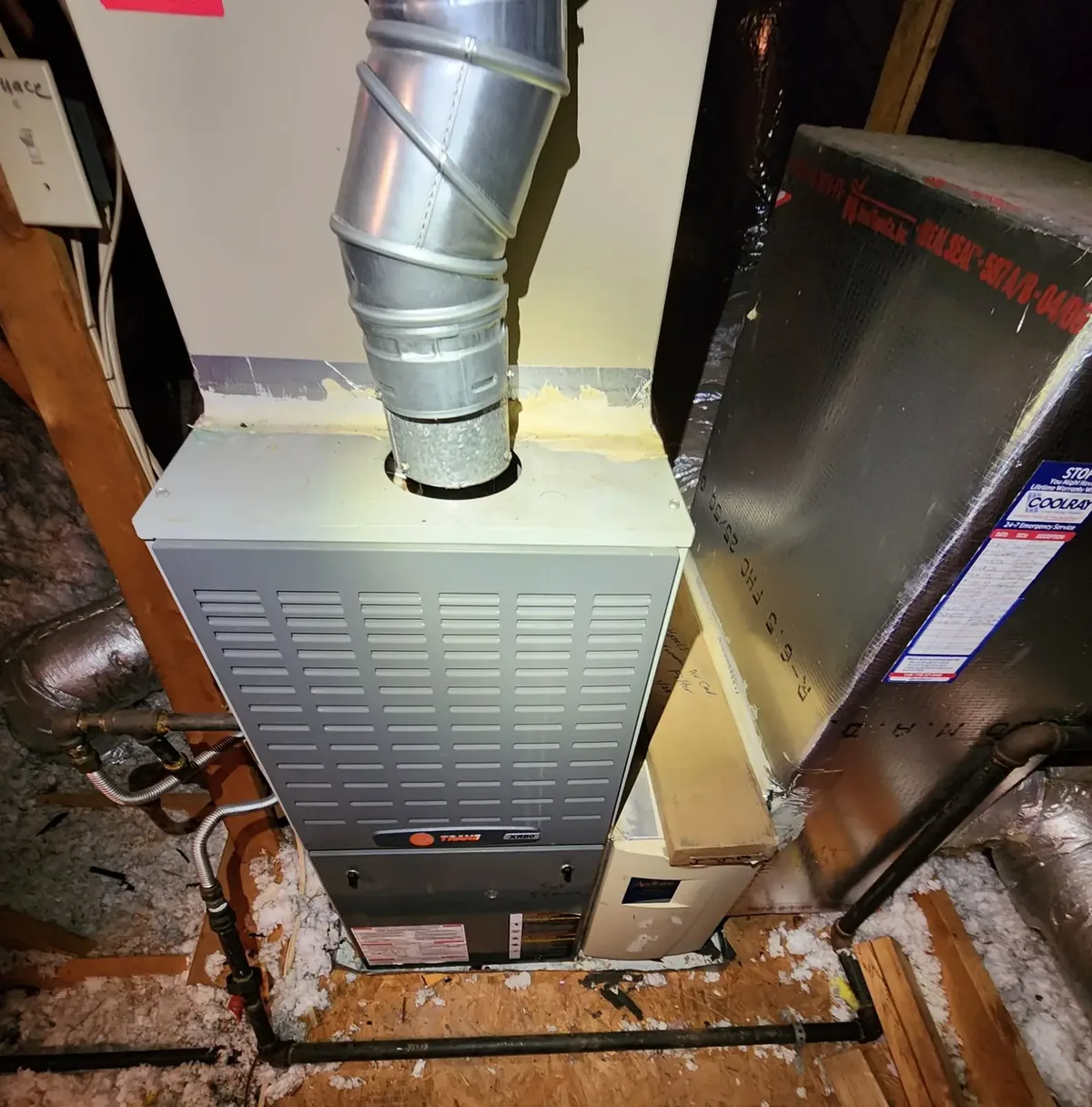
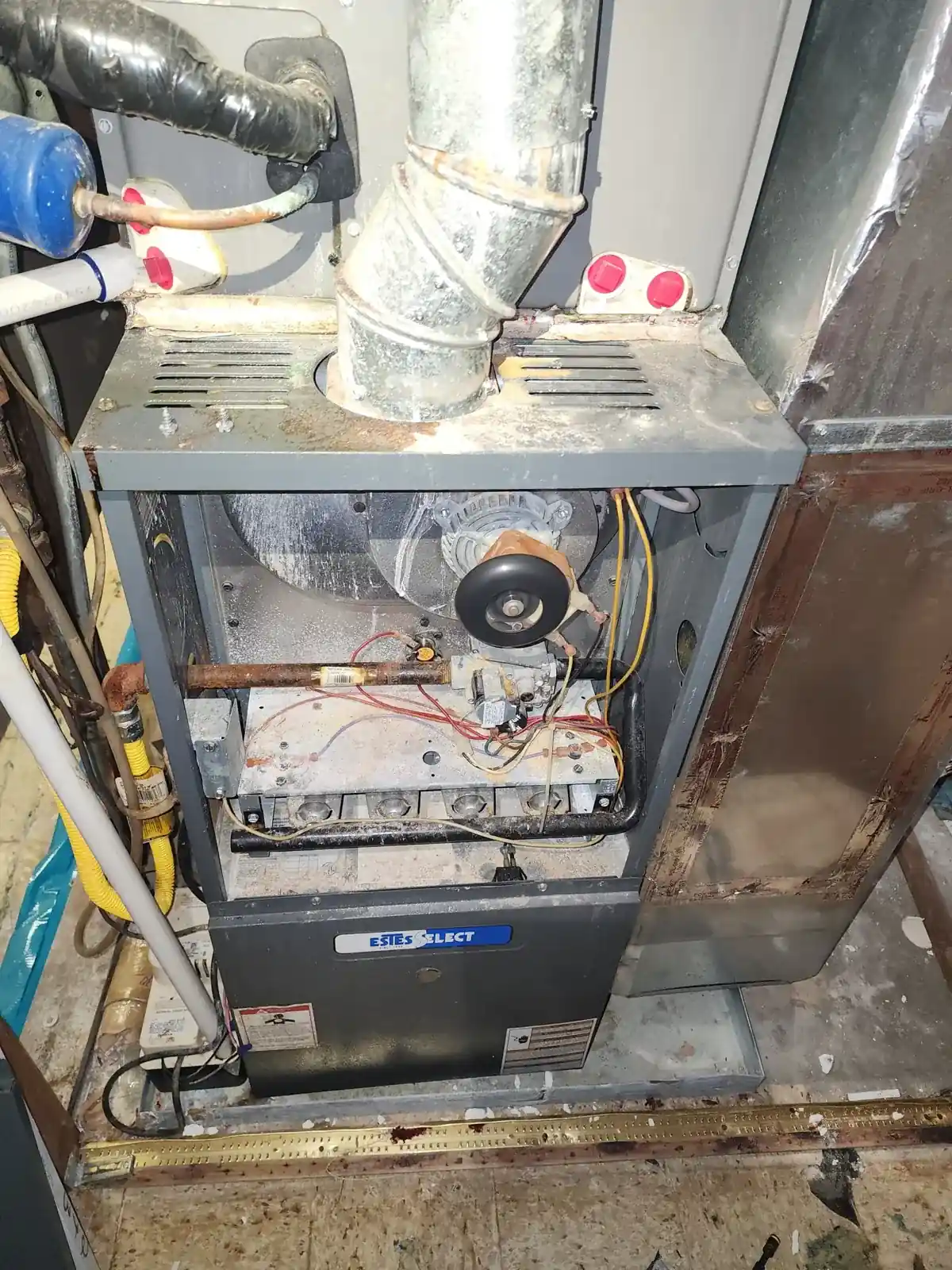
Modern furnaces light themselves with an igniter, then use a flame sensor to confirm the burners actually lit. A cracked igniter or a dirty flame sensor is one of the most common reasons a furnace tries to start, runs a few seconds, and shuts off. On a tune-up I inspect the igniter, clean the flame sensor, and watch the burners light to make sure the flame looks steady and even.
Stand near the furnace the first time it kicks on this fall and listen. A furnace that clicks, starts, stops and tries again over and over is telling you something. Note when it happens and let me know, but leave the burners and gas parts alone.
Venting and the heat exchanger: the safety checks
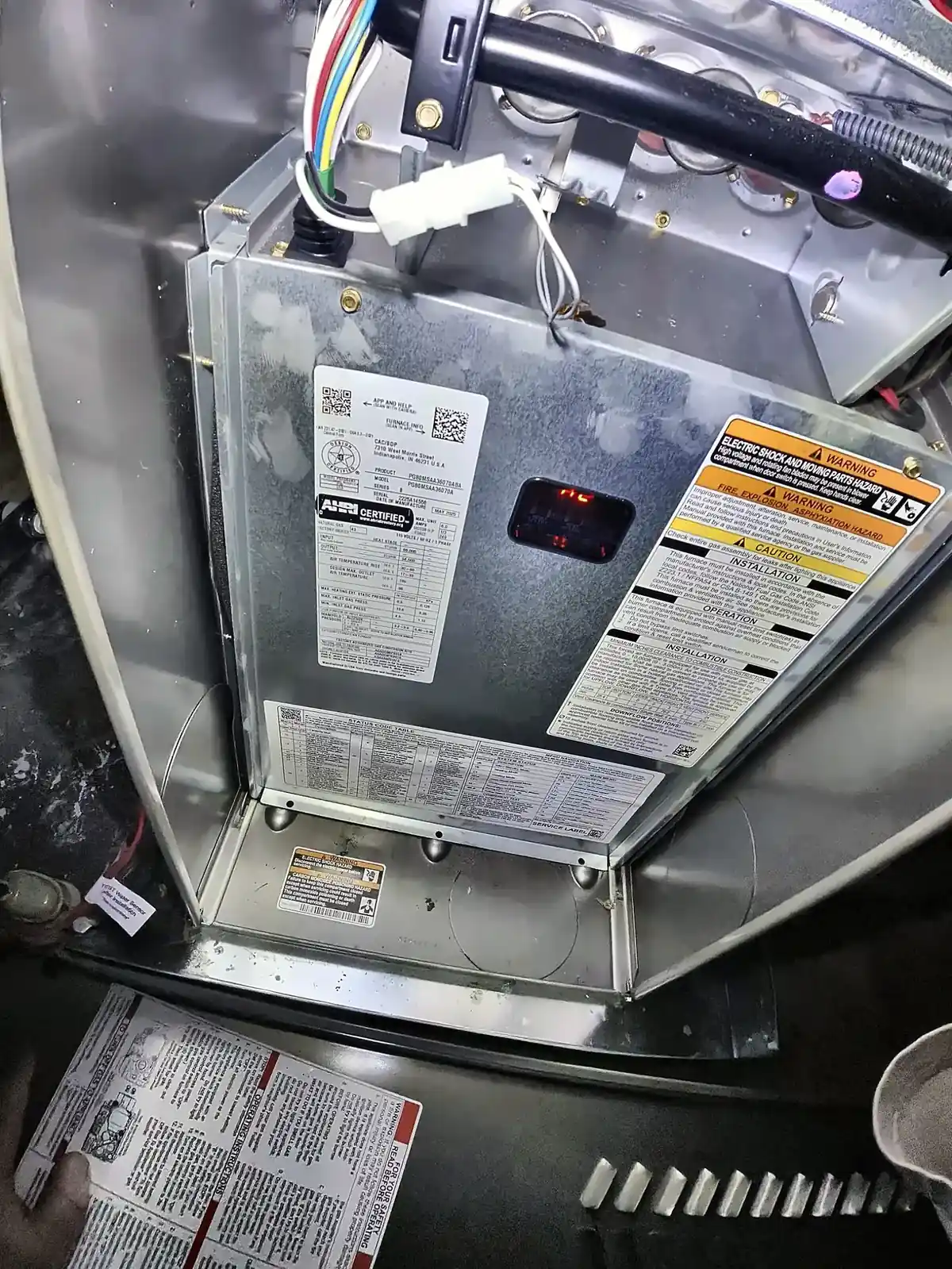
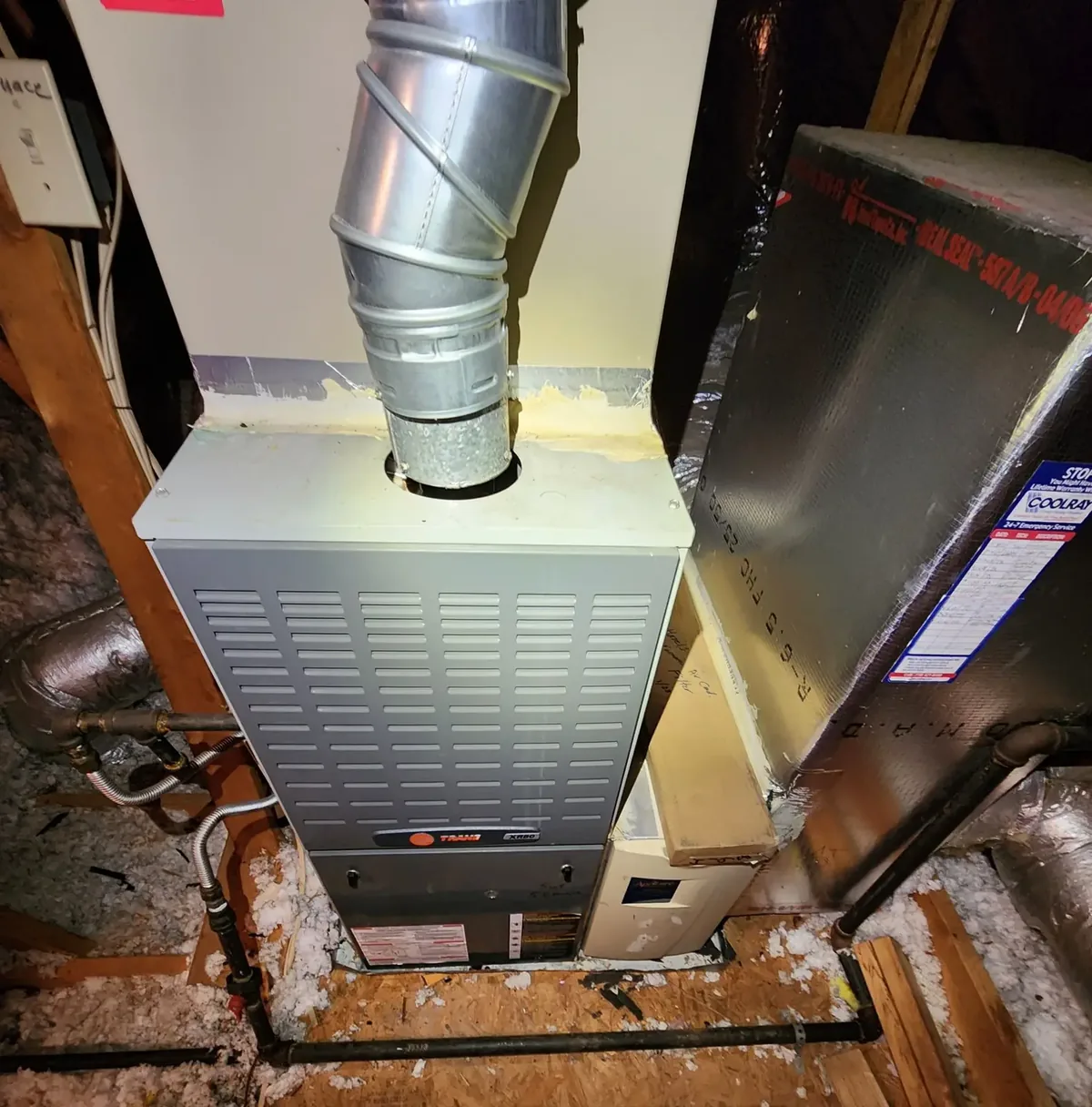
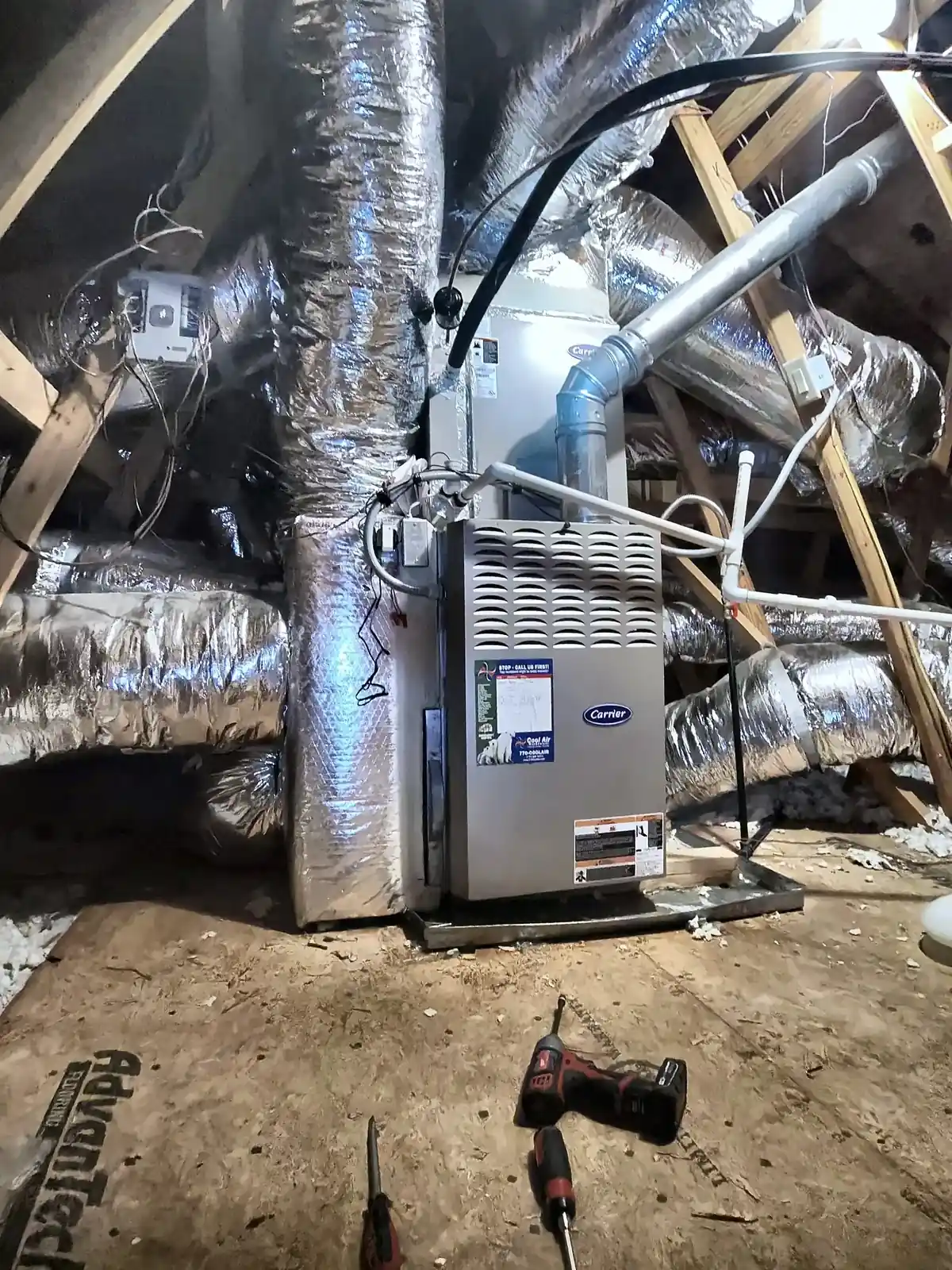
The inducer motor pulls exhaust through the furnace and out the flue, and a pressure switch confirms that the venting is clear before the burners can light. I check that motor, the switch and the flue pipe, and I do a visual inspection of the heat exchanger, the part that keeps combustion gases separate from the air you breathe. This is the carbon monoxide side of a furnace, and it's the biggest reason a tune-up is worth doing.
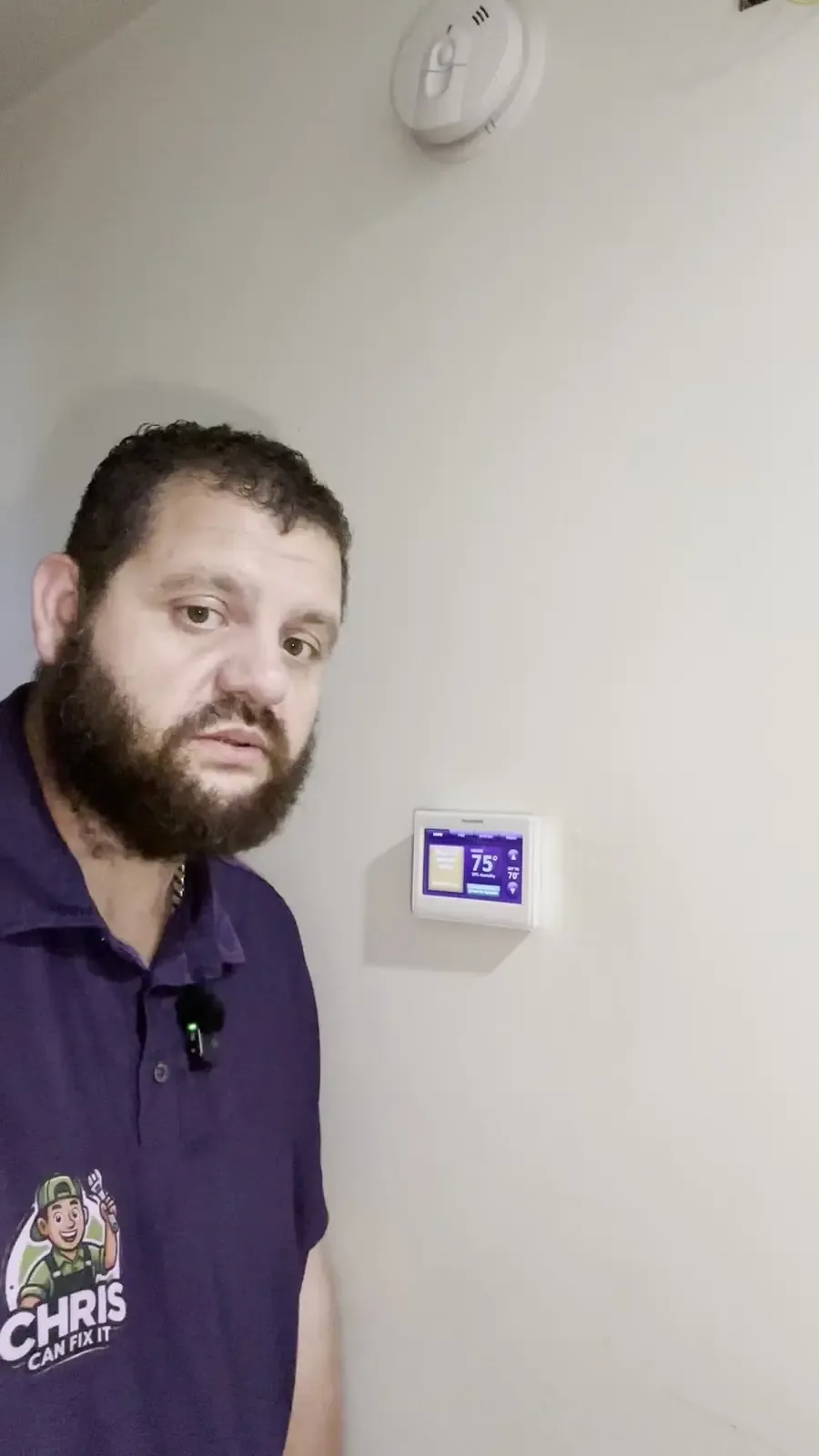
Test your carbon monoxide detectors every fall, and make sure there's one near the bedrooms. If one ever goes off, get everyone outside first and call 911 or your gas company from there.
Airflow: blower, filter and temperature rise
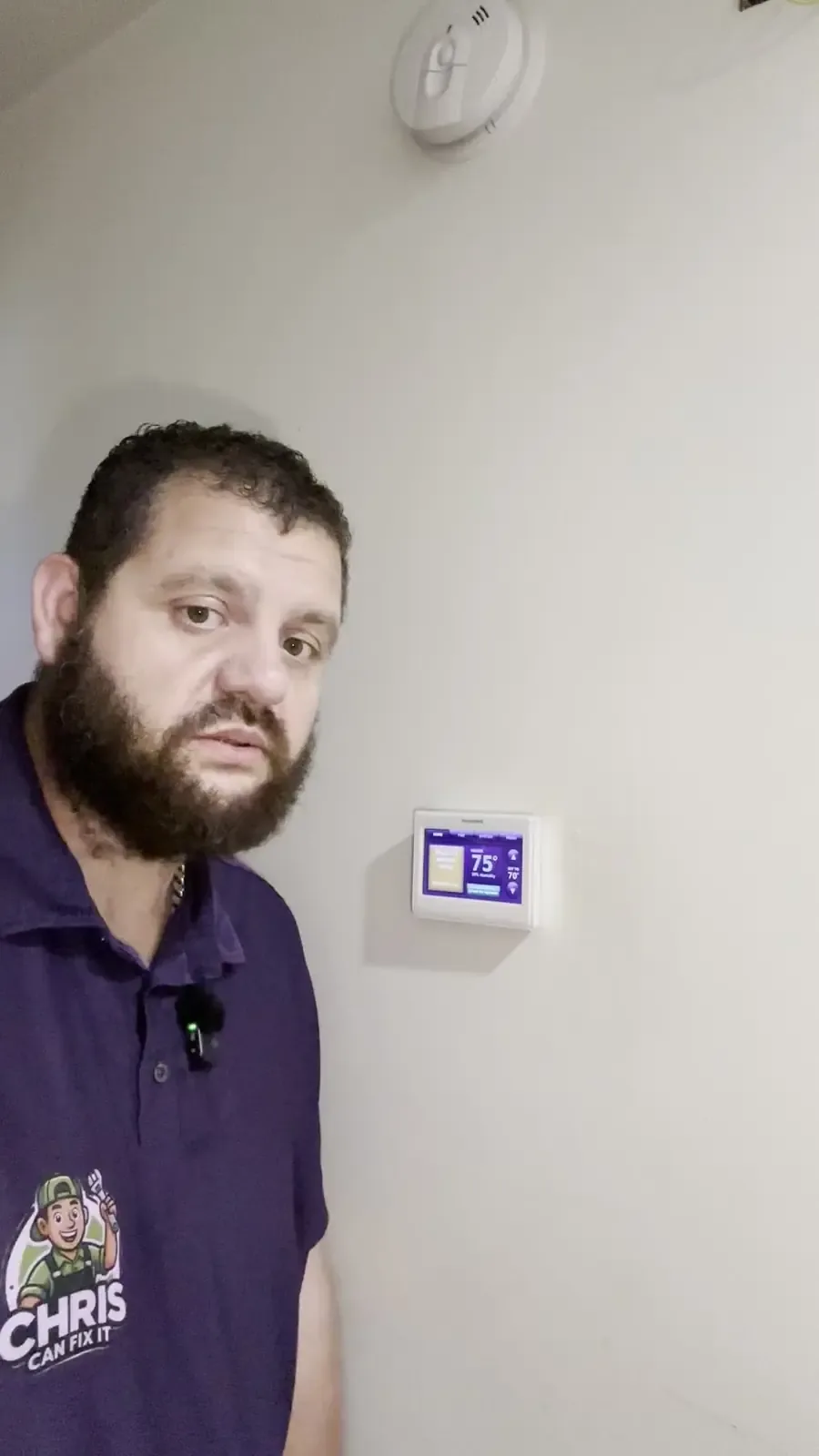
A furnace can light perfectly and still struggle if the air can't move. I check the blower, the filter and the temperature rise, which is the difference between the air going in and the air coming out. If that number is off, it points to an airflow problem that can make the furnace run hot and wear out early.
Keep supply vents and return grilles clear of furniture, rugs and curtains, and change the filter on schedule. My fall tune-up is a flat $79, and it's a good time to ask any questions you've been saving up about your system.
- Furnace runs short cycles or shuts off early
- Some rooms stay cold while others are fine
- Air from the vents feels lukewarm
- A new noise or a dusty, burning smell that doesn't fade after the first run
Source: U.S. Department of Energy