How to tell if your furnace makes water
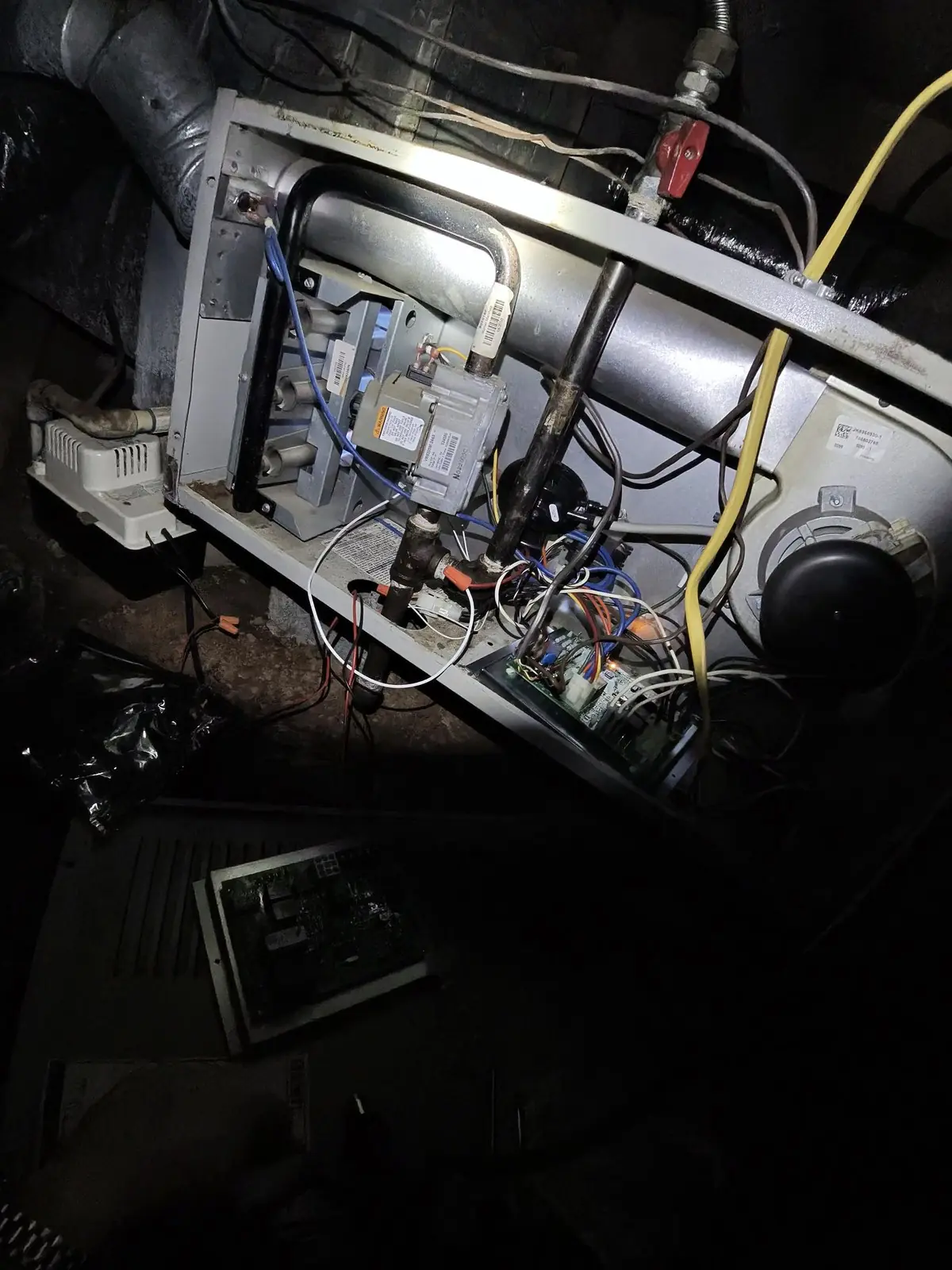
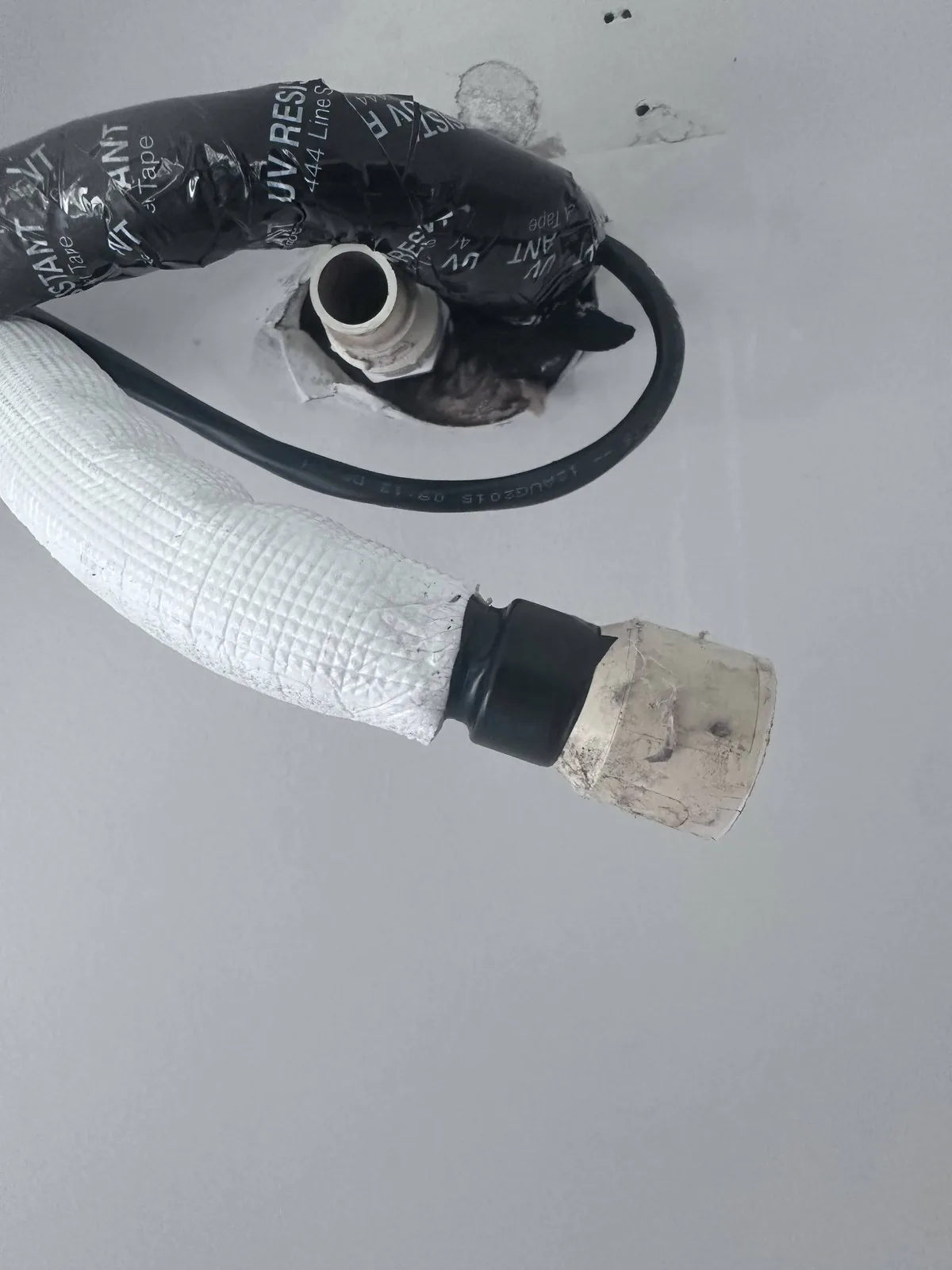
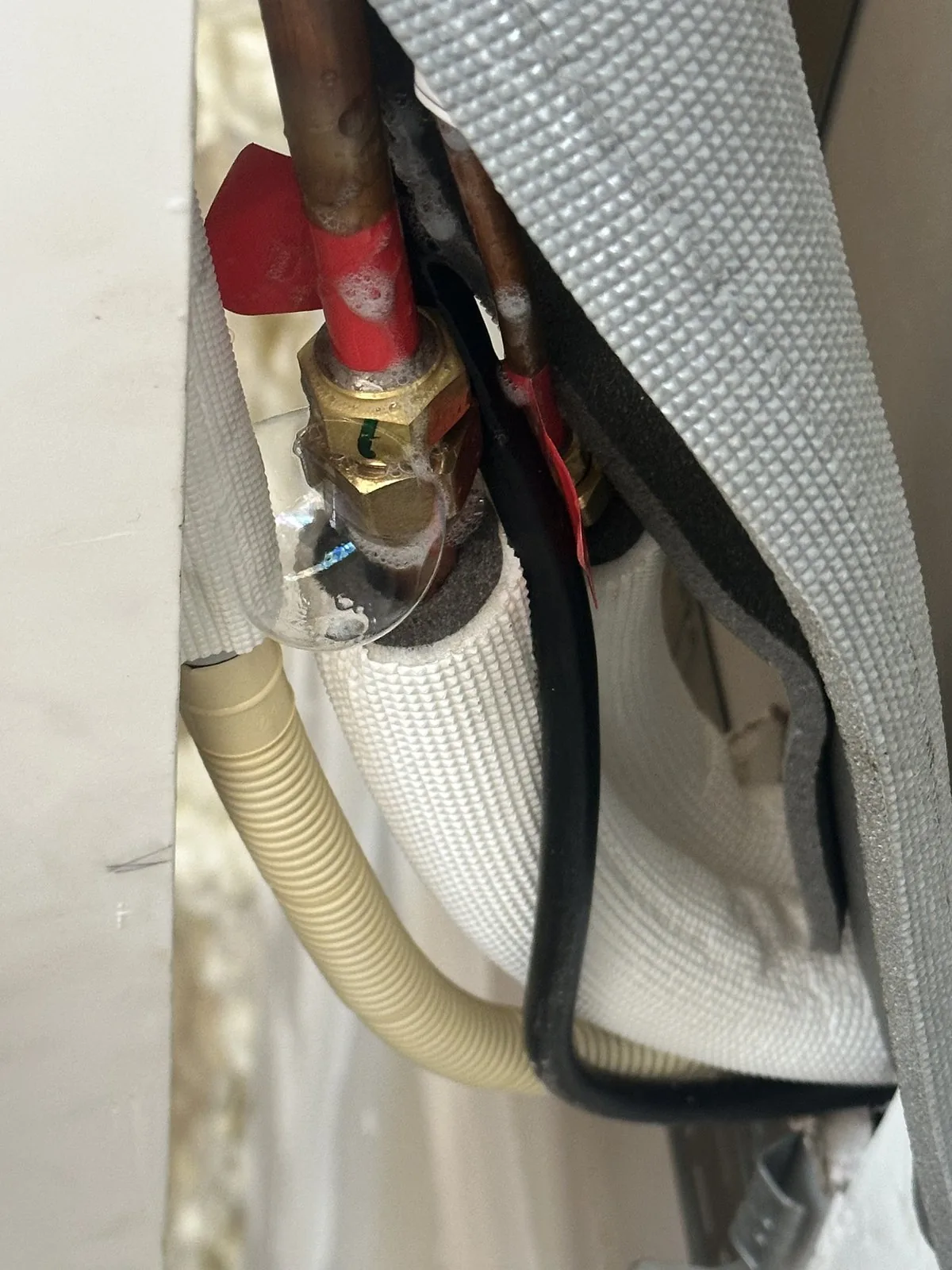
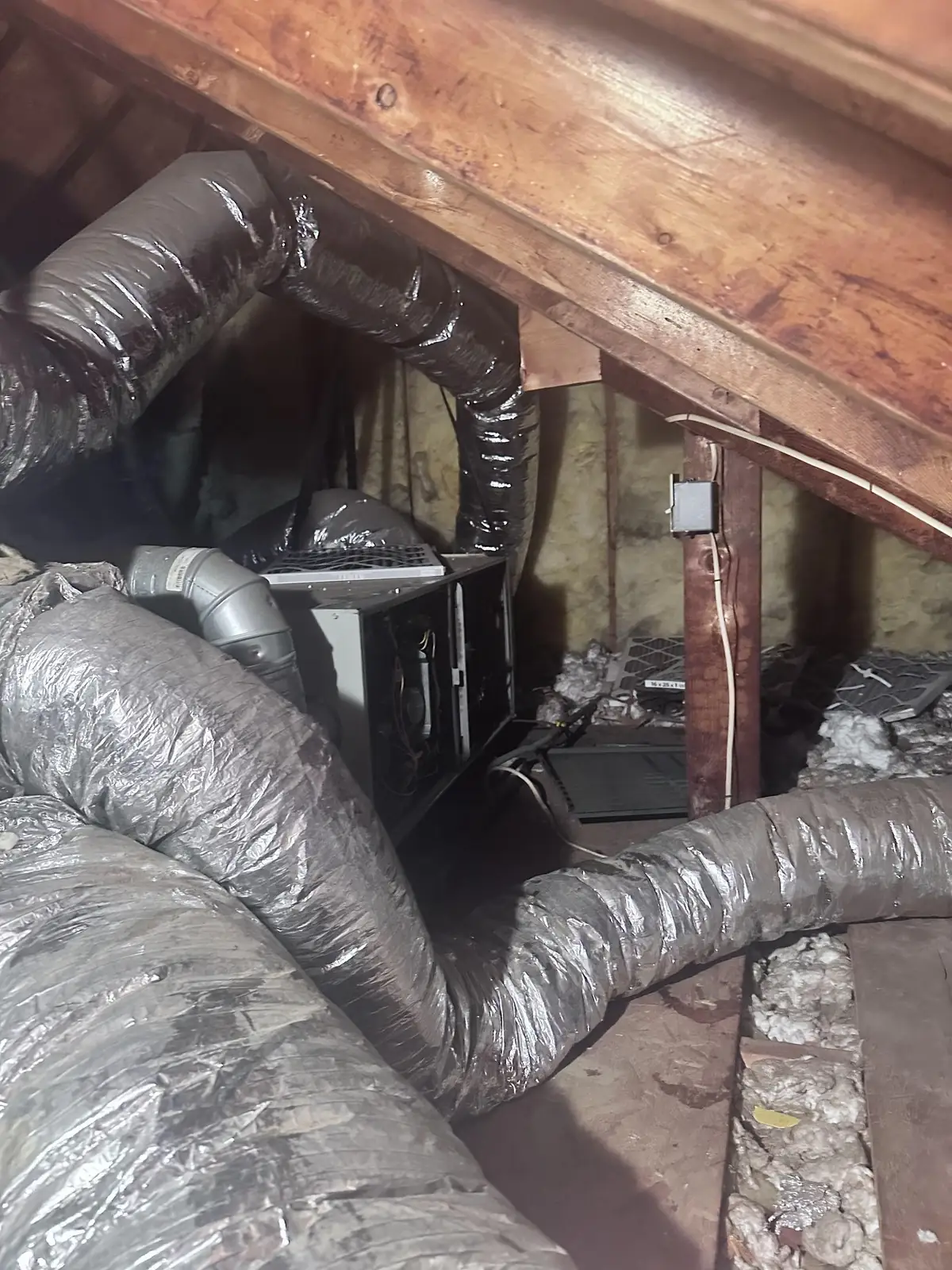
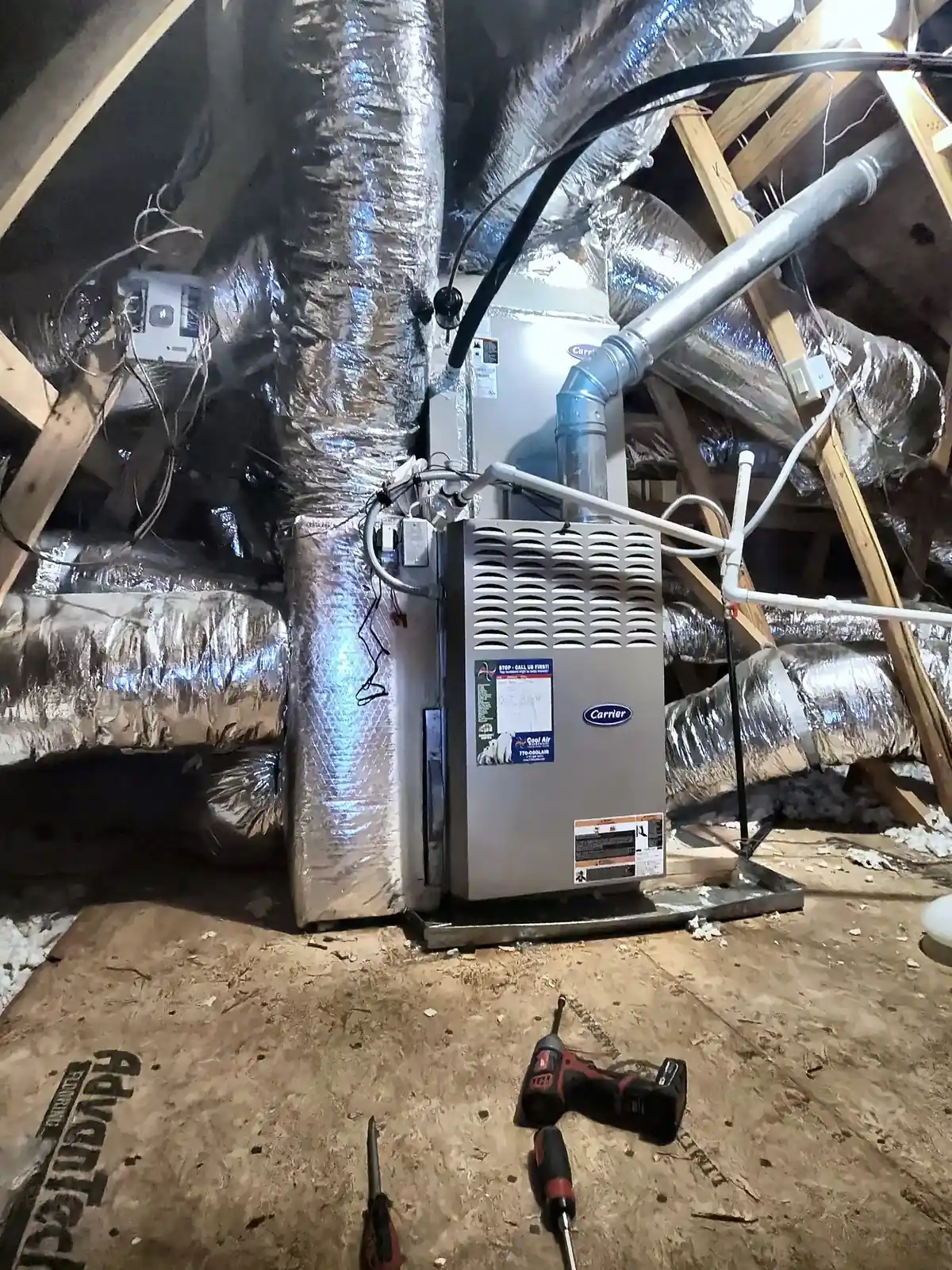
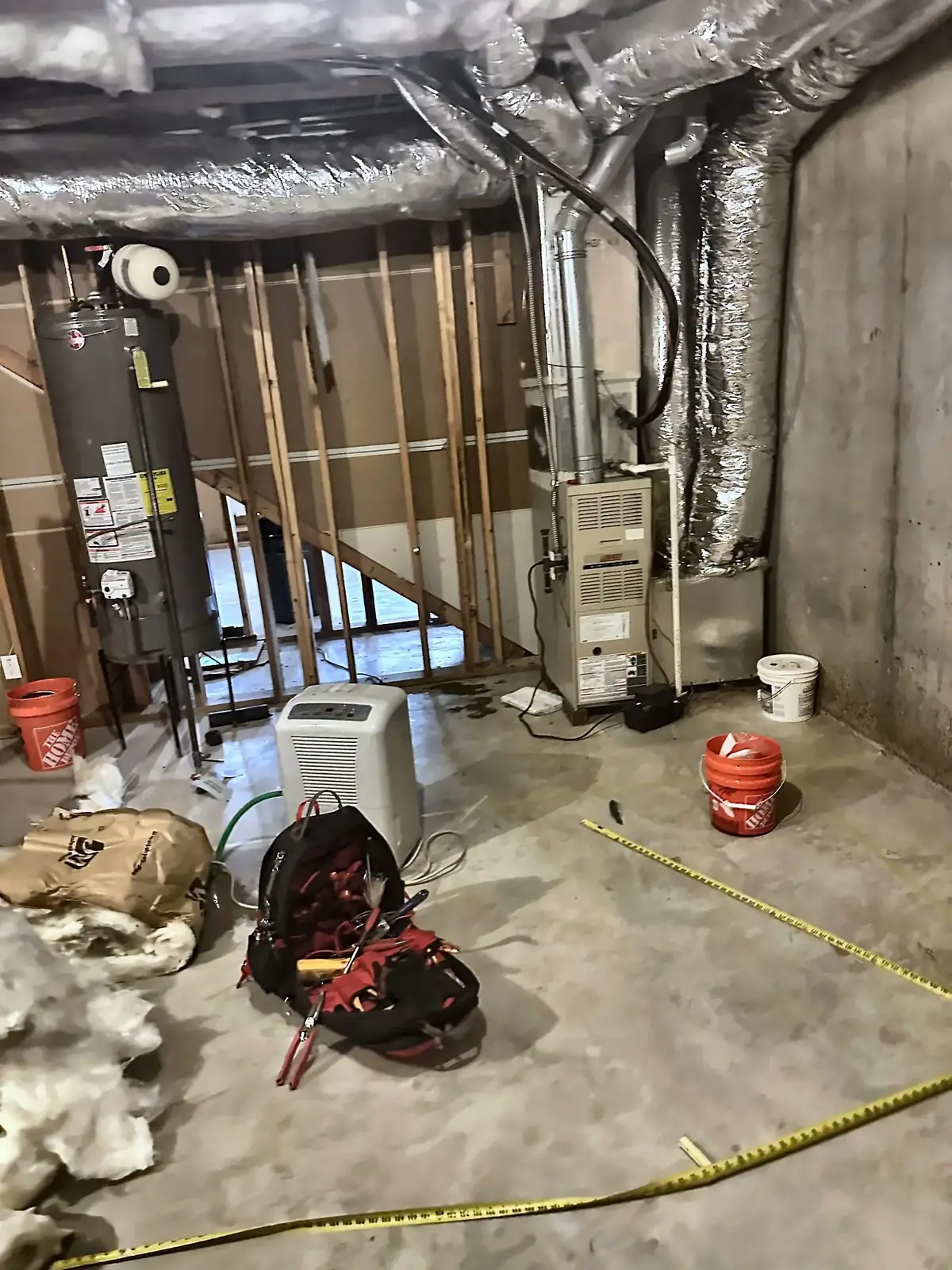
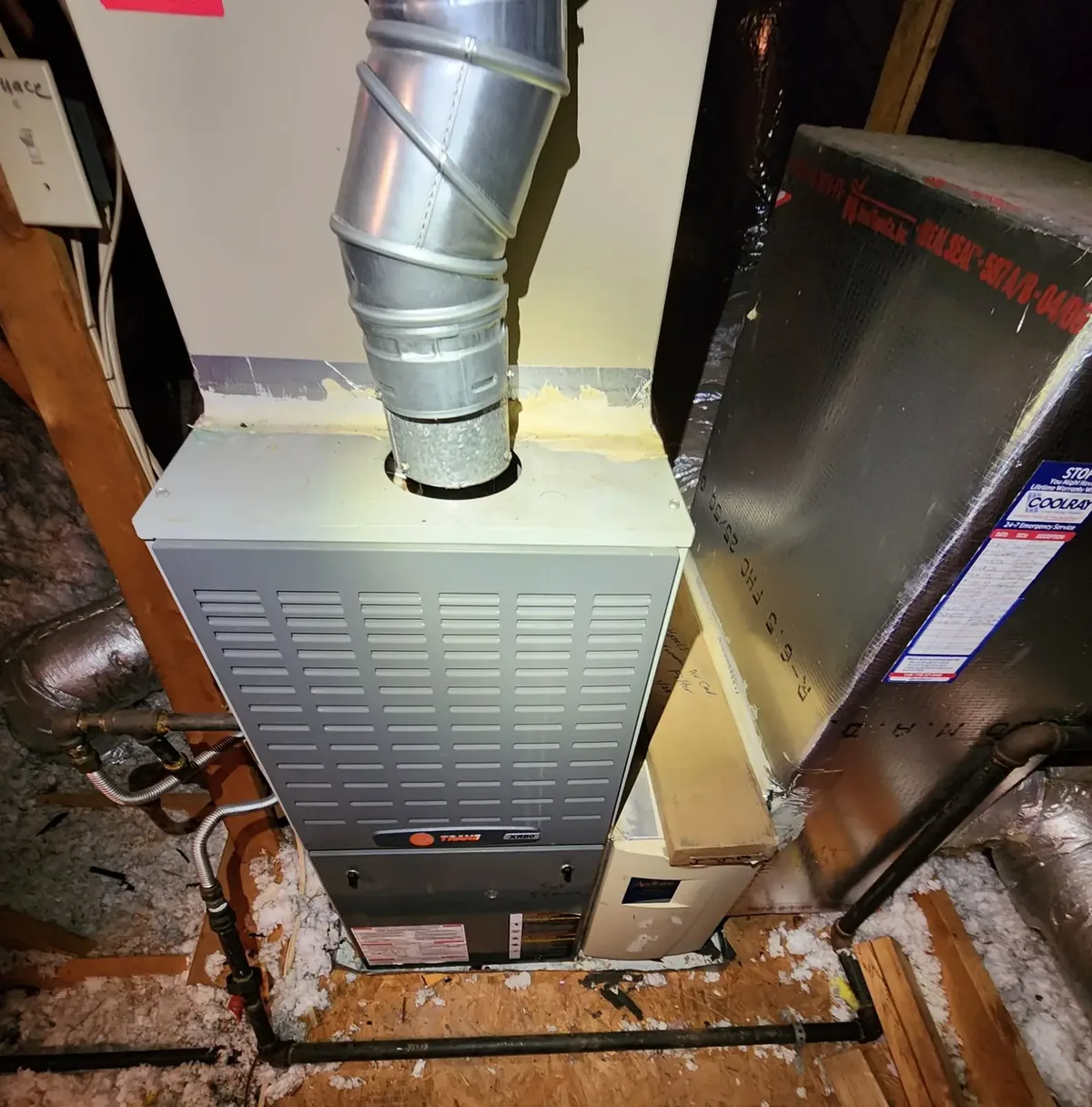
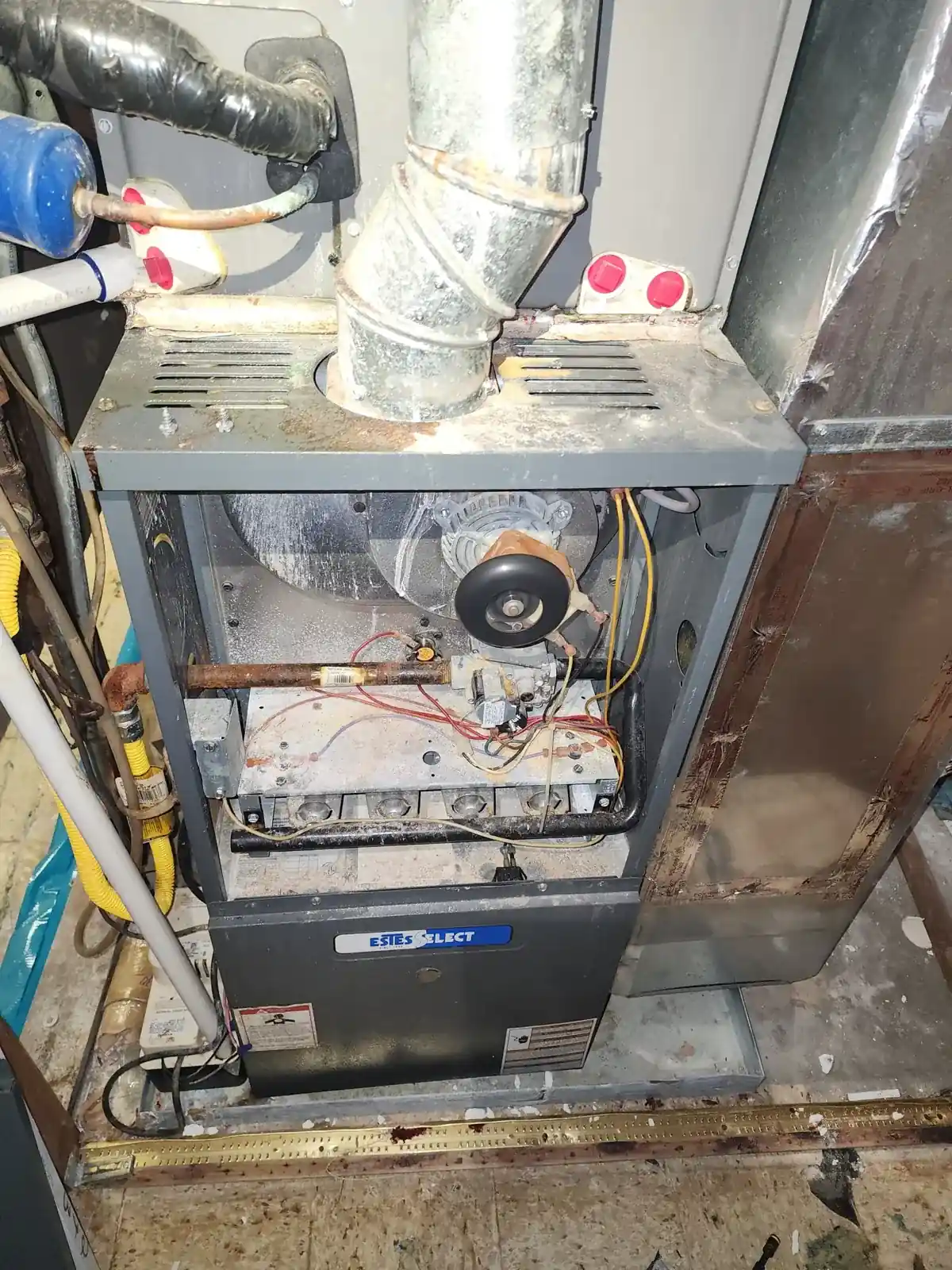
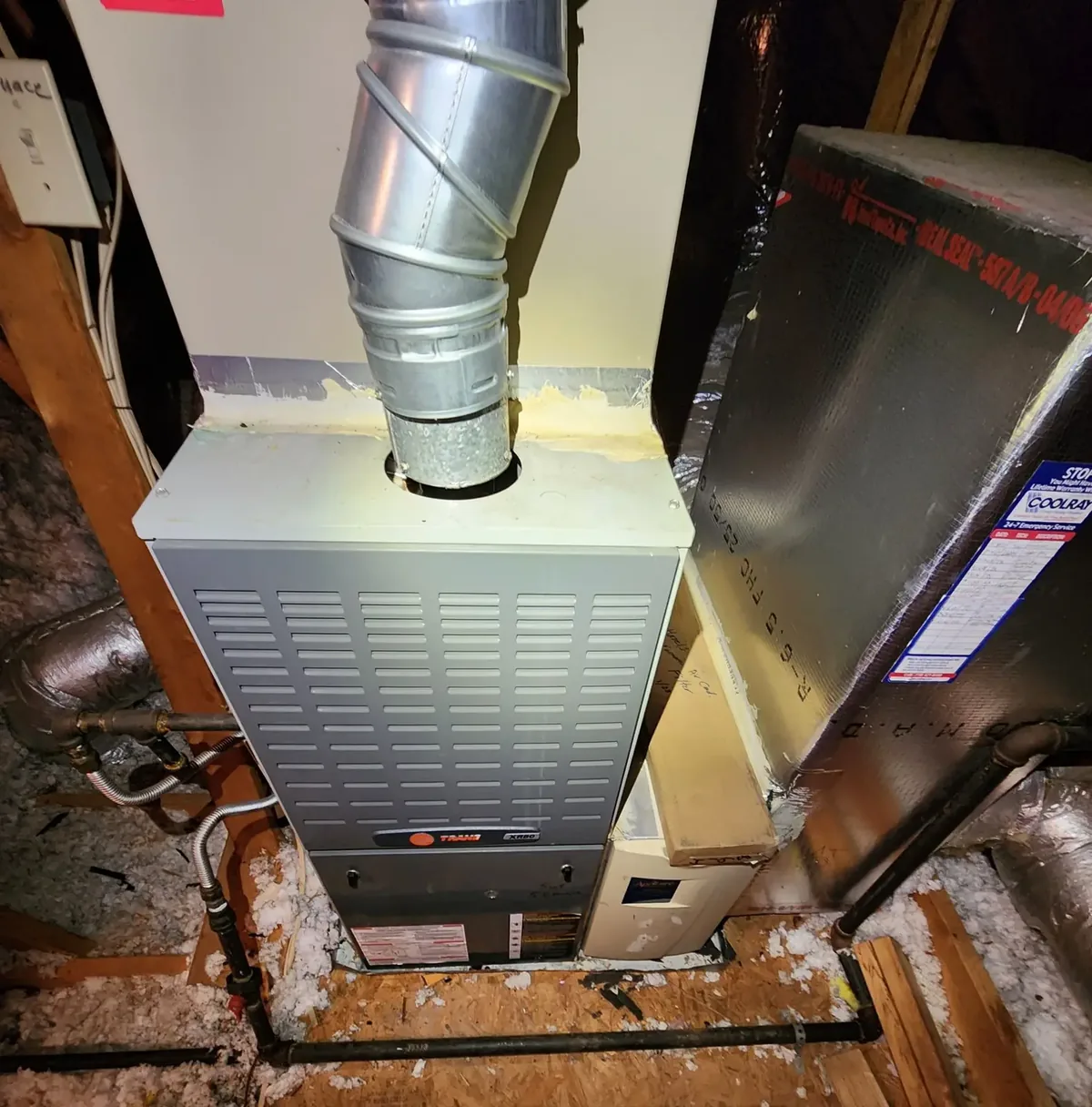
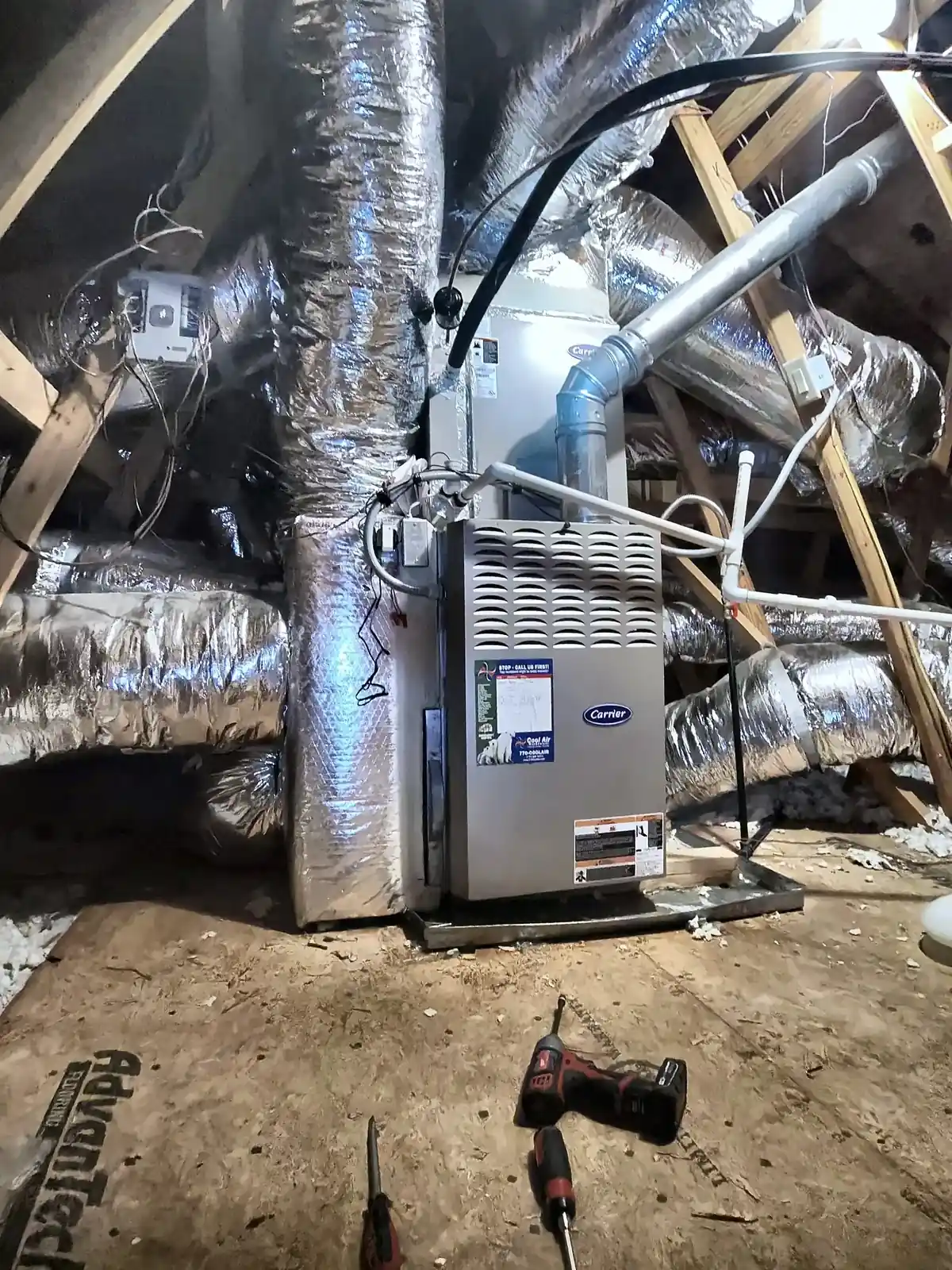
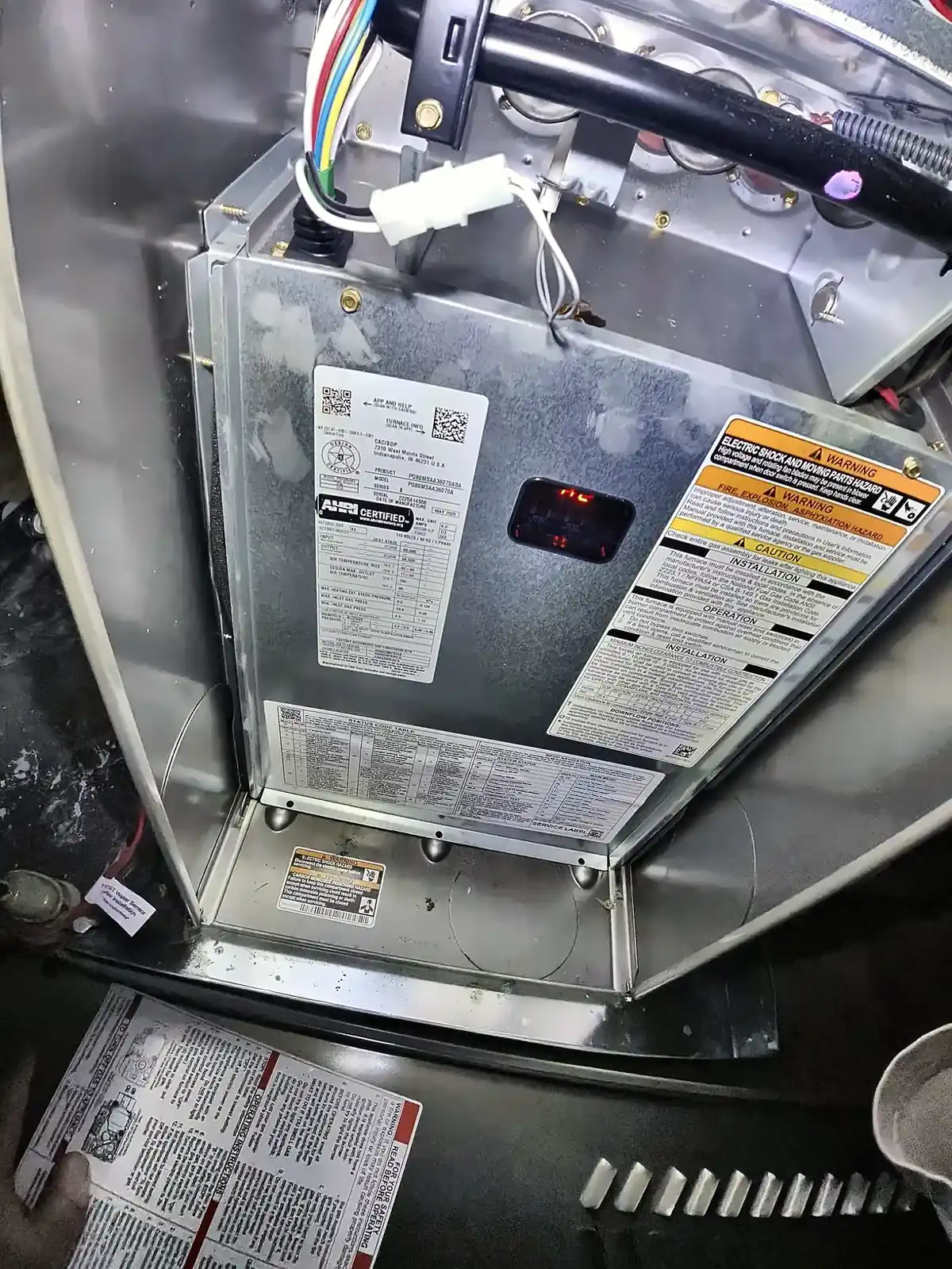
High-efficiency furnaces usually have two white plastic pipes running outside, and a small plastic tube coming out of the cabinet that runs to a floor drain, a utility sink, outside, or a small pump with a plastic tank. That tube is the condensate drain.
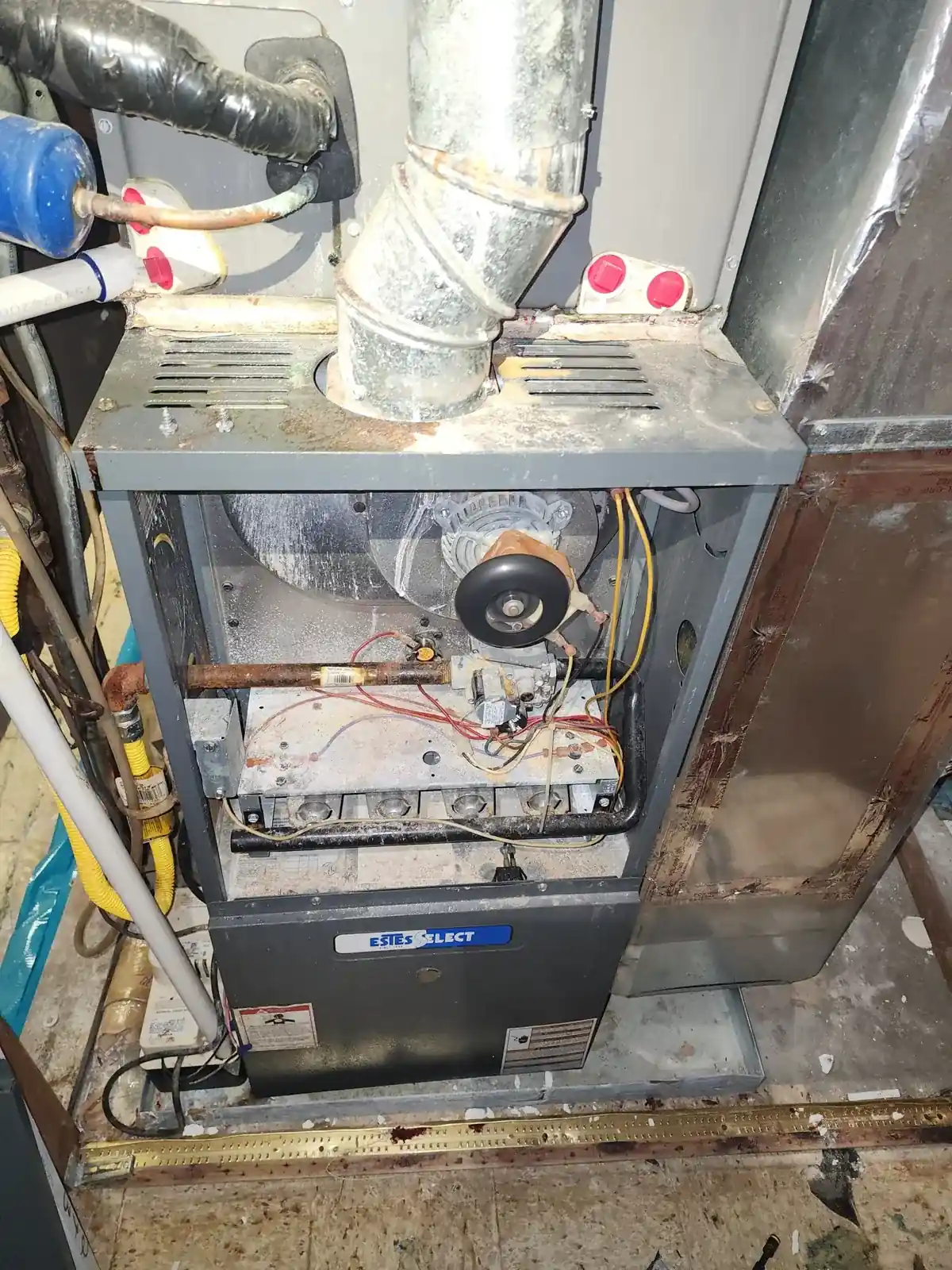
Older furnaces with a metal flue pipe that goes up through the roof usually do not have one. If you are not sure which you have, the white plastic pipes are the easy giveaway.
Find where your furnace drain line ends now, while the heat is working. You will want to know when it is not.
Source: ENERGY STAR — Furnaces
Signs the drain is clogged or frozen
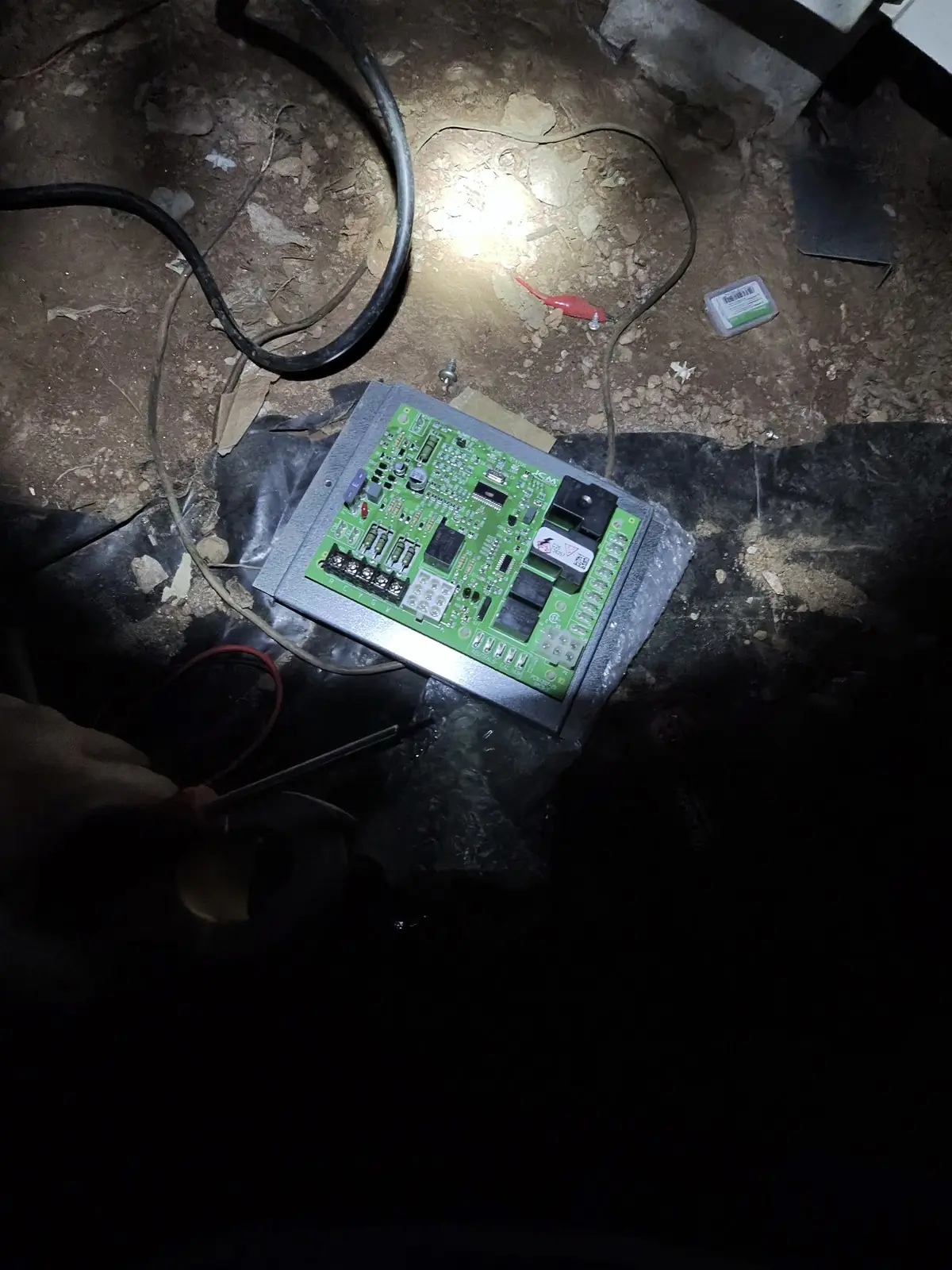
Watch for water on the floor around the furnace, a pump that runs constantly or never runs, gurgling sounds, or a furnace that starts, runs for a minute and shuts back off over and over. If the drain line runs outside, a hard freeze can ice up the end of it, and the furnace may stop until it thaws.
Check that the tube is not kinked, crushed behind stored boxes, or sitting in a puddle at the end. Keep the end of an outside drain line clear of leaves and mulch. Do not remove the furnace panels, cut the line, or unplug and rewire a condensate pump.
If you see water around the furnace, turn the heat off at the thermostat and soak it up so it does not reach anything electrical. Then call.
When to call for service
A clogged trap inside the furnace, a failed condensate pump, or a pressure switch that keeps tripping all need a technician. Resetting the furnace again and again does not fix the drain, and it can let water back up into parts that should stay dry.
If you smell gas, do not touch light switches or the thermostat. Get everyone out of the house, then call the gas utility from outside. If a CO alarm sounds, get out and call 911.
Furnace shutting off and water where it should not be? Call me at (470) 999-7395. A $79 diagnostic is how I find out whether it is the drain, the pump or something else.