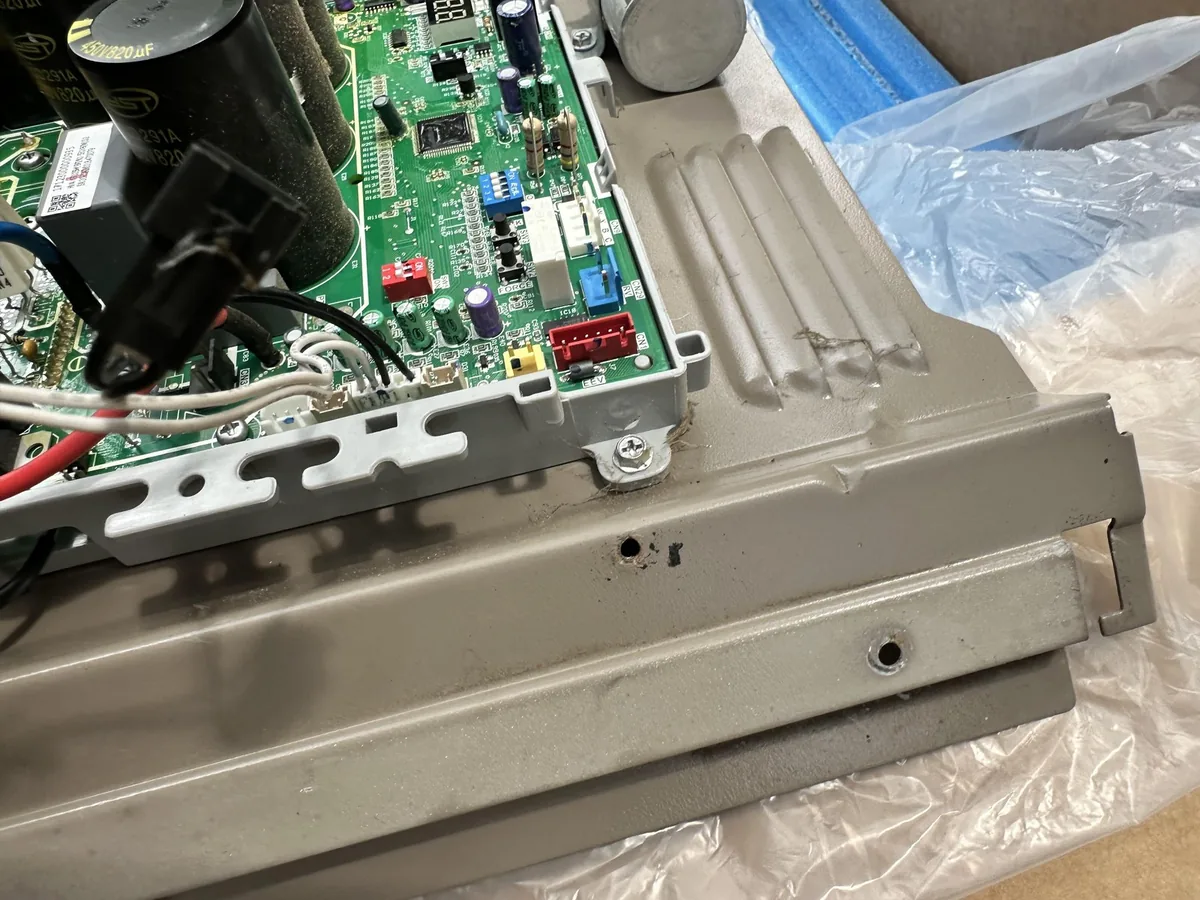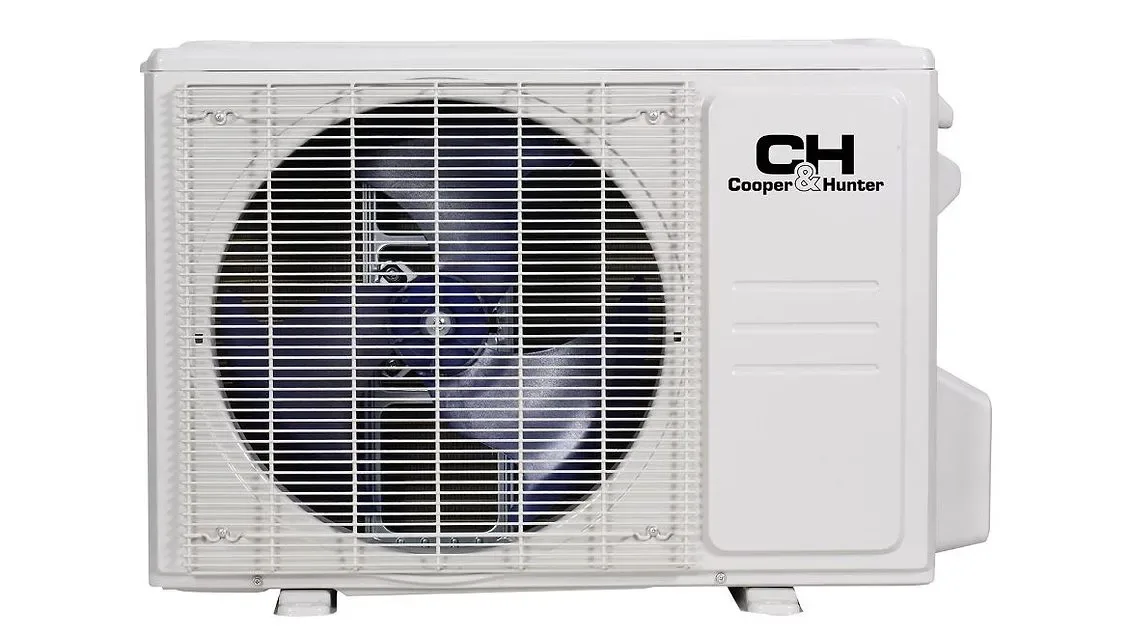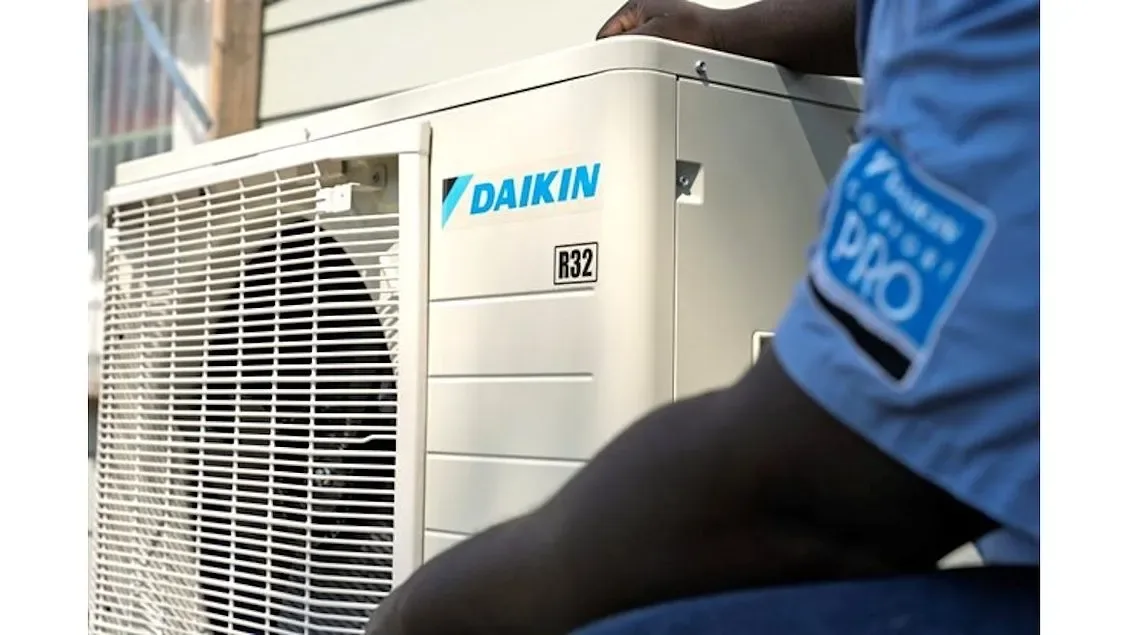
Daikin builds leak protection right into a new R-32 system
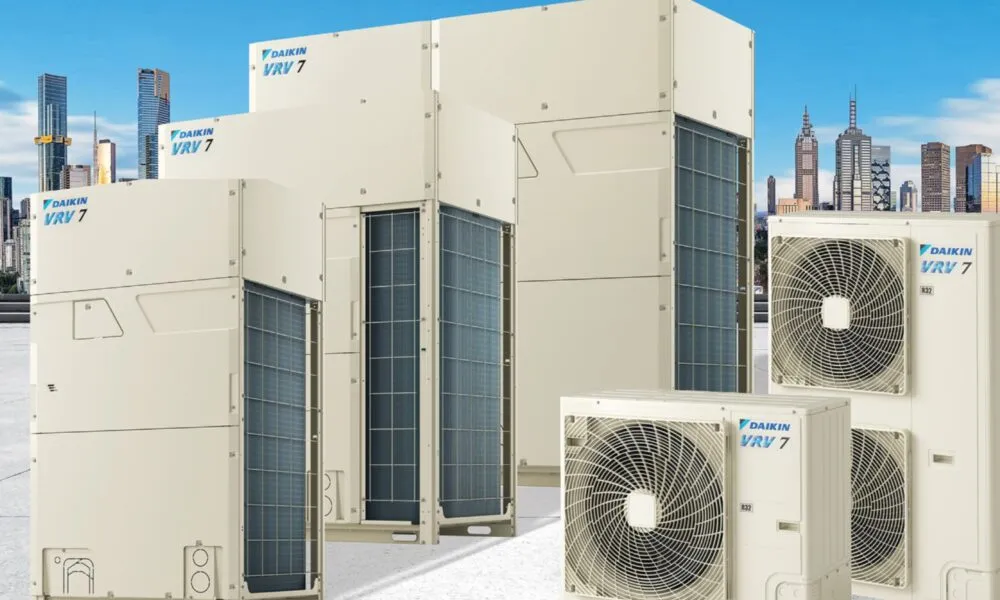
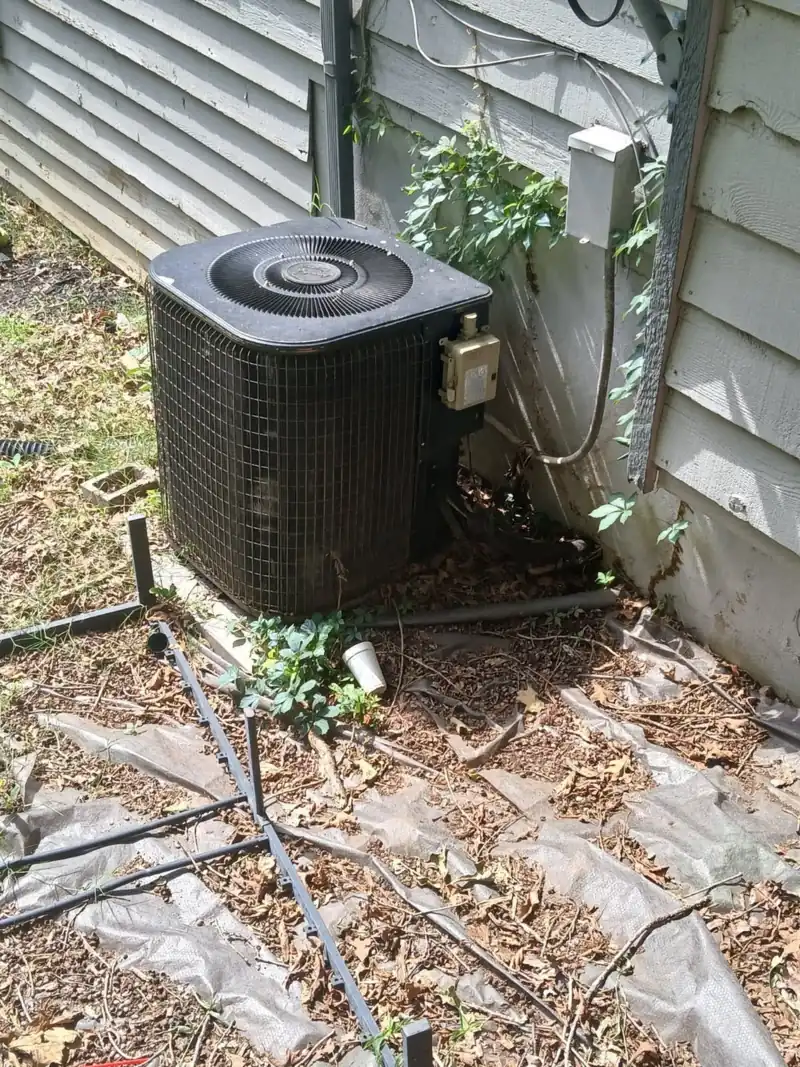
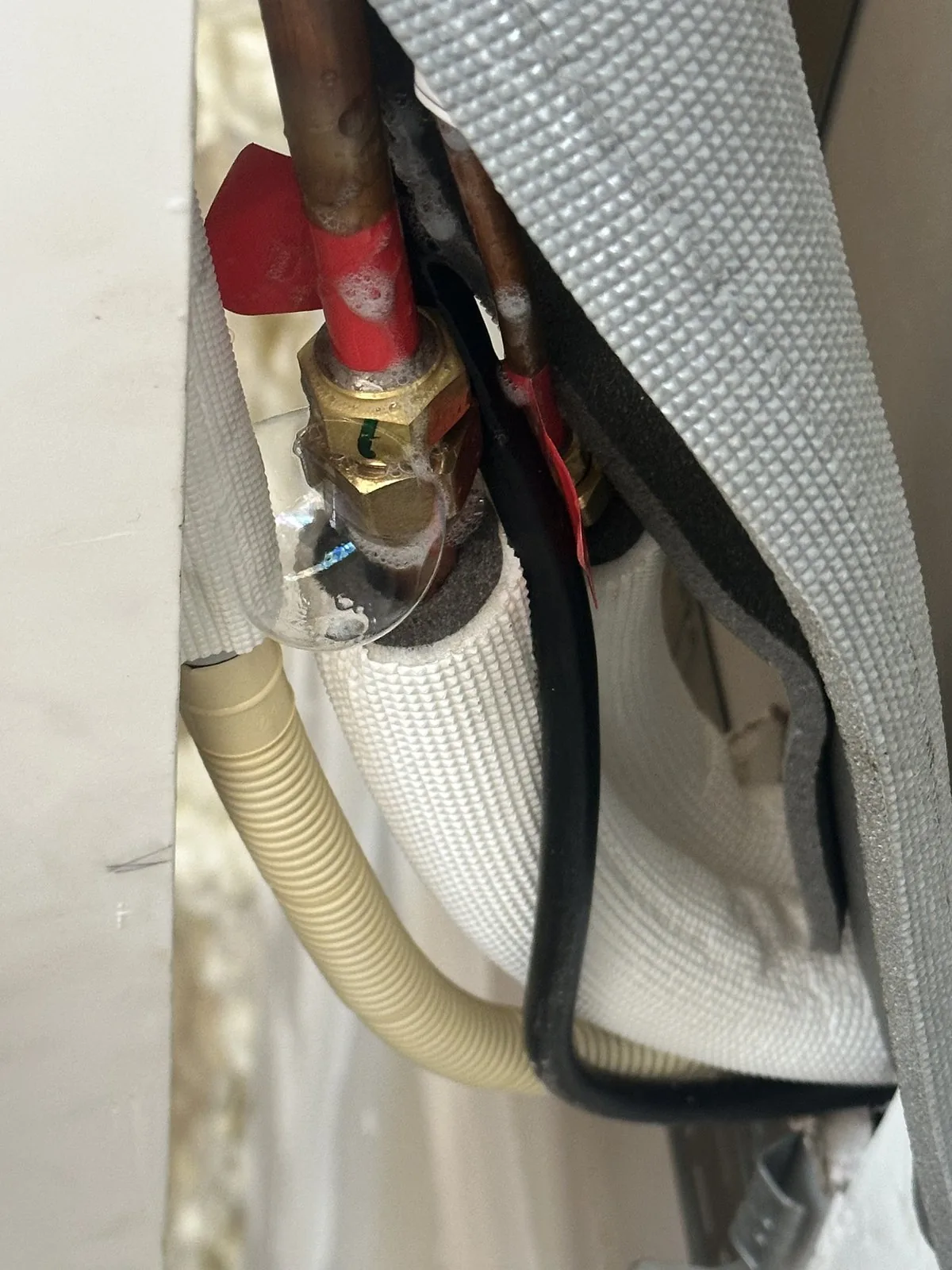
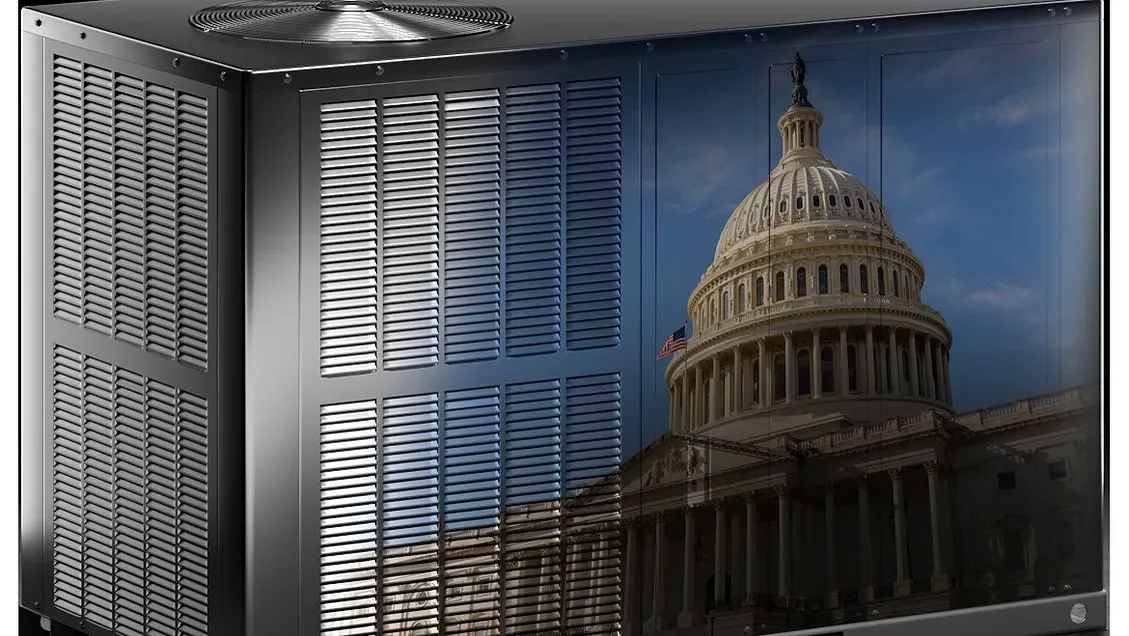
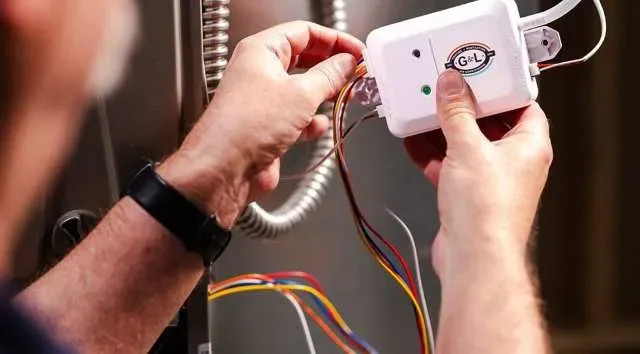
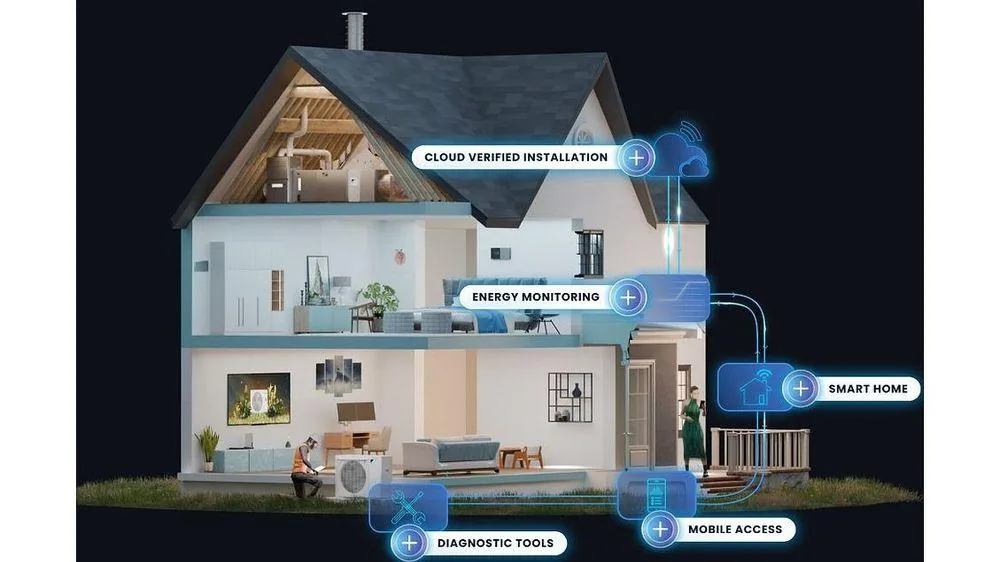
Daikin Australia's new VRV 7 brings R-32 refrigerant into its larger commercial systems, with leak detection and safety shut-off designed in from the start. The big idea is that refrigerant amount, room size, sensors and shut-off all get planned together instead of bolted on later. This is overseas commercial equipment, not a new Georgia rule.
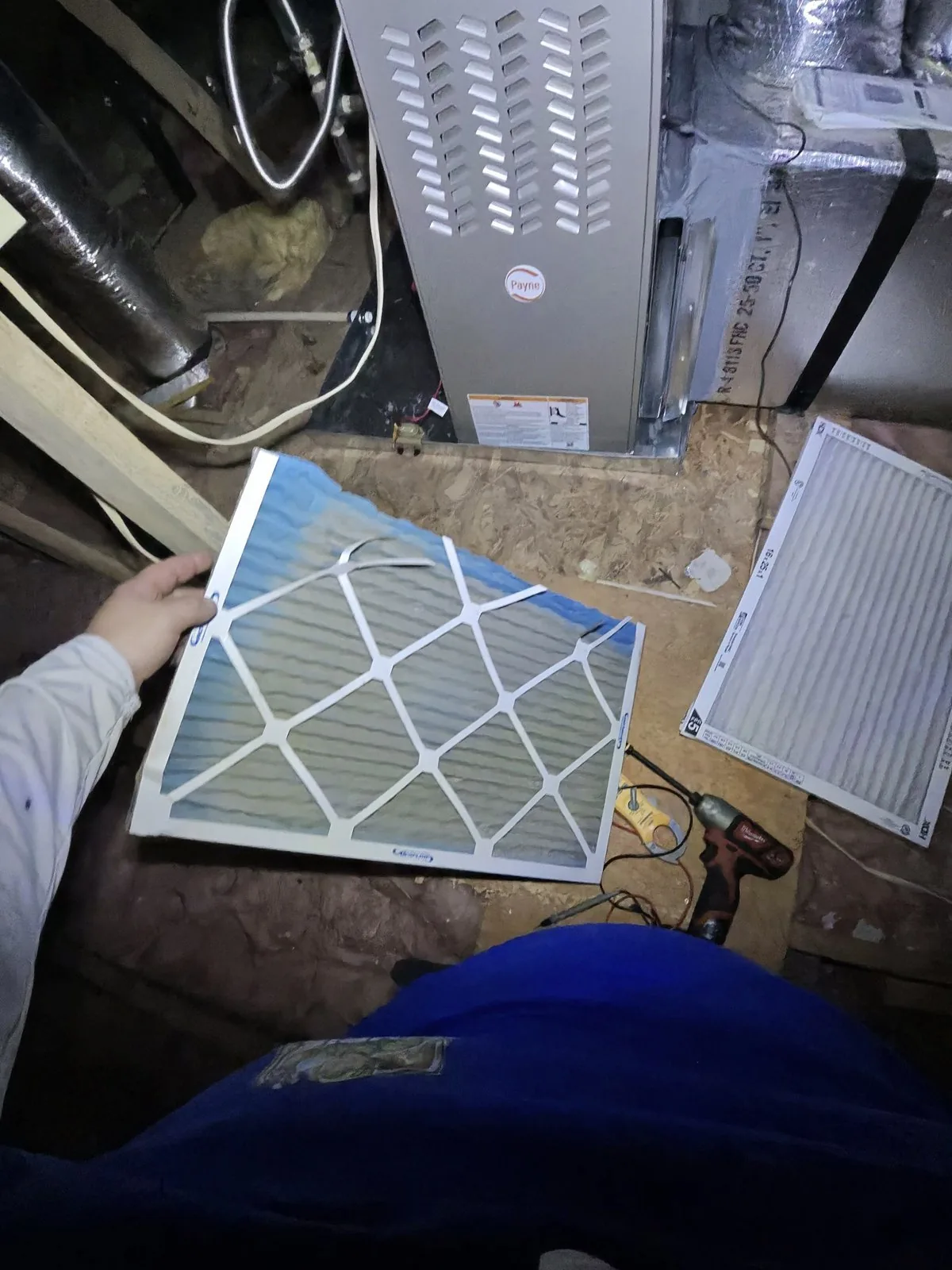
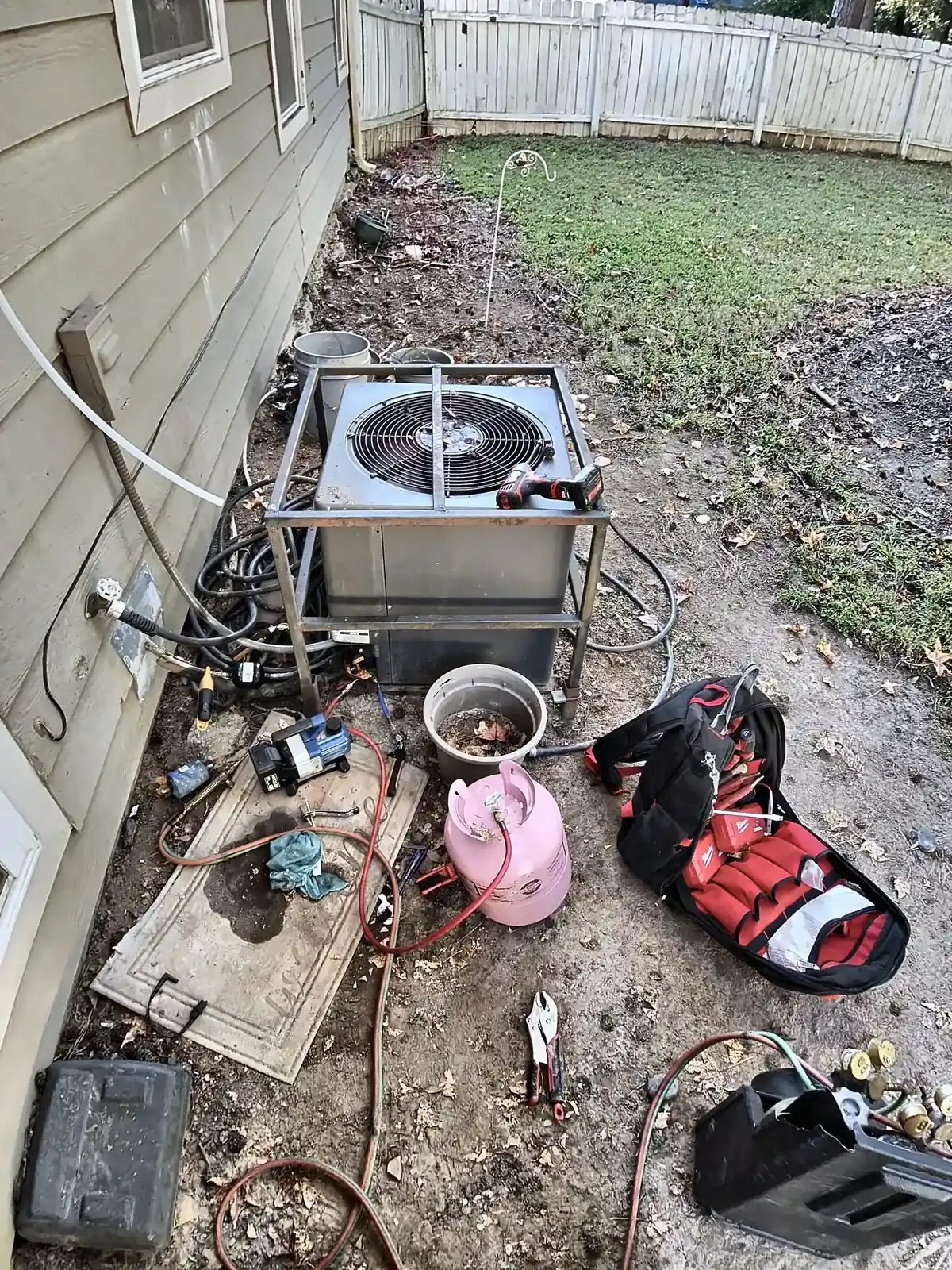
Newer home systems use these A2L refrigerants too, and they come with their own sensor and safety requirements. Refrigerant work is never DIY. If you're shopping for a new system, ask which refrigerant it uses and how it handles leaks. If your current unit is acting up, call me for a $79 diagnostic.
Source: Thermal Control Business Update
Washington's vote on propane refrigerant needs context

Washington's state code council voted to allow certain installs using A3 refrigerants like propane, with experimental-use limits and safety approvals attached. Industry groups and fire officials pushed back. Propane-type refrigerants are a different safety class than the R-32 and R-454B in most new home systems. This is Washington policy only, and it doesn't change how equipment gets installed here in Georgia.
If you hear about "propane AC" online, don't assume it applies to your house. Any refrigerant swap or recharge is a job for a trained tech, never a DIY kit.
Source: Homepros
Meta's Spaces turn a prompt into a reusable planner

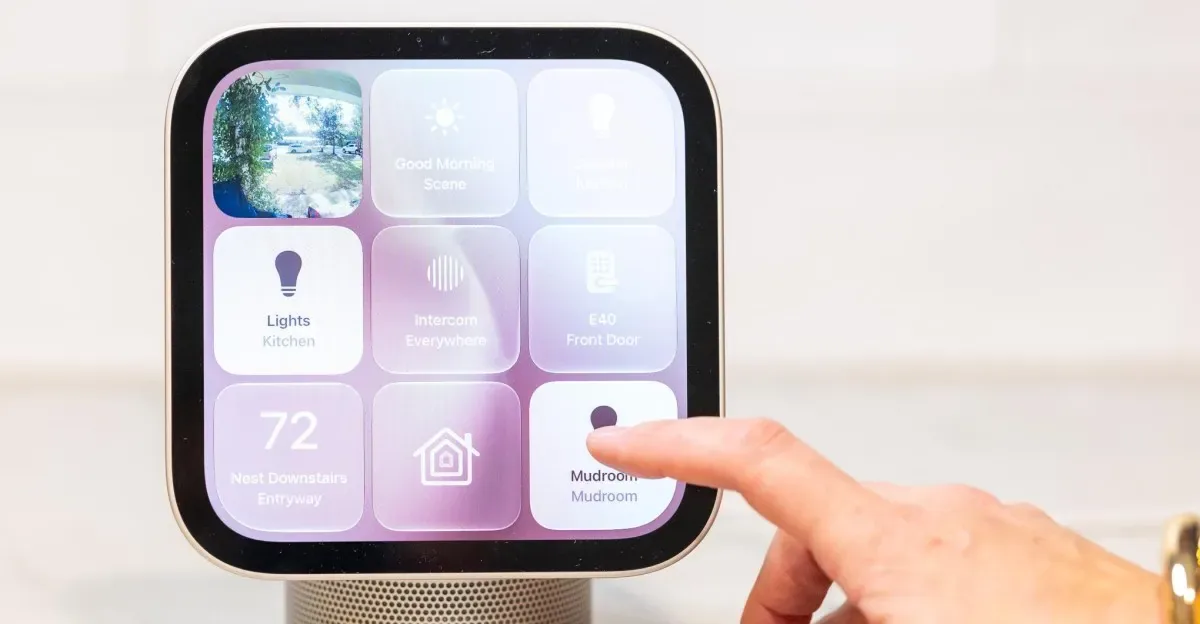
Meta added Spaces to its Muse app. You describe a planner, tracker or project board, and the app builds it and keeps it so you can come back to it. Connected apps can feed it updates in the background. Shared spaces for groups are still being explored, not promised yet.
Handy for a home-maintenance checklist, like filter changes, smoke alarm tests and gutter cleaning. Be careful what you connect, though. Don't link bank, email or customer info unless you're comfortable with the permissions.
Source: Meta
DJI's new industrial drone sees heat, distance and through haze
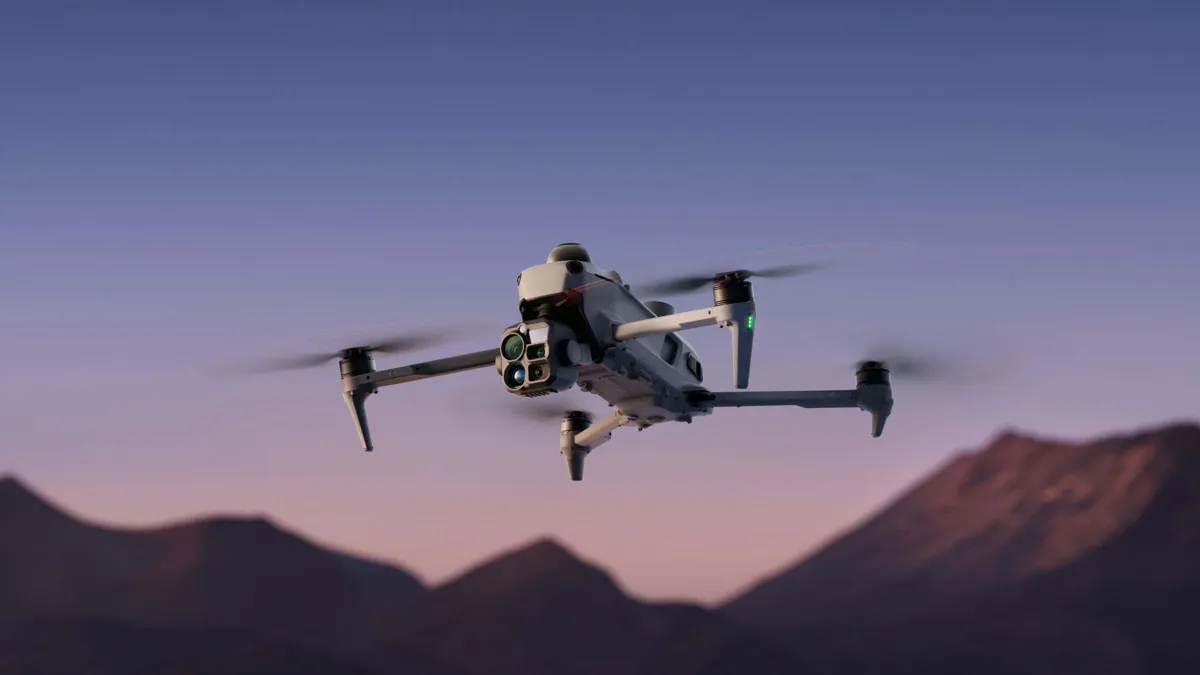
DJI's Matrice 5T packs a thermal camera, LiDAR and radar into a folding drone built for inspection and rescue work. It's professional gear, not a hobby drone. The interesting part is how the sensors work together when smoke, fog or darkness makes a normal camera useless. Treat the specs as the maker's claims, and don't assume it's sold in the U.S. yet.
Thermal imaging is the same idea techs use to spot missing insulation, air leaks and hot spots. Never climb on a roof to check things yourself, and if a thermal check ever shows a hot outlet, switch or panel, call a qualified electrician.
Source: Gizmochina
Safety reminder from me
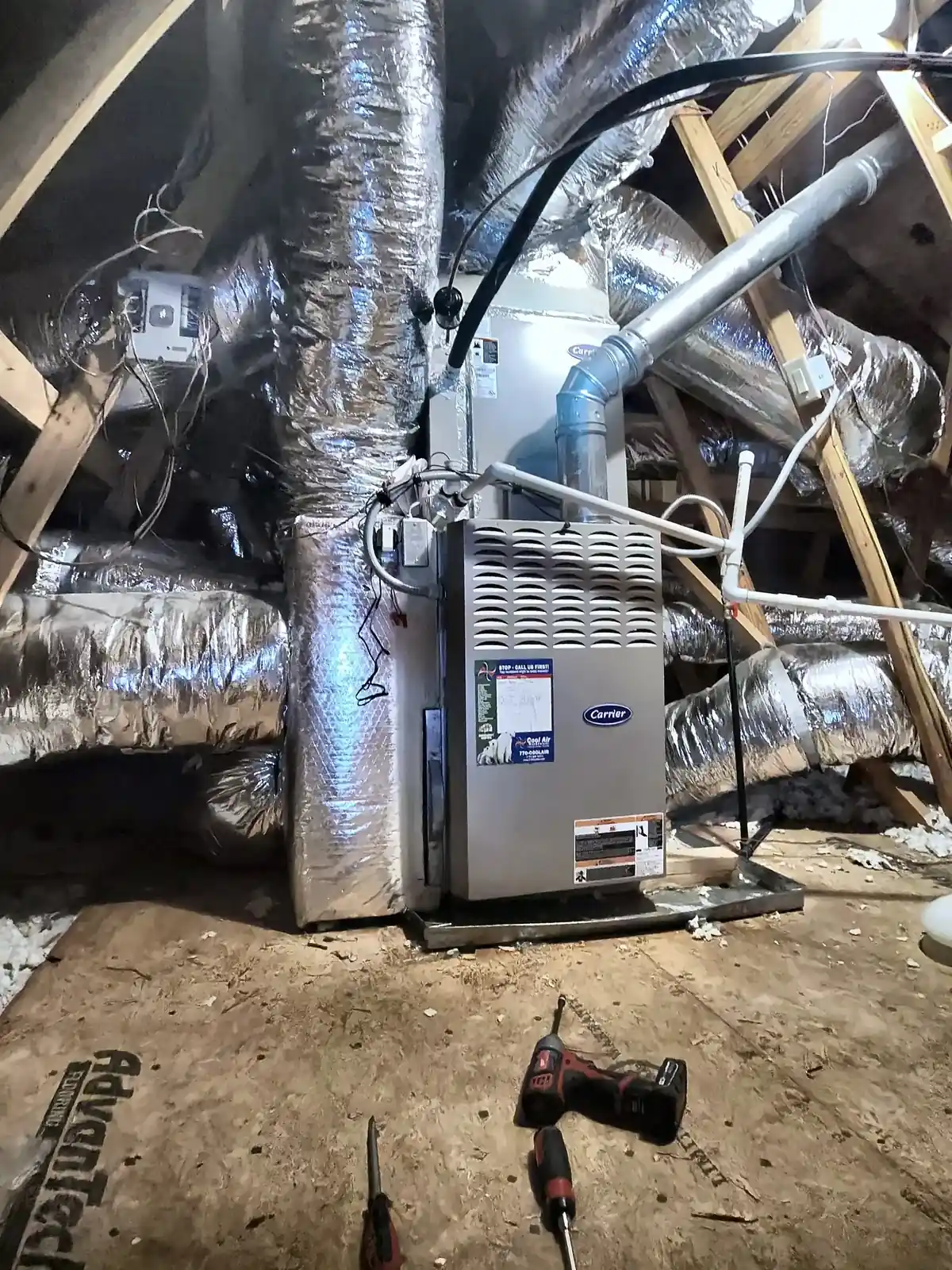
Cold nights are when furnaces, water heaters and space heaters work hardest. If you smell gas, leave the house first and call your gas company from outside. Never open up gas lines, refrigerant lines or your electrical panel yourself. For anything electrical inside the panel, call a qualified electrician. For heating trouble, I can help with a $79 diagnostic or a $79 tune-up.