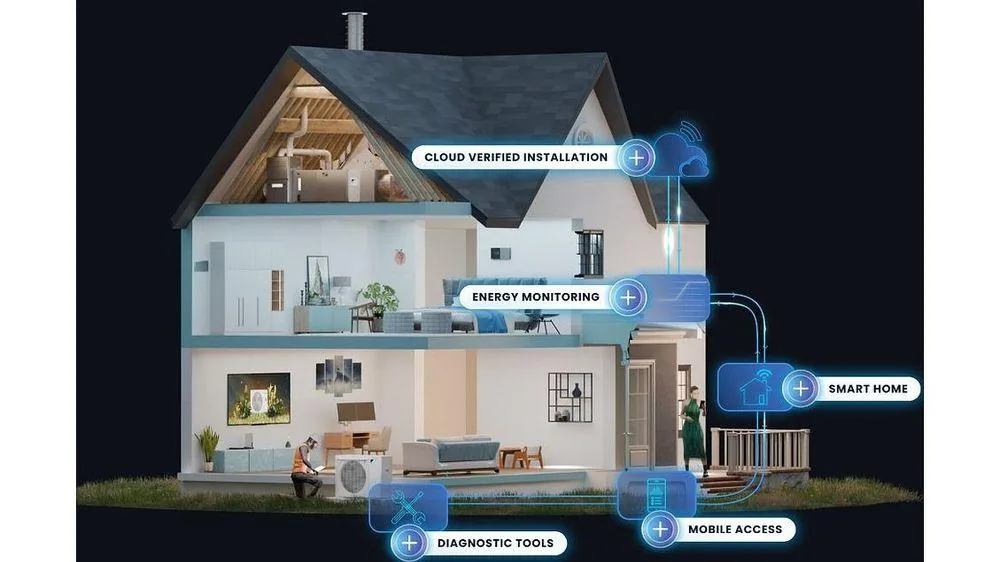
Test every alarm, every level

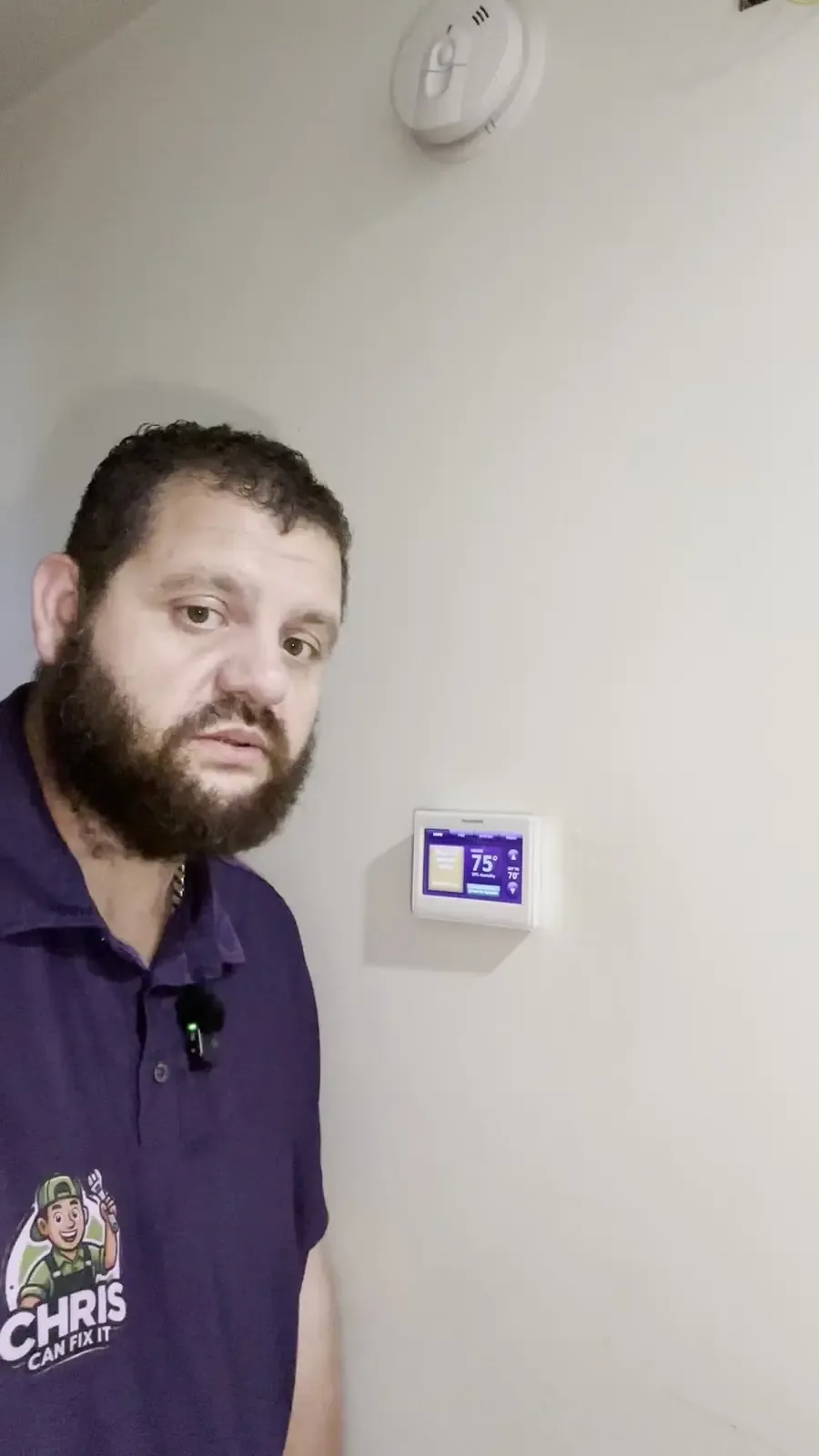
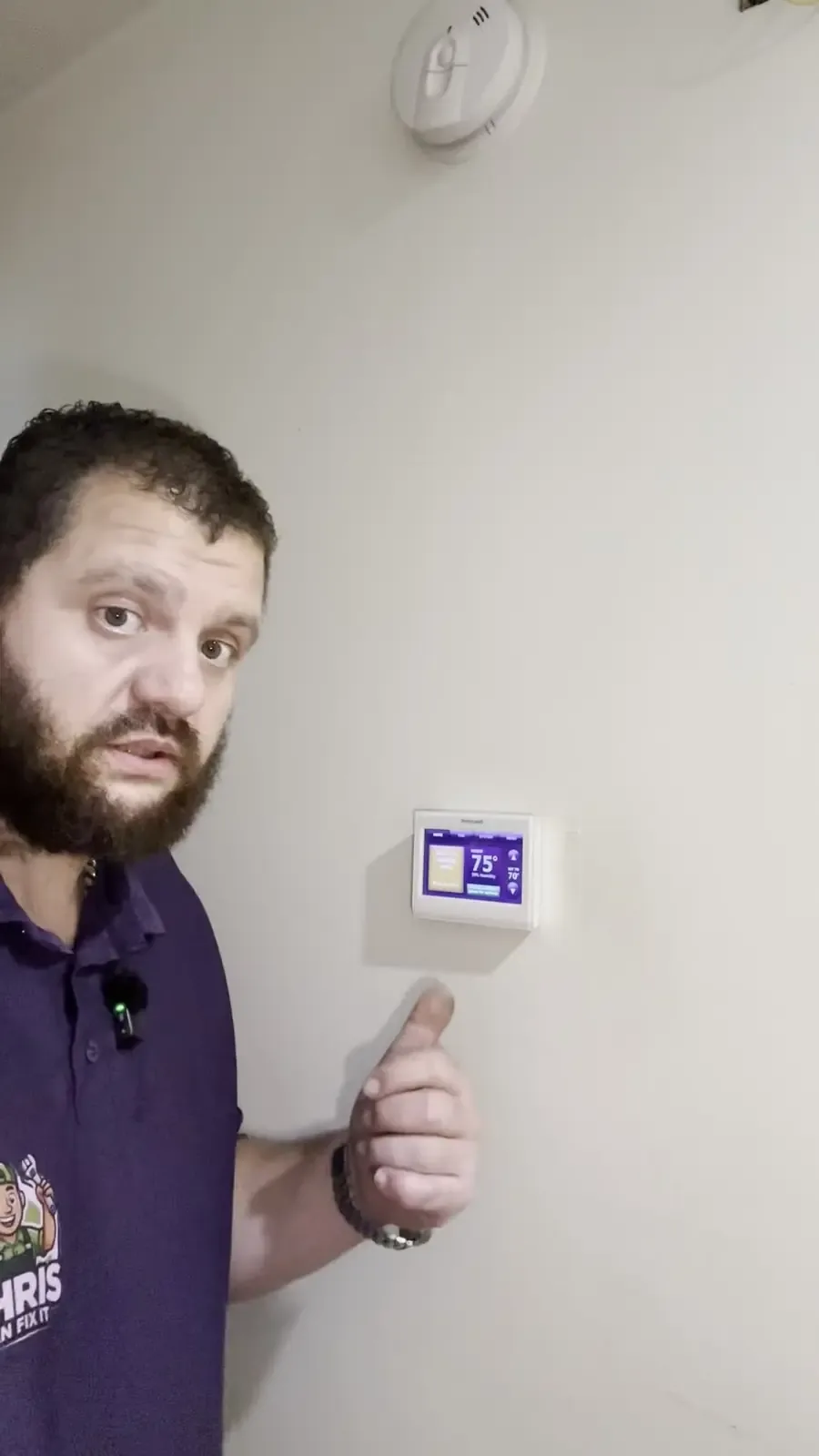
Press and hold the test button on each smoke alarm until you hear the loud beep, beep, beep. If it's quiet or weak, change the battery and test again. Do this once a month, and use the clock change as your reminder to swap batteries in alarms that take them.
While you're at it, make sure you have enough alarms. You want one inside each bedroom, one outside the sleeping areas like the hallway, and one on every level of the house, including the basement.
Use a broom handle to press the test button on high ceilings, so you don't have to stand on a chair. And if you're doing this at night, give everyone in the house a heads-up first.
Source: NFPA
Source: U.S. Fire Administration
Check the date on the back
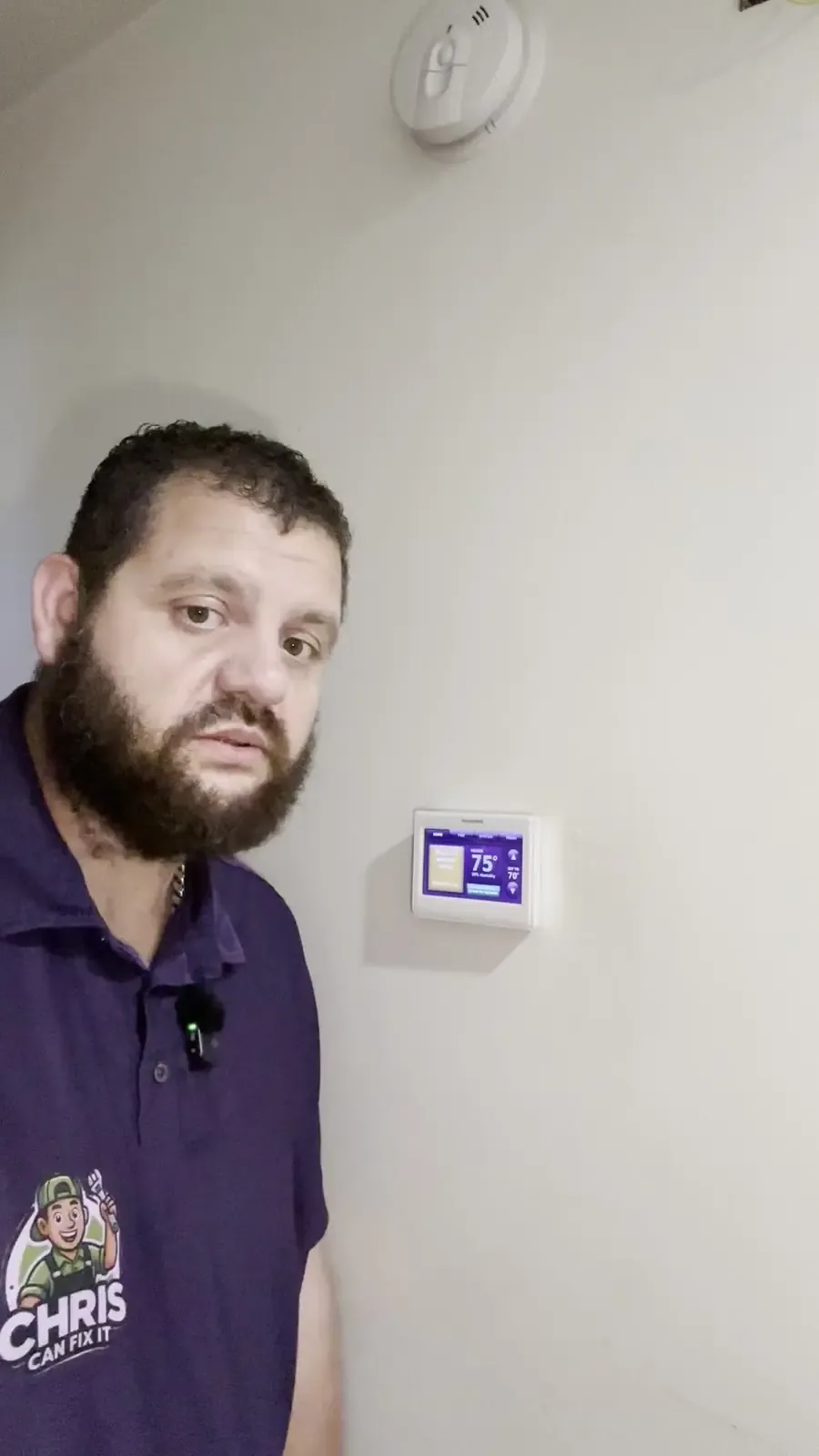
Smoke alarms don't last forever. Every alarm needs to be replaced 10 years after the date it was made, even if the test button still works. Twist the alarm off its base and look for the manufacture date printed on the back.
A single chirp every 30 to 60 seconds means a low battery. If it keeps chirping after you put in a fresh battery, the alarm is at the end of its life and the whole unit needs to go.
When you replace an old alarm, write the install date on it with a marker. Battery-only alarms are an easy swap. If yours are hardwired into the house wiring, have a qualified electrician replace them.
Don't forget the CO alarms
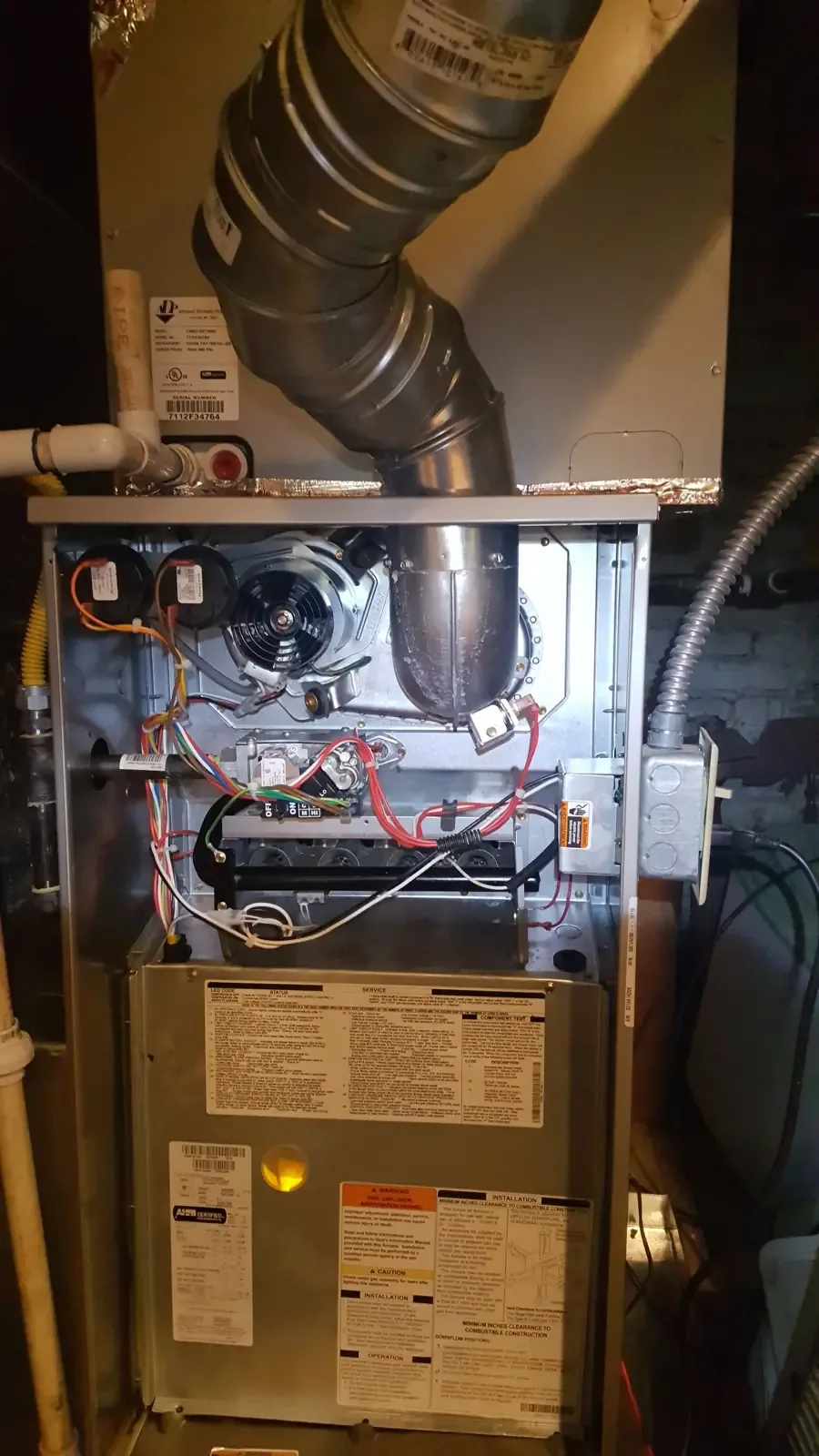
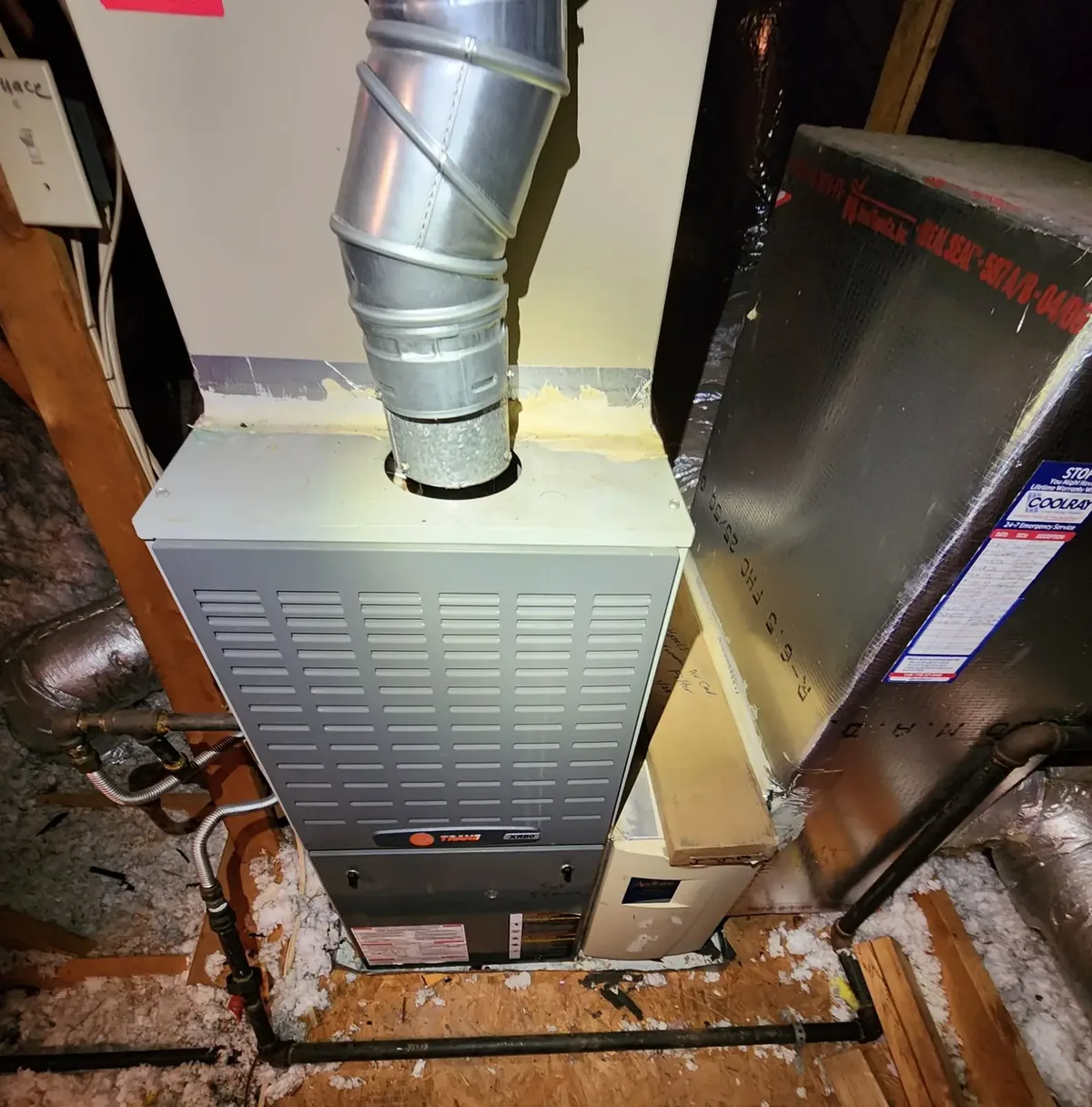
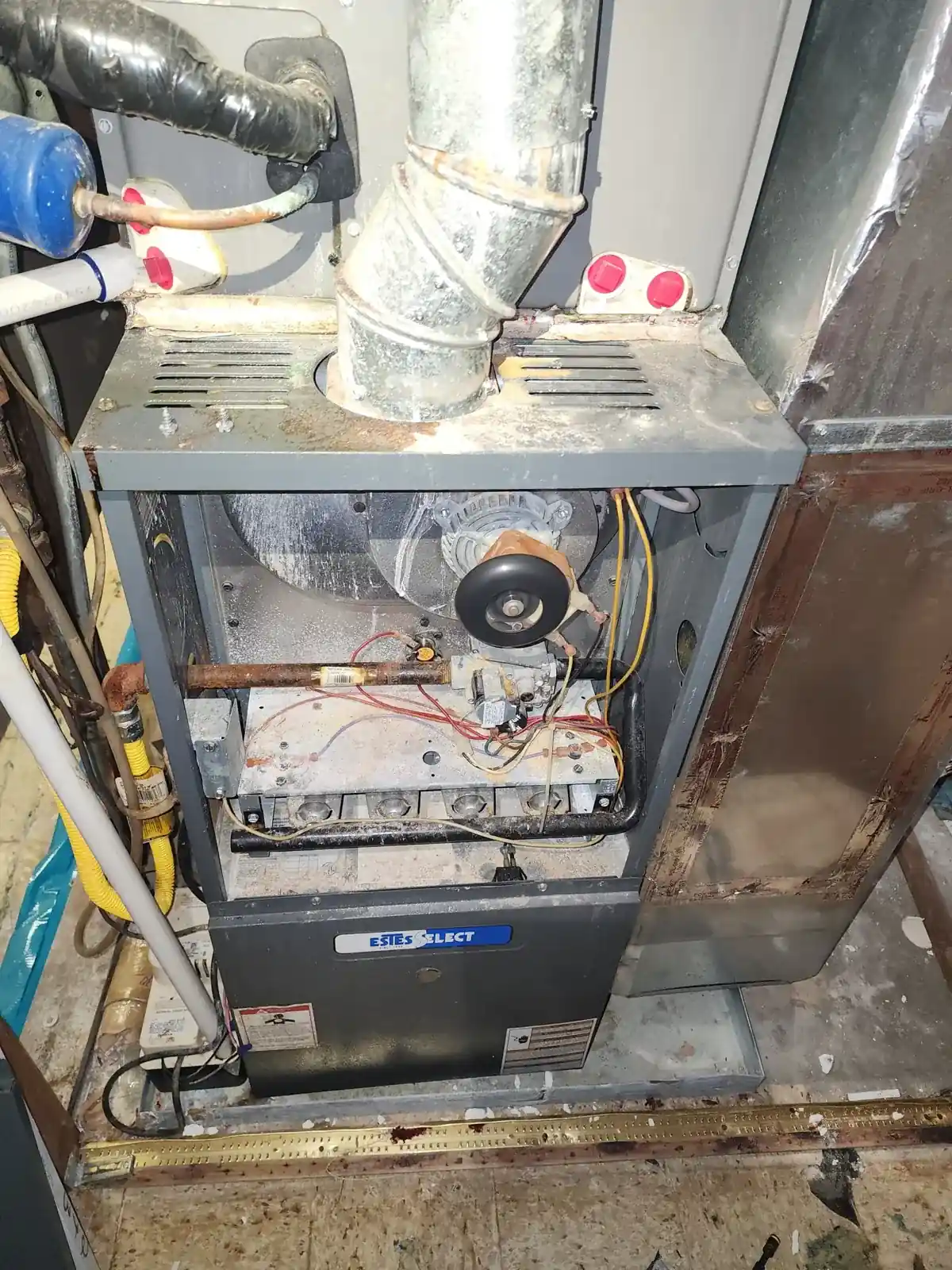
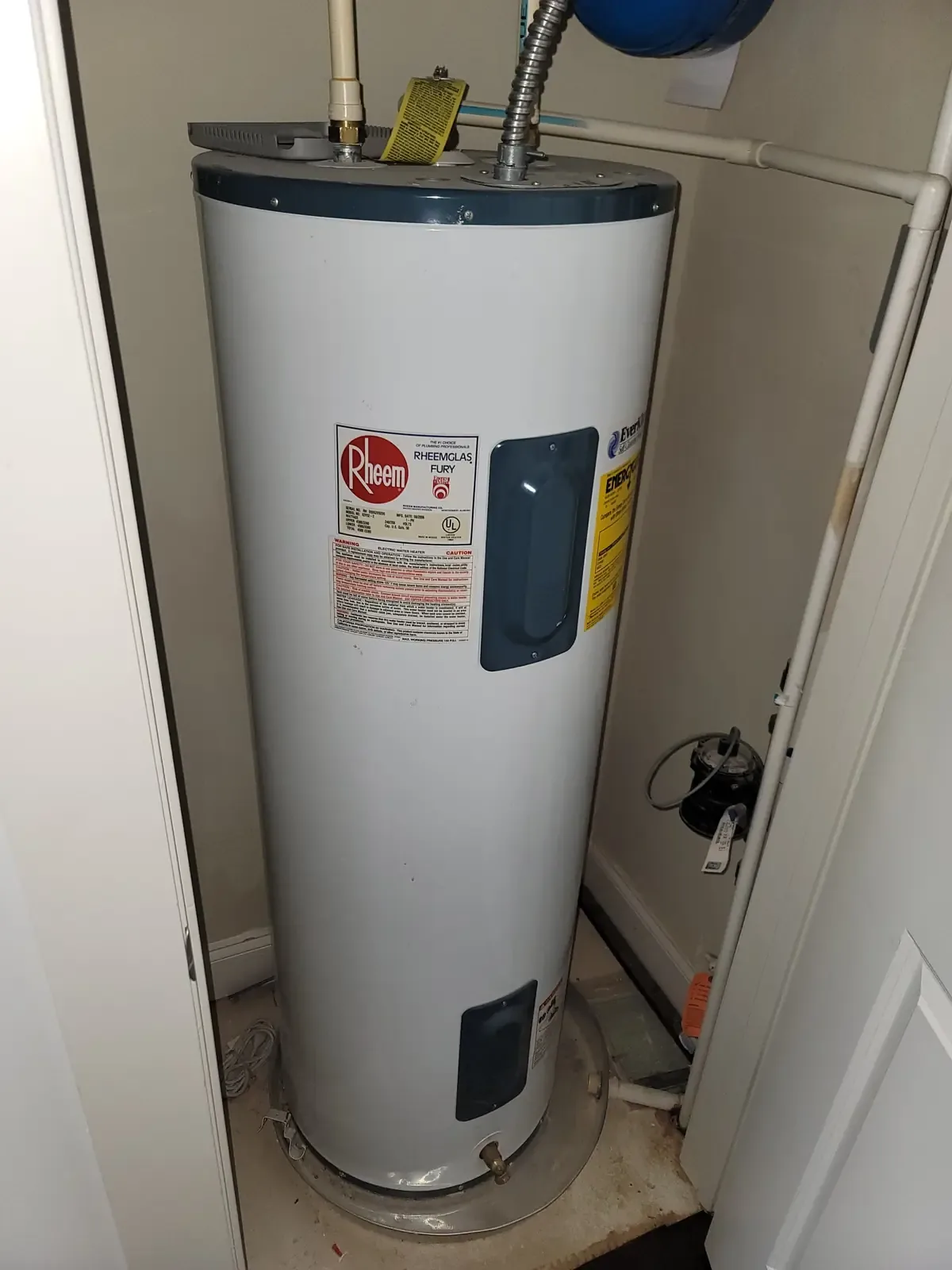
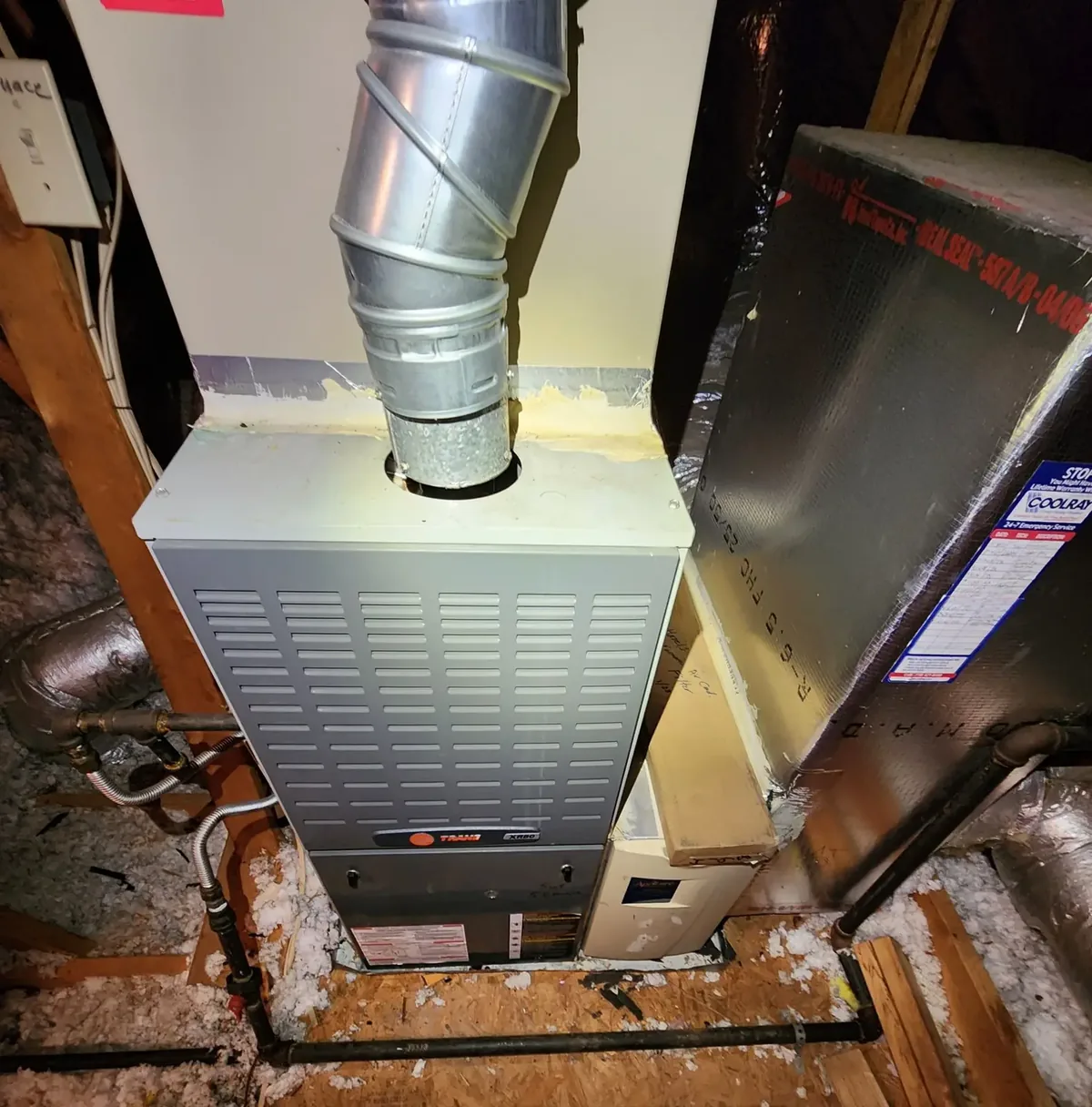
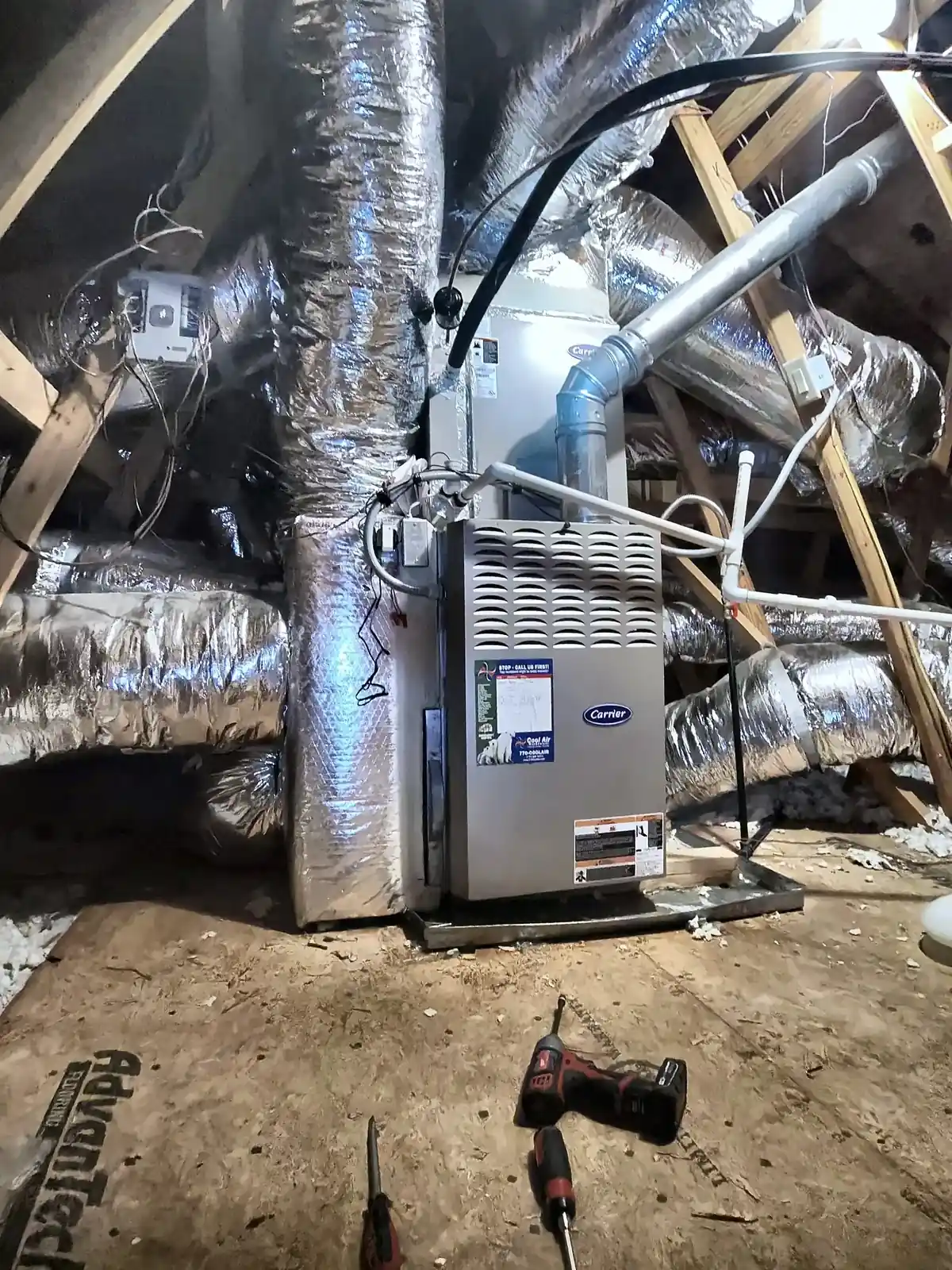
Smoke alarms and carbon monoxide alarms do different jobs. A smoke alarm won't warn you about CO, the invisible gas that can come from a furnace, water heater or other fuel-burning appliance that isn't venting right. If you heat with gas, have a fireplace or an attached garage, you want a CO alarm on every level and near the bedrooms. Test those today too, and check their dates.
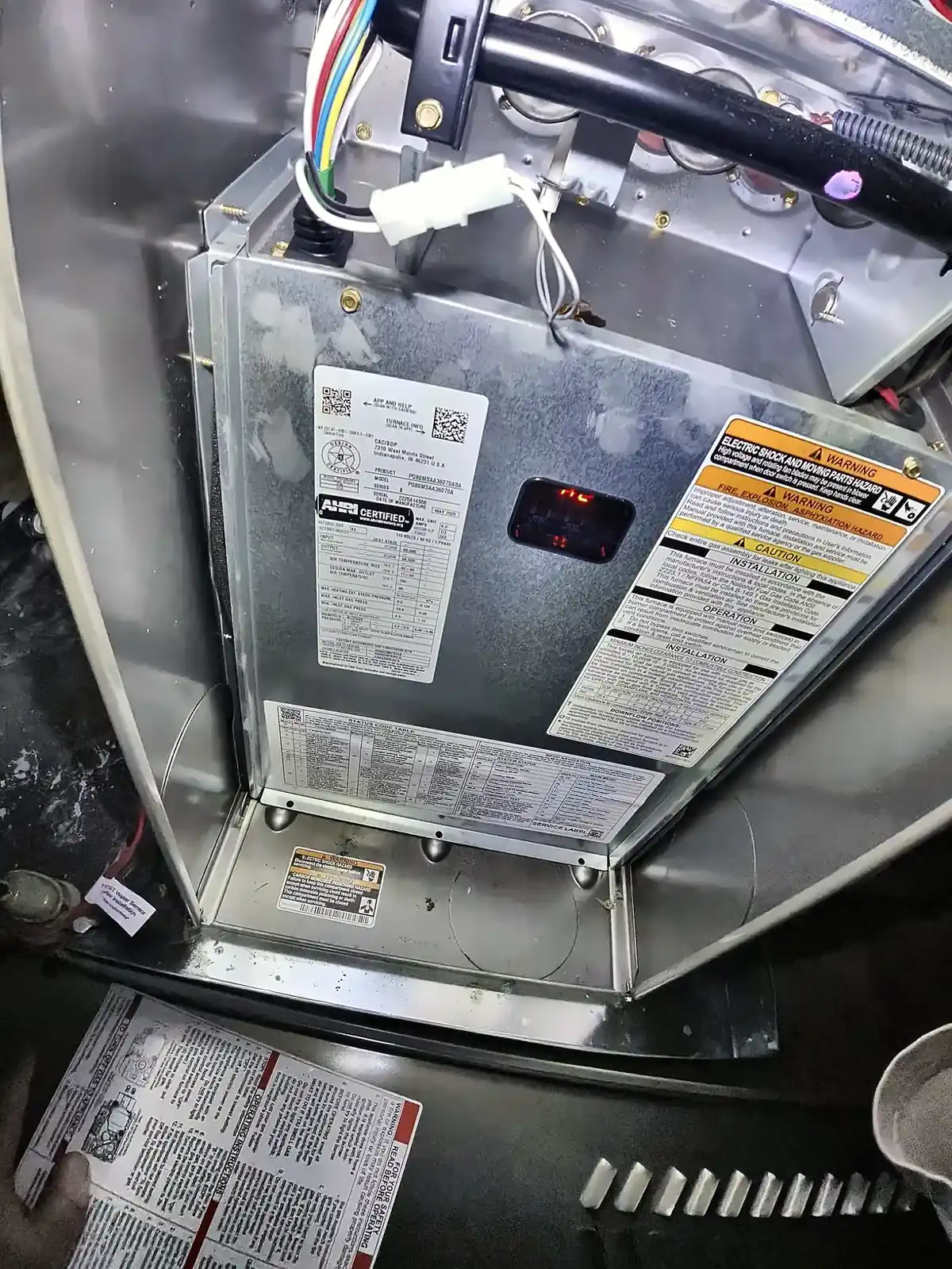
If a smoke alarm sounds, get out, call 911 and stay out. If a CO alarm goes off, do the same and don't go back in until the fire department says it's safe. And if it's been a while since anyone looked at the furnace venting, call me at (470) 999-7395. A $79 tune-up includes a safety check of the furnace before the real cold sets in.