Why the air gets so dry
Cold outdoor air holds very little moisture. When that air leaks into your house and gets heated, its relative humidity drops a lot, so the air inside feels dry. Heating systems don't remove moisture, but the more outside air leaks in, the drier the house tends to feel.
The EPA says the moisture a humidifier adds can help with dry nose, throat, lips and skin, and with winter nuisances like static and cracks in paint and furniture. It also recommends not going above 50 percent relative humidity indoors, since higher levels can encourage mold and dust mites.
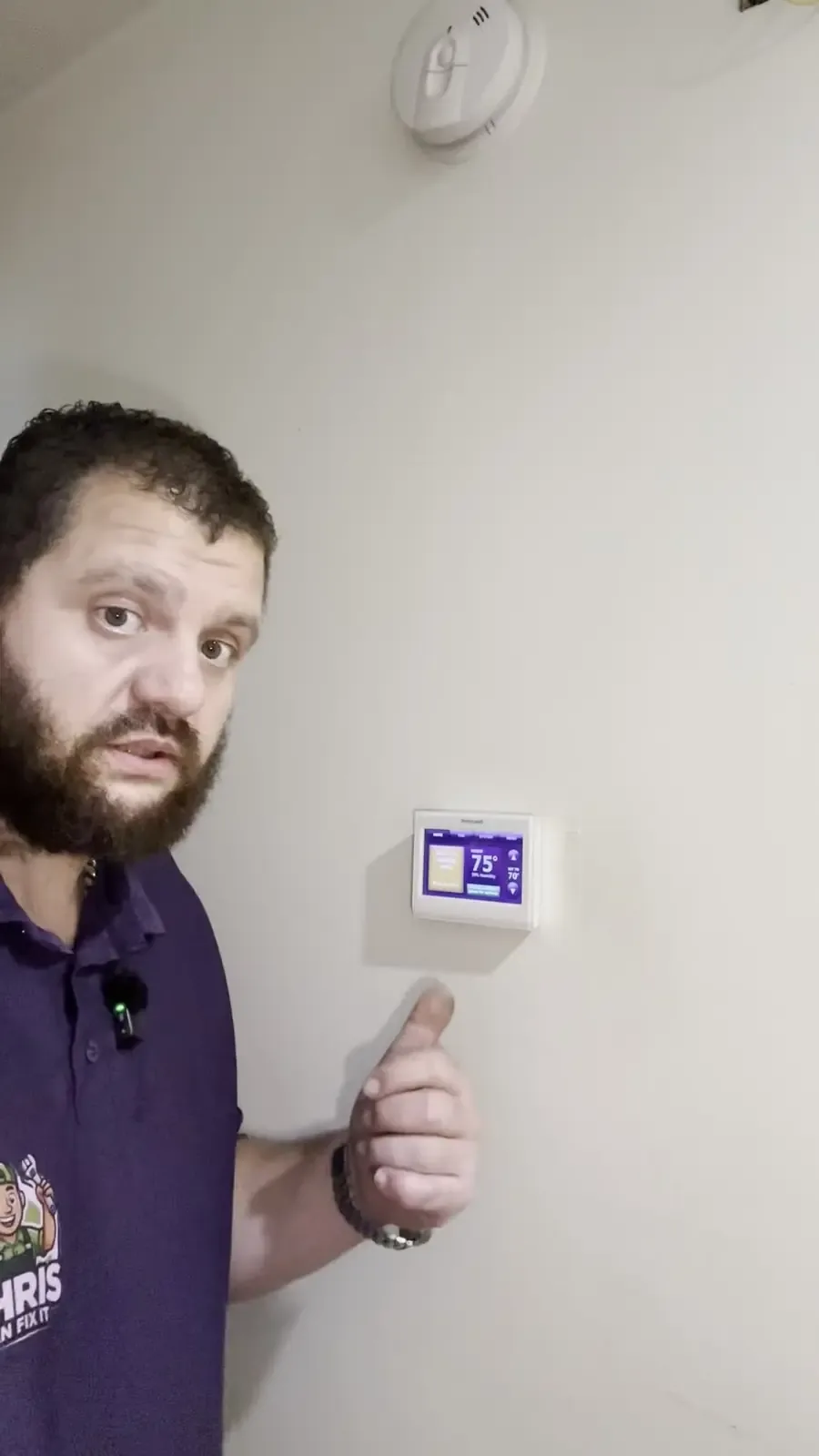
Pick up an inexpensive hygrometer, a small humidity meter, at the hardware store and set it in your living room. Then you're working from a real number instead of a guess.
Source: U.S. EPA
Using a portable humidifier the right way
A portable humidifier works well for a bedroom or a small room, but it has to be kept clean. Standing water in the tank can grow bacteria and mold, and some types blow that right into the air. The EPA's advice is simple:
- Empty the tank, wipe it dry, and refill it every day.
- Use distilled water if you can. Tap water minerals build up as scale and can leave a white dust on furniture.
- Clean the tank every few days, and always unplug the unit first.
- If you see water on windows or walls, turn it down or move it.
Keep steam or warm-mist units where kids and pets can't knock them over, since the water inside can burn.
Don't let the area around a humidifier get damp. A wet rug or windowsill is a sign you're putting more moisture in than the room can handle.
Source: U.S. EPA
Whole-house humidifiers and when to call
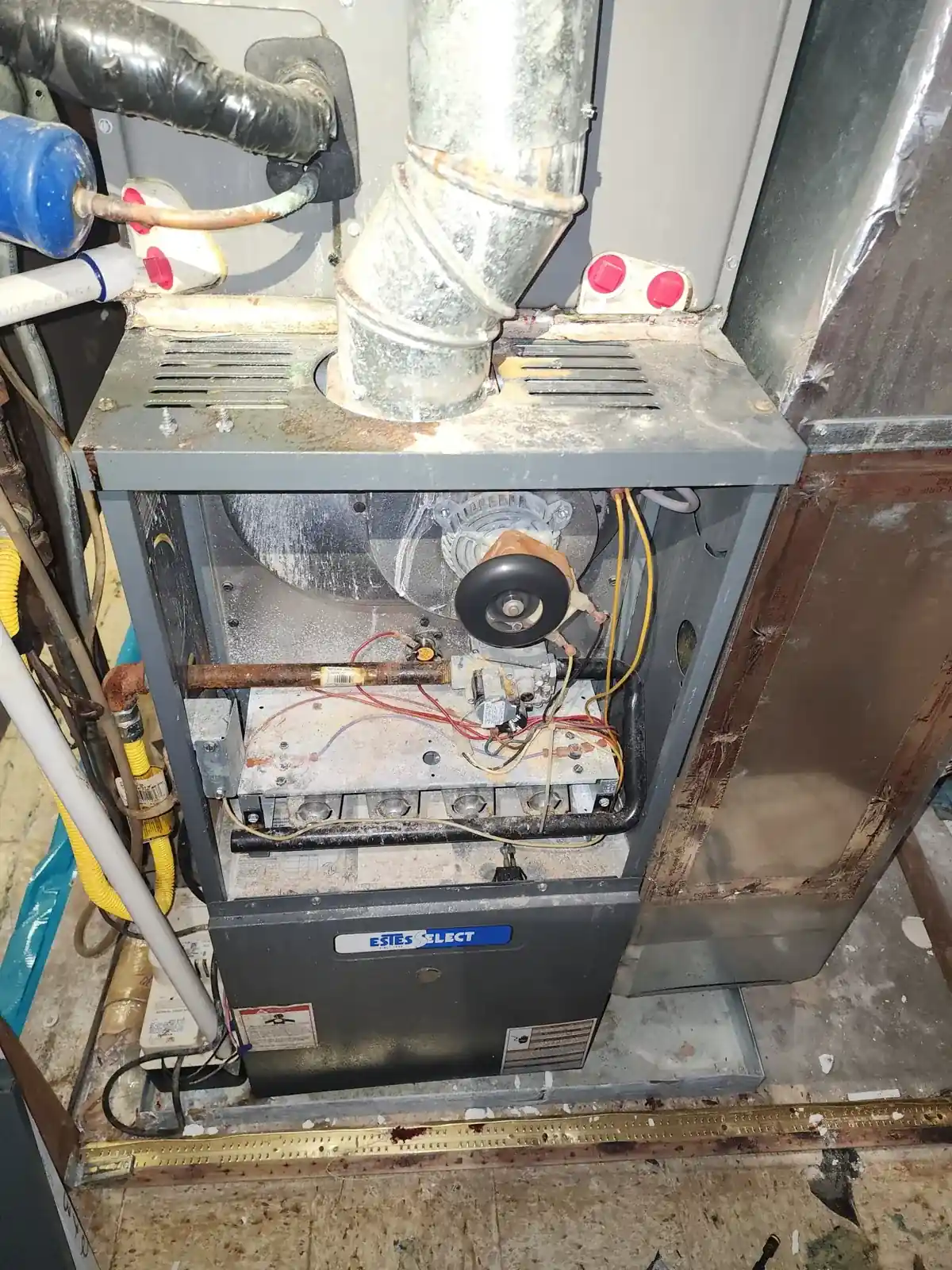
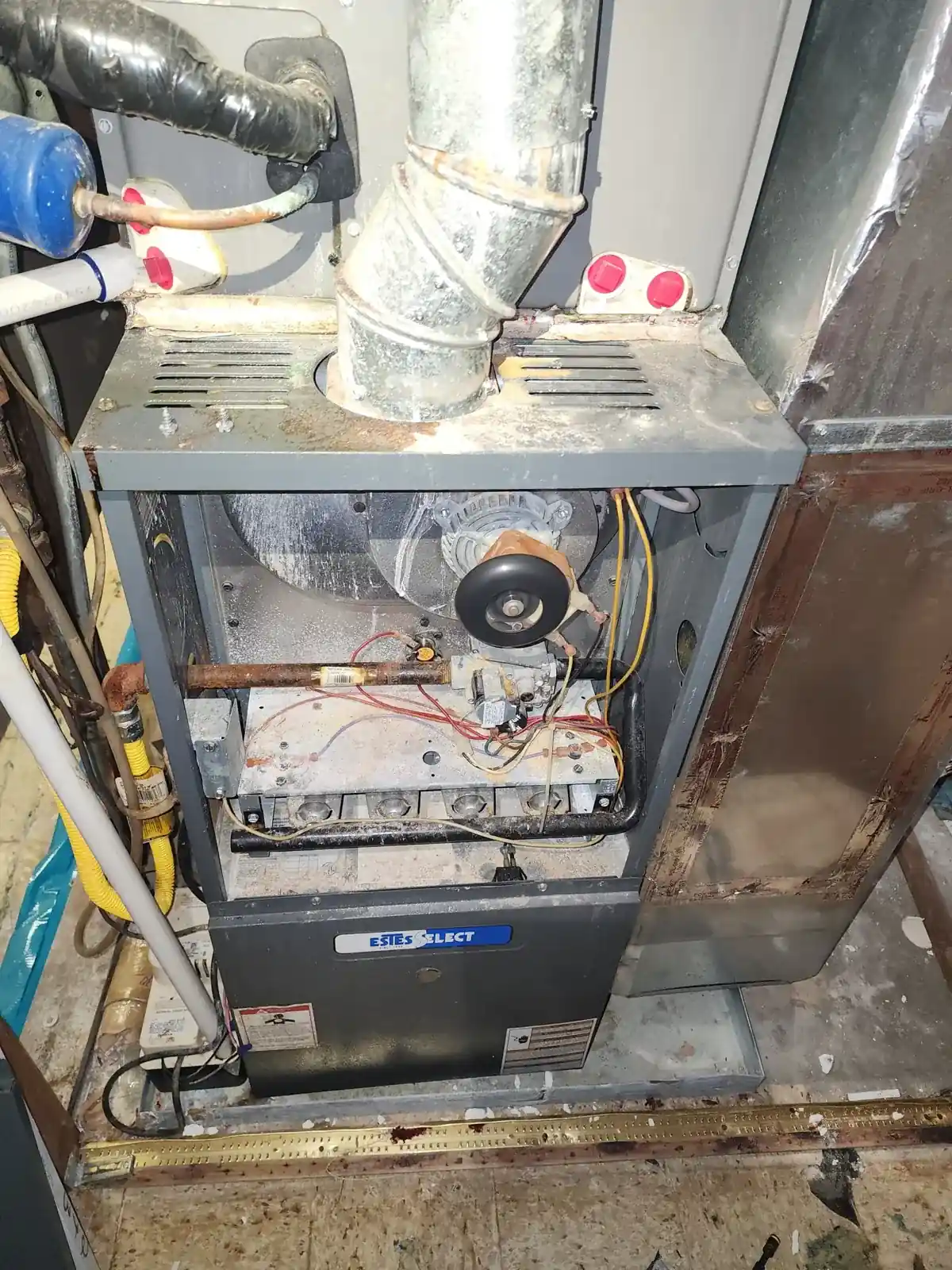
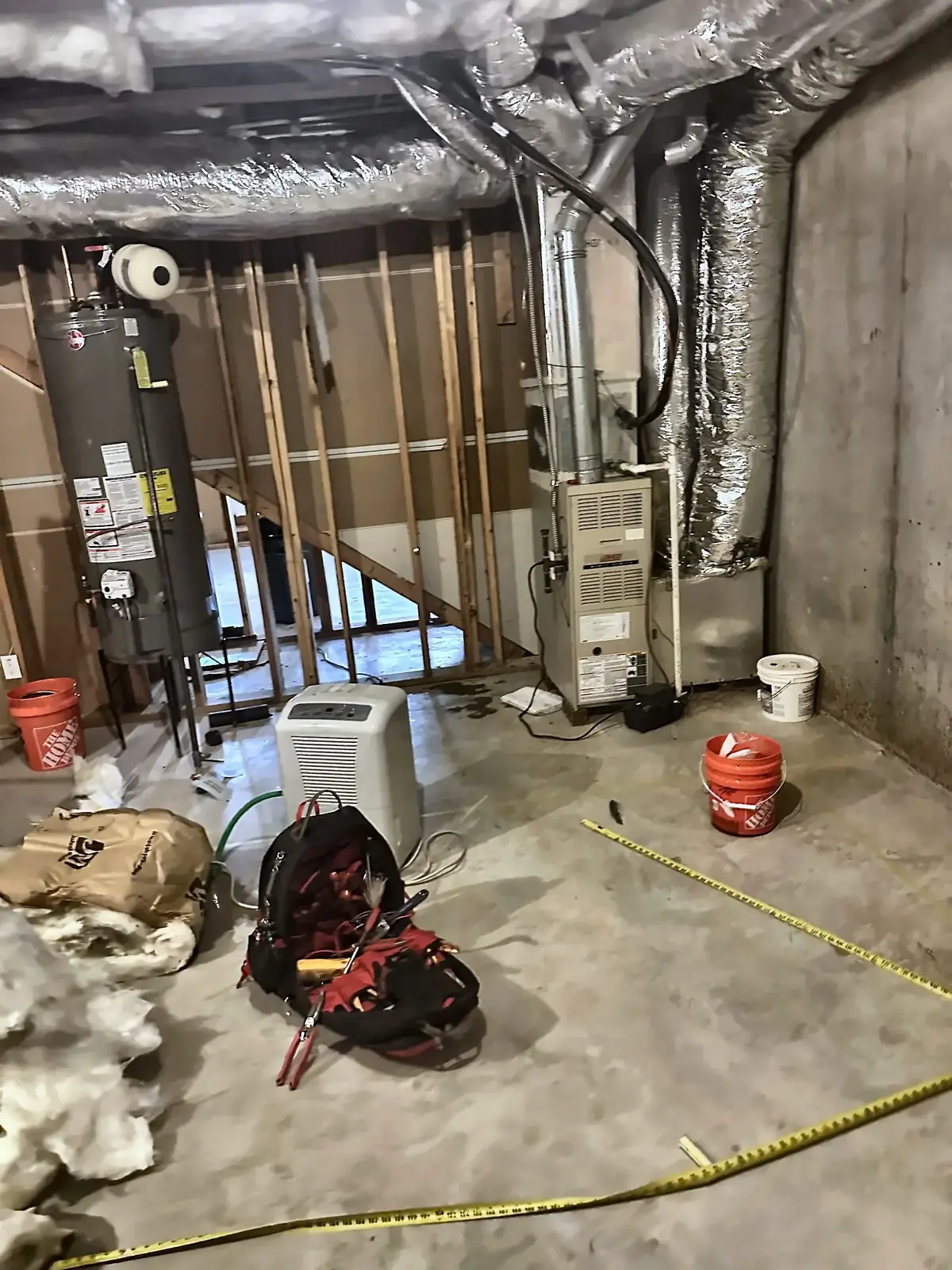
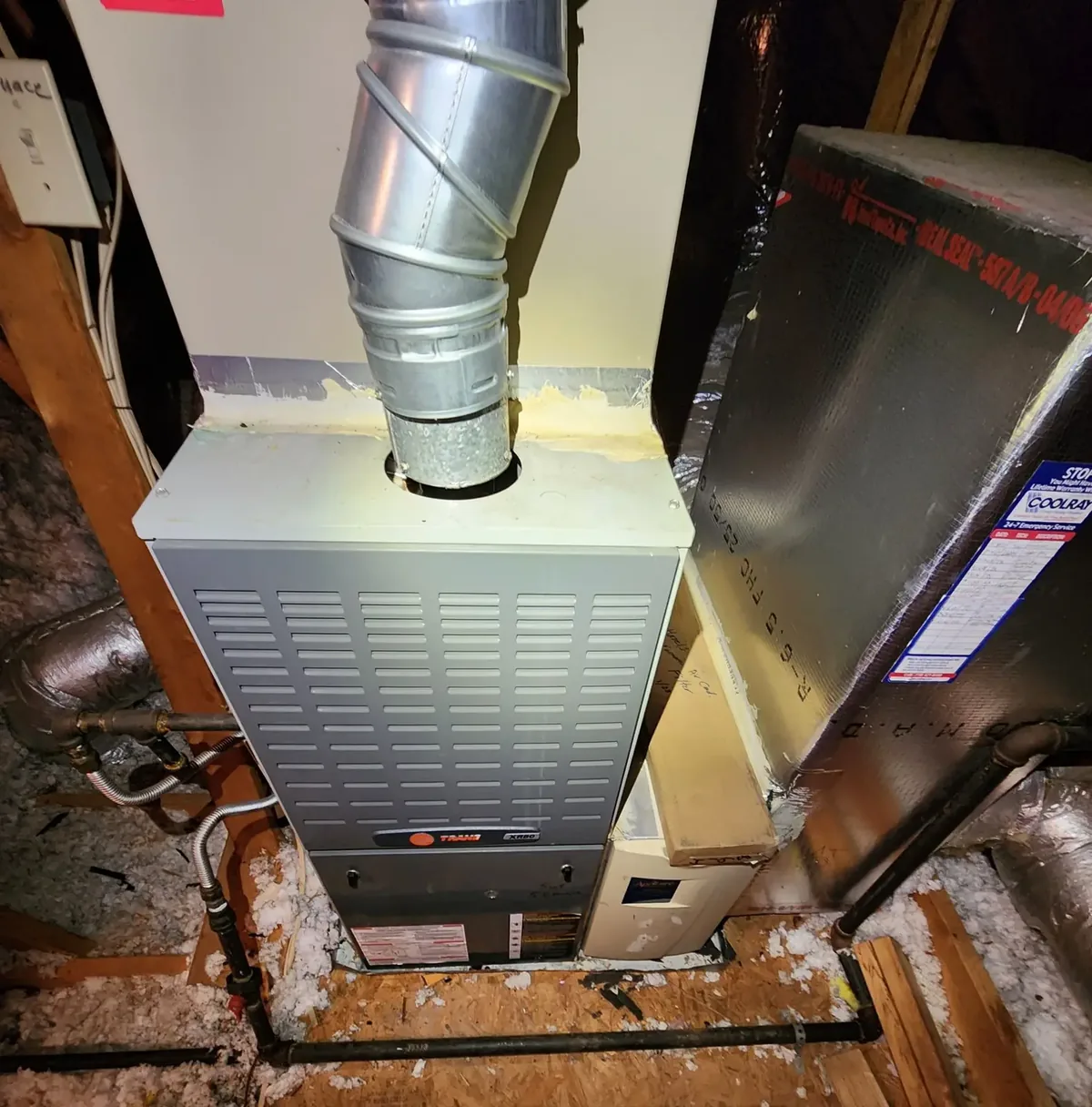
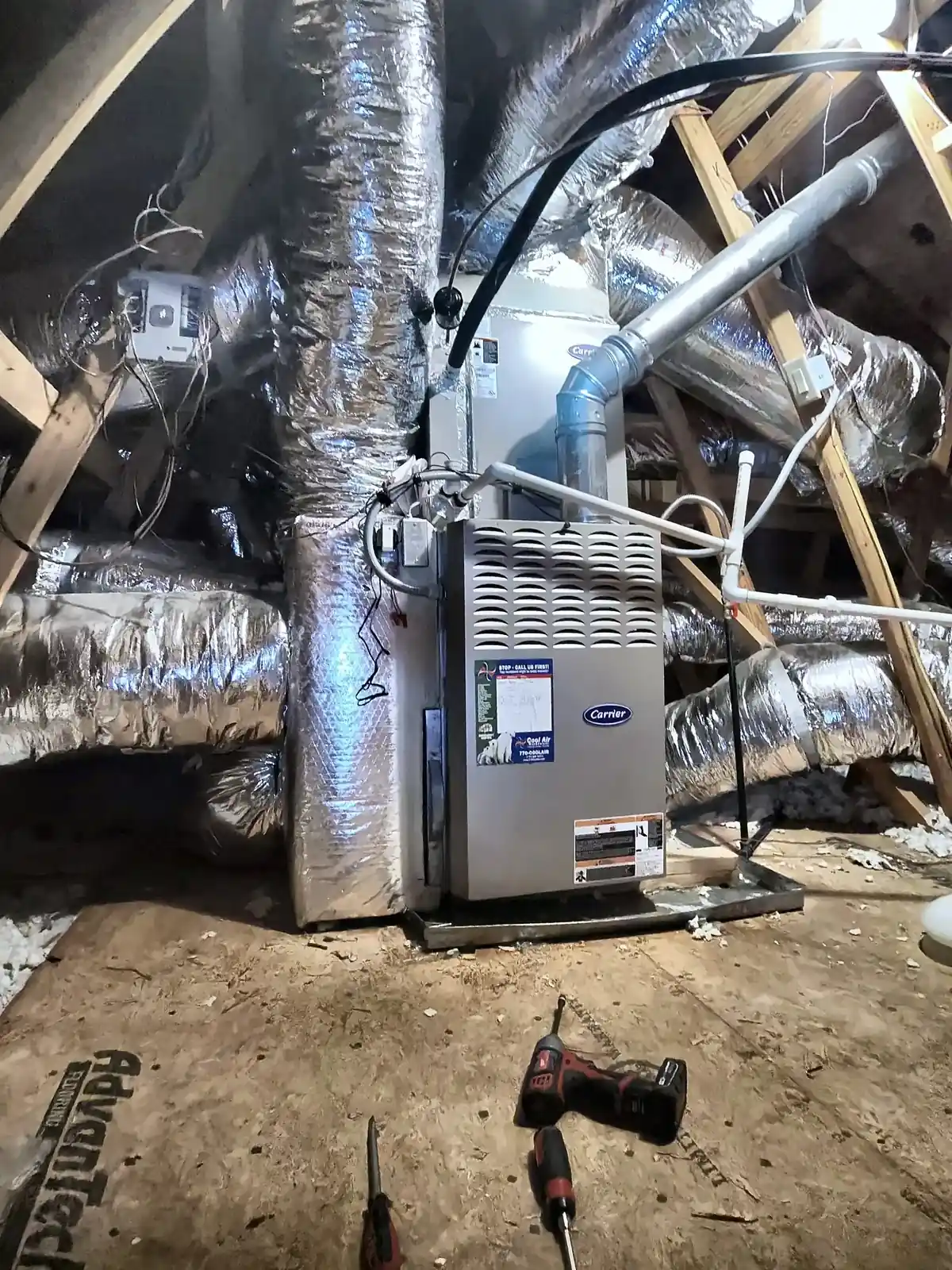
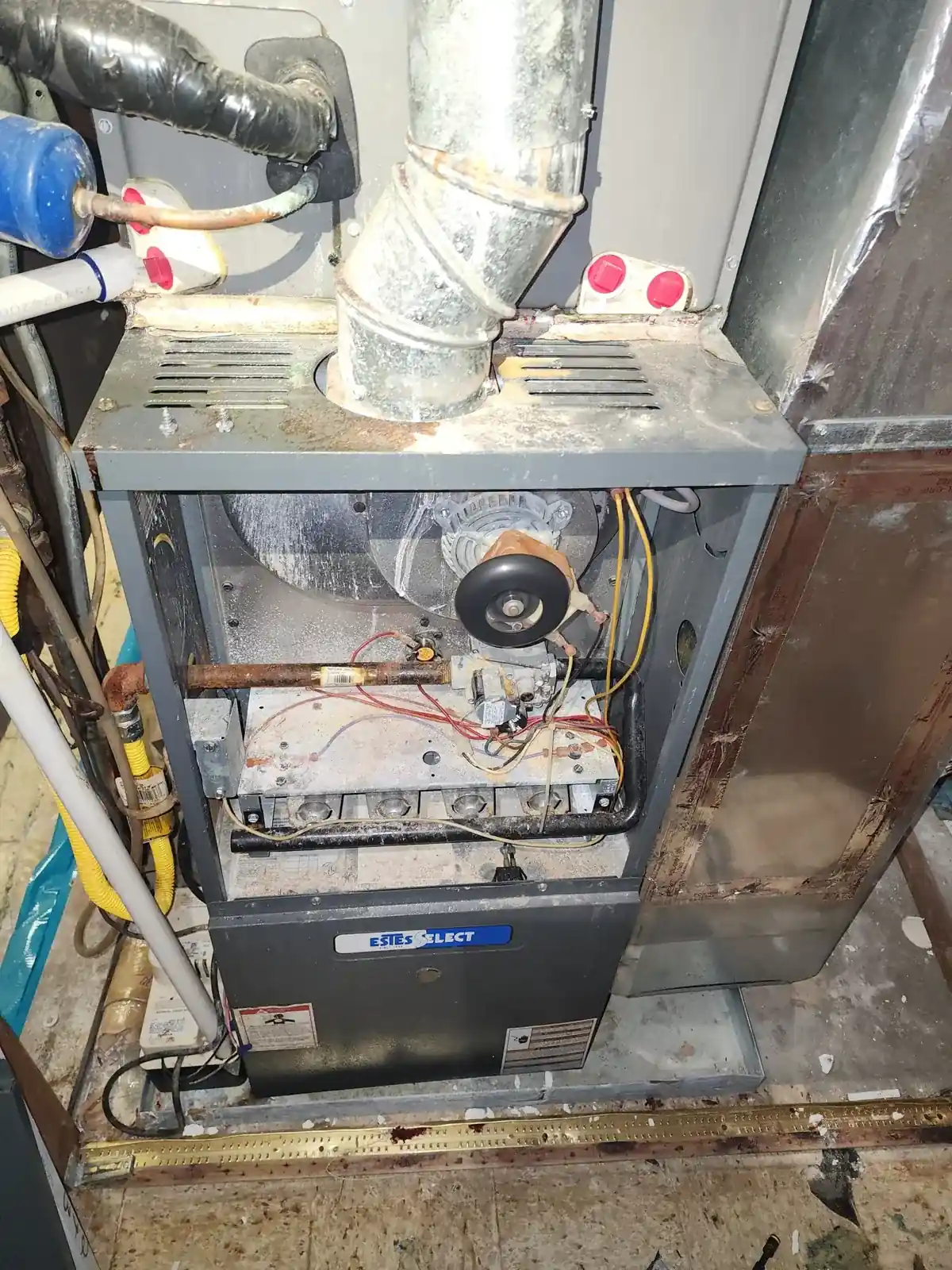
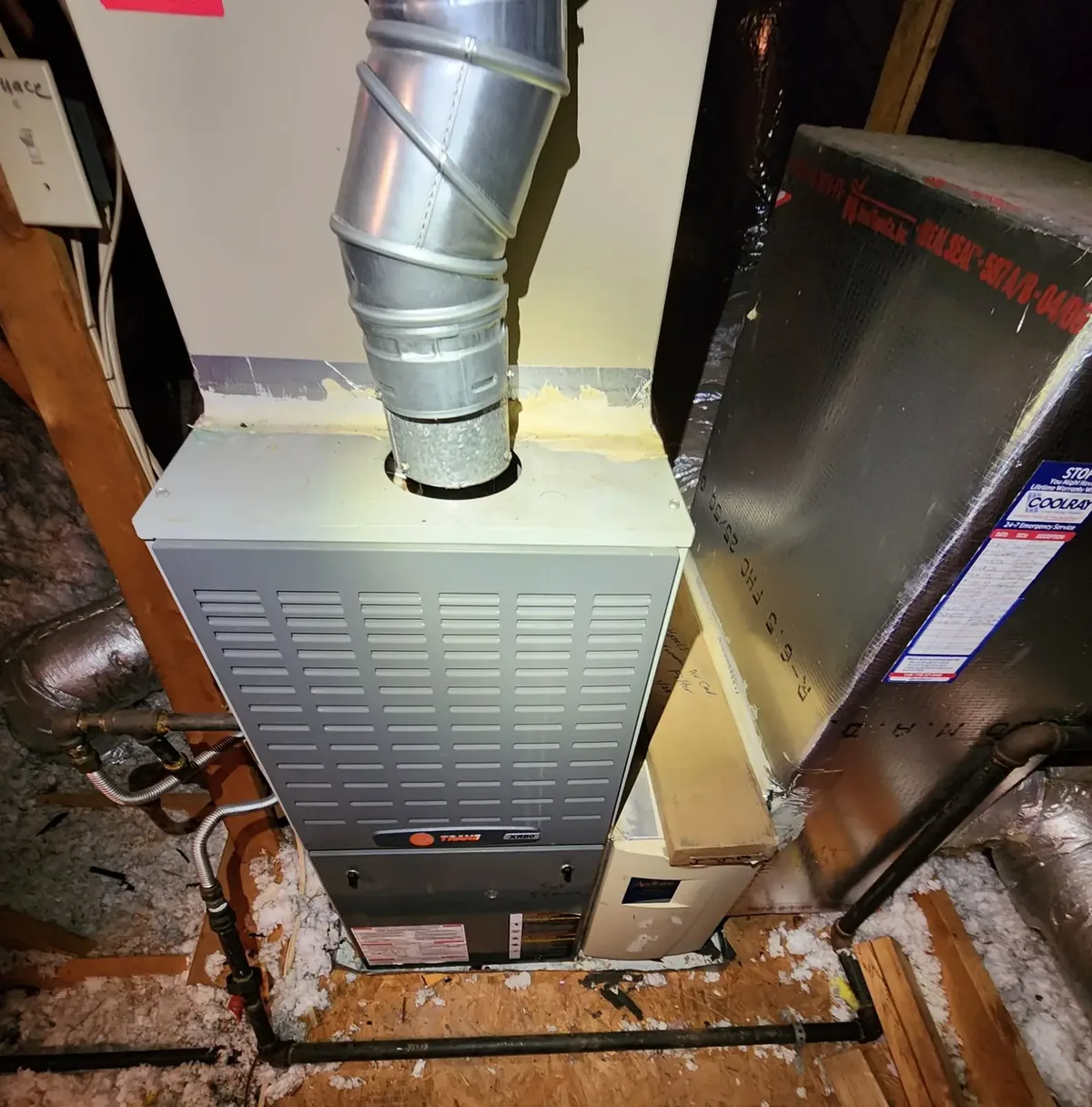
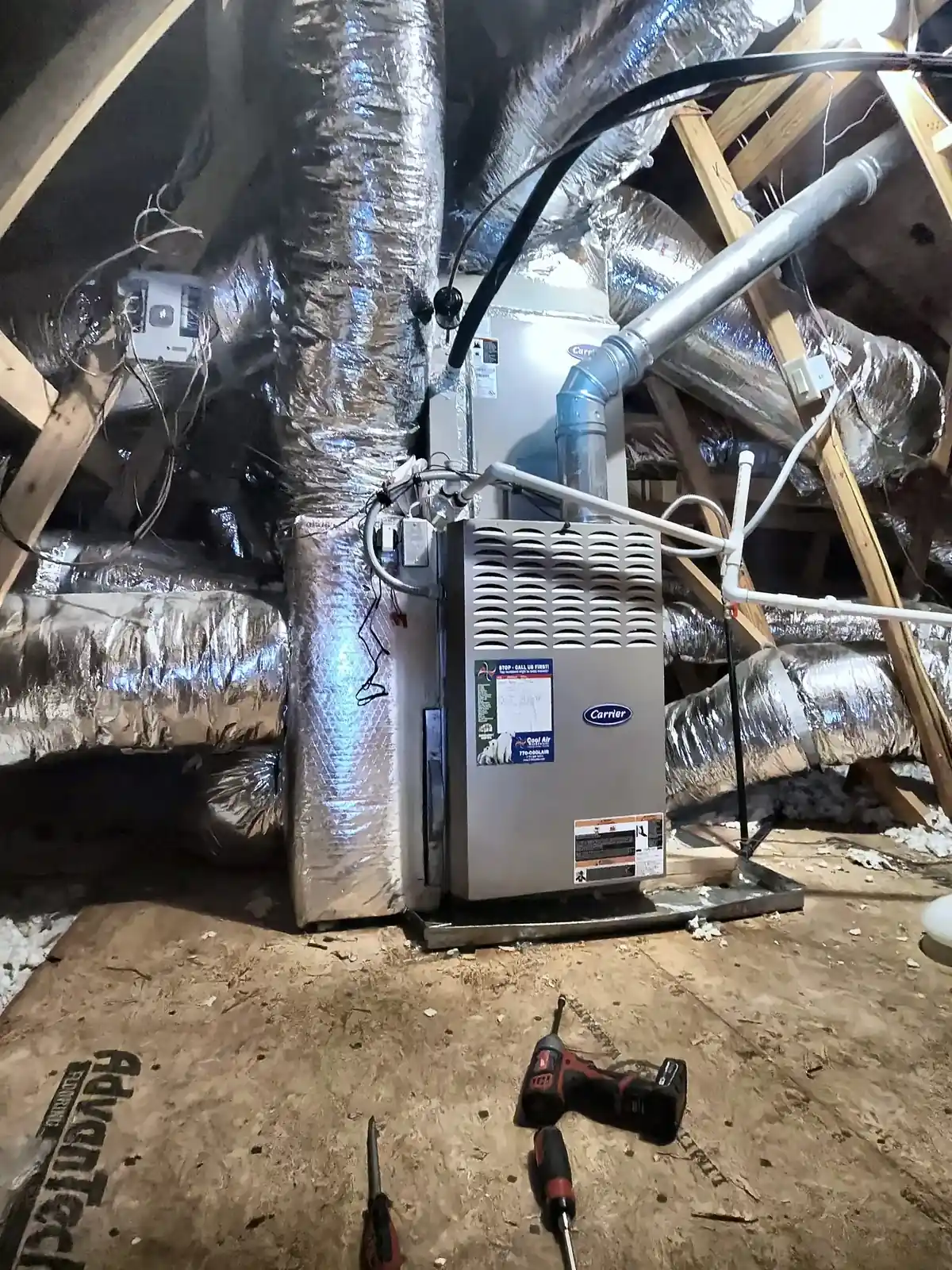
Some homes have a whole-house humidifier mounted on the furnace or air handler. It runs off the heating system and adds moisture to the air going to every room. These need care too. The pad or filter inside gets crusty with minerals and should be replaced on the maker's schedule, usually once a season, and the setting should come down on very cold nights so the windows don't sweat.
If you notice water dripping around the furnace, a musty smell from the vents, or mold on window frames, turn the humidifier down and get it looked at. Water around a furnace is never something to ignore.
Sealing drafts around doors and windows helps dry air too, since less cold outdoor air sneaks in. If you have a furnace humidifier that's leaking or not working, give me a call at (470) 999-7395 for a $79 diagnostic.