Put a plunger in every bathroom
Guests do not want to come find you and ask for the plunger. They will try to flush again instead, and a second flush on a clogged toilet is how water ends up on the floor. A plunger sitting next to each toilet fixes that before it starts.
Use a flange plunger, the kind with the soft extra lip on the bottom. It seals into the toilet drain much better than a flat sink plunger.
Put a small trash can with a liner in every bathroom. Wipes, even the ones labeled flushable, paper towels and other products are the most common things I pull out of clogged toilets.
Know where the toilet shutoff is
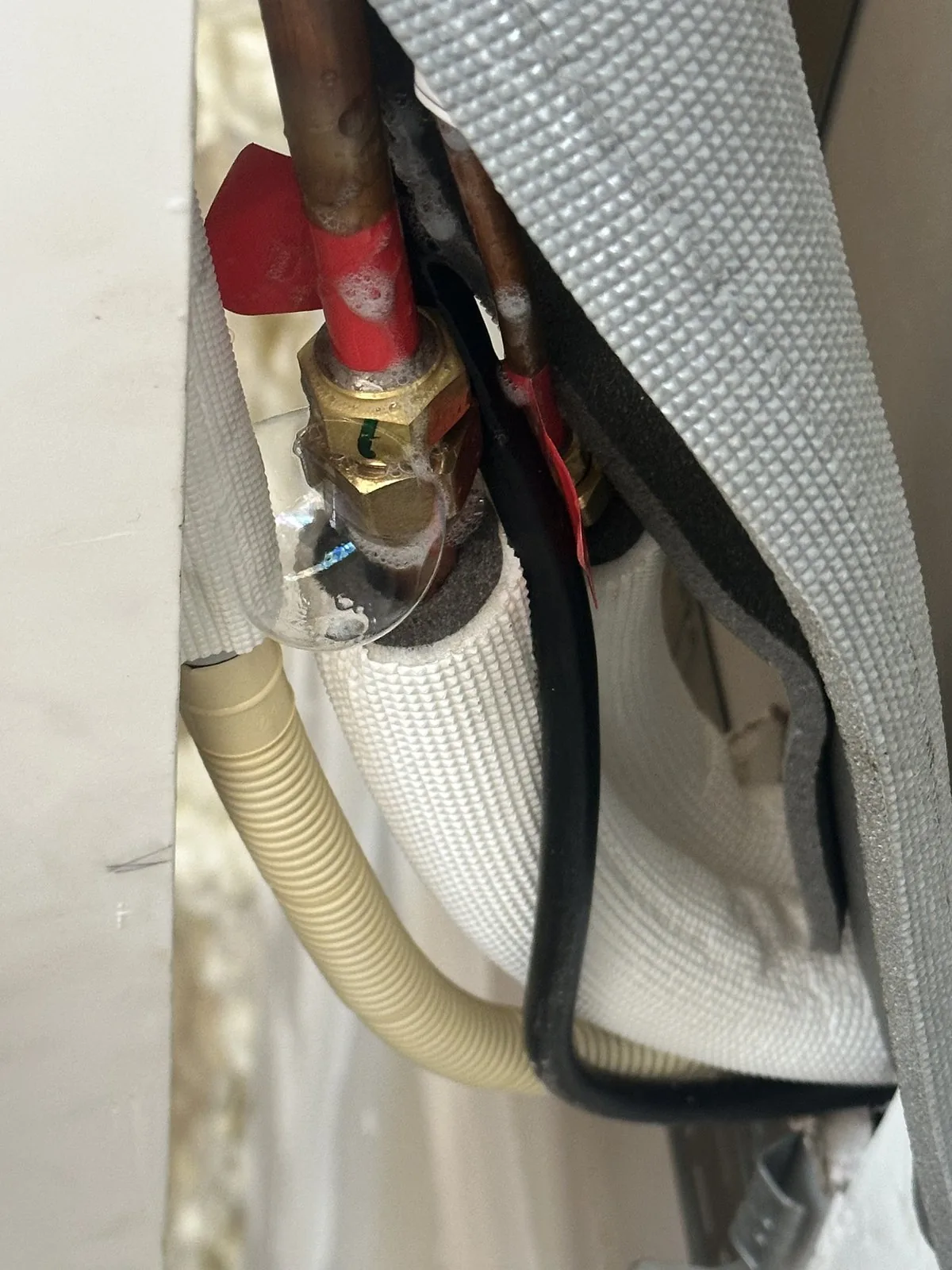
Every toilet has its own small shutoff valve on the wall or floor behind it, on the line that feeds the tank. Turning it clockwise stops water from refilling the tank. Show your family where it is before the house fills up.
Try it once now. Turn it off, flush, and make sure the tank does not refill. Then turn it back on. If it will not turn, or it drips after you move it, leave it alone and do not force it. An old valve can break off in your hand. If you ever need to stop water for the whole house, my post on finding and testing your main water shutoff walks through it.
When the bowl starts to rise
If the water climbs after a flush, do not flush again. Take the lid off the tank and push the flapper at the bottom down to stop more water from going into the bowl, then turn the shutoff valve clockwise. That buys you time to plunge without a mess.
Plunge with slow, firm pushes and a strong pull, keeping the plunger covered with water. If plunging does not clear it, or more than one drain in the house is backing up at the same time, stop. That points to a problem farther down the line, not just that toilet.
If a toilet keeps clogging, runs on its own or leaks at the base, call me at (470) 999-7395 and I can take a look before the next round of guests.