Why cold pipes mean a longer wait
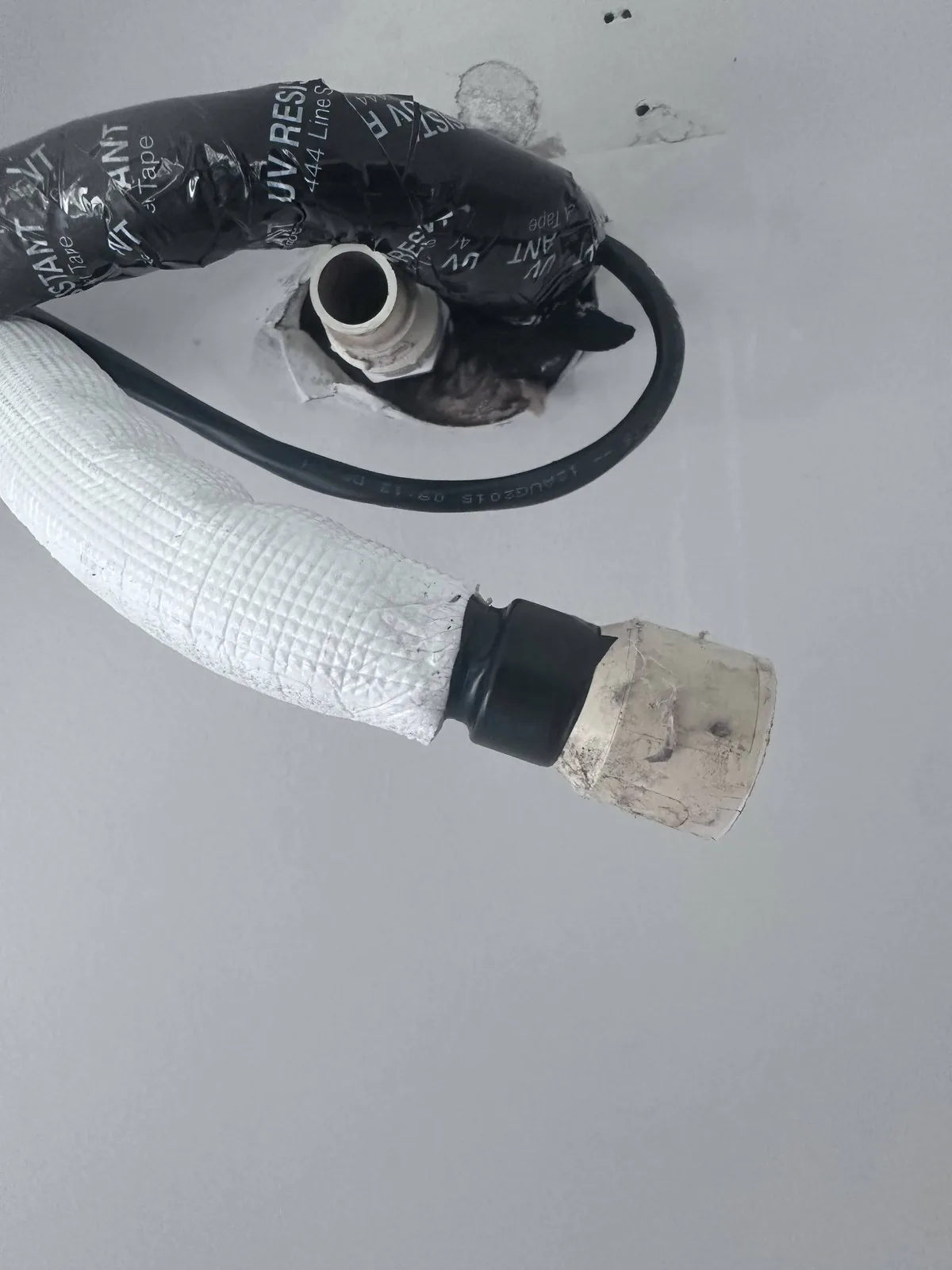
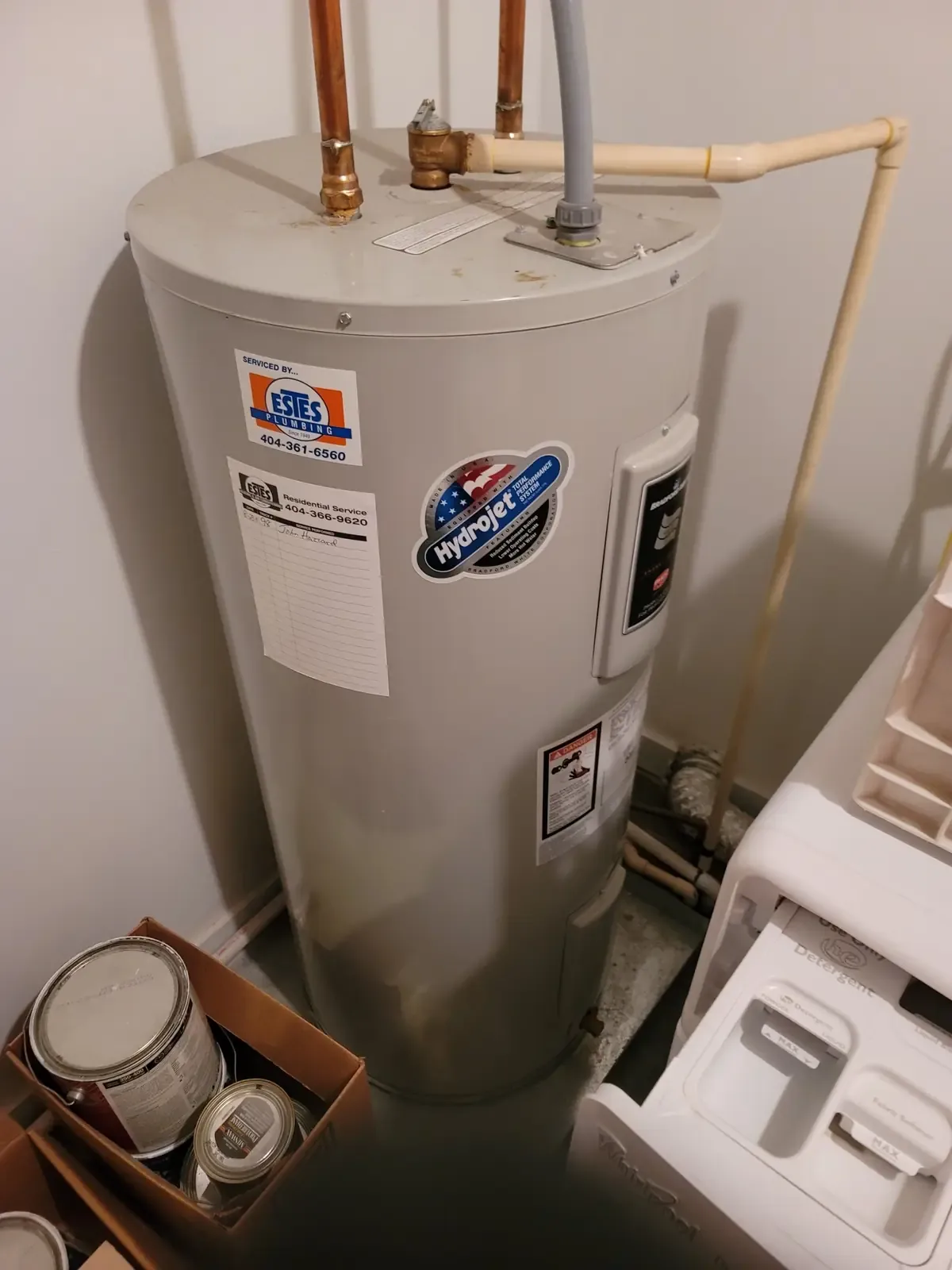
Hot water leaves the water heater warm, but a bare copper or plastic line in a cold space gives up that heat fast. The colder it gets under the house, the more water you run down the drain waiting for it to warm up. Insulating the exposed lines keeps more of that heat in the pipe.
Add foam sleeves to the runs you can reach
Foam pipe sleeves from the hardware store are made for this. Measure your pipe size first so the sleeve fits snug.
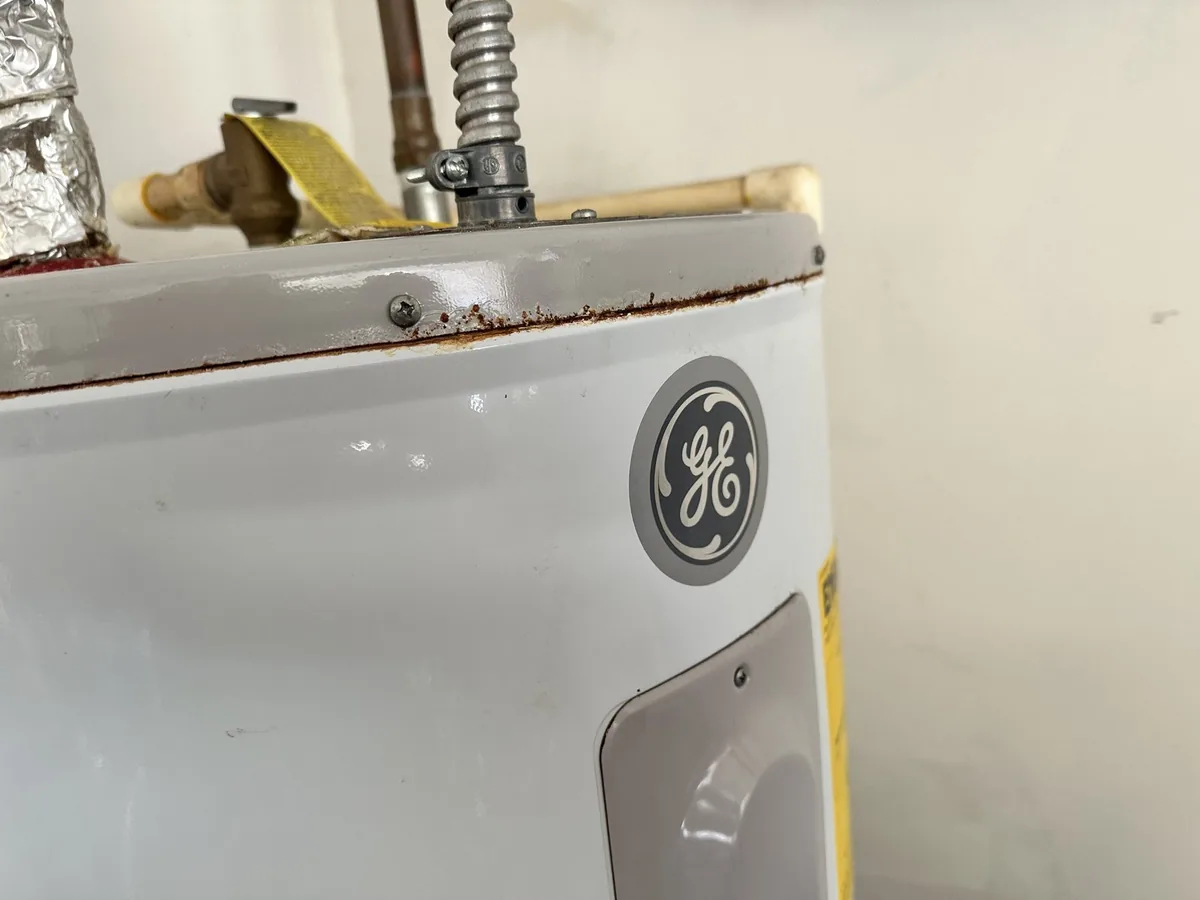
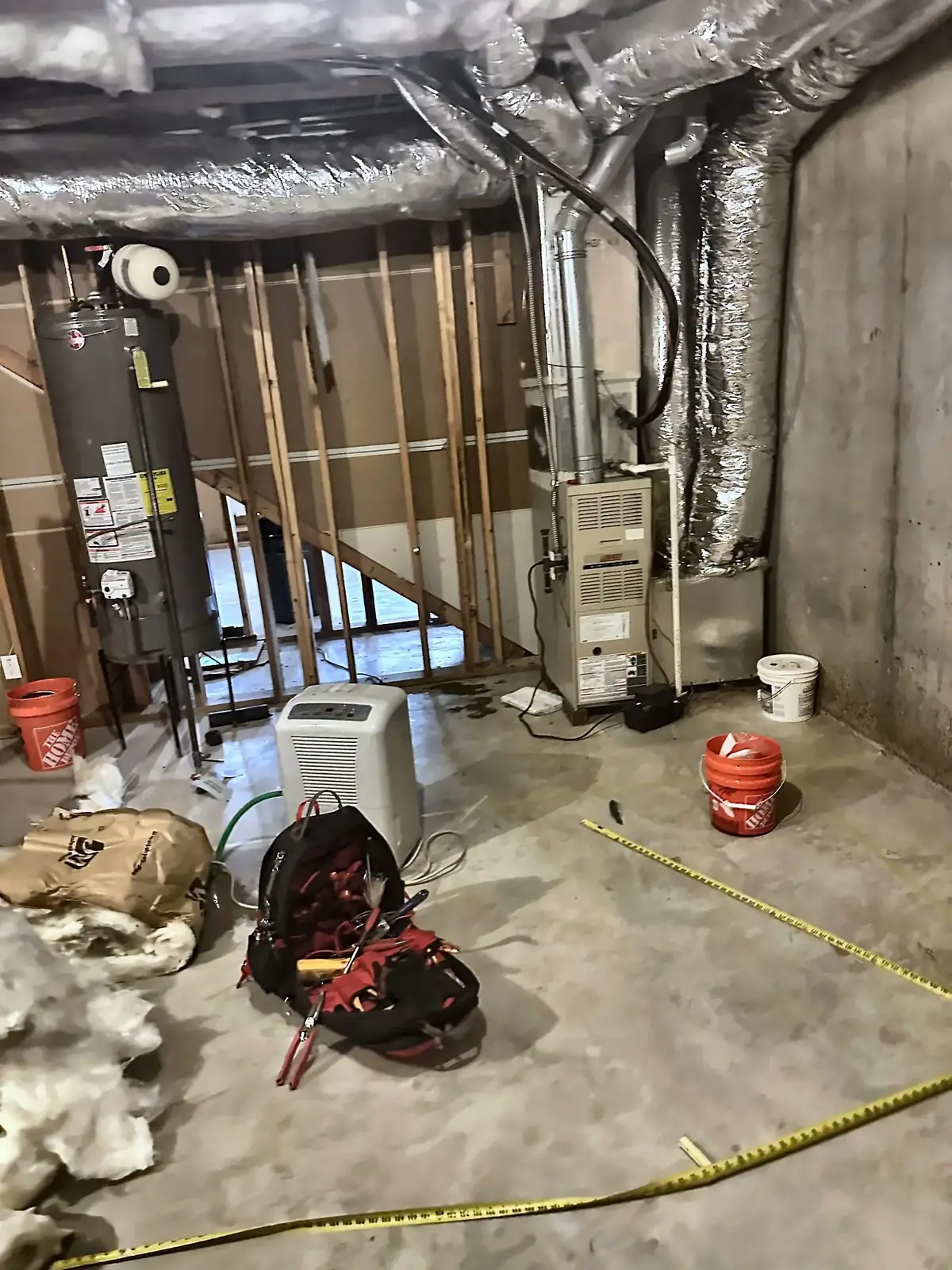
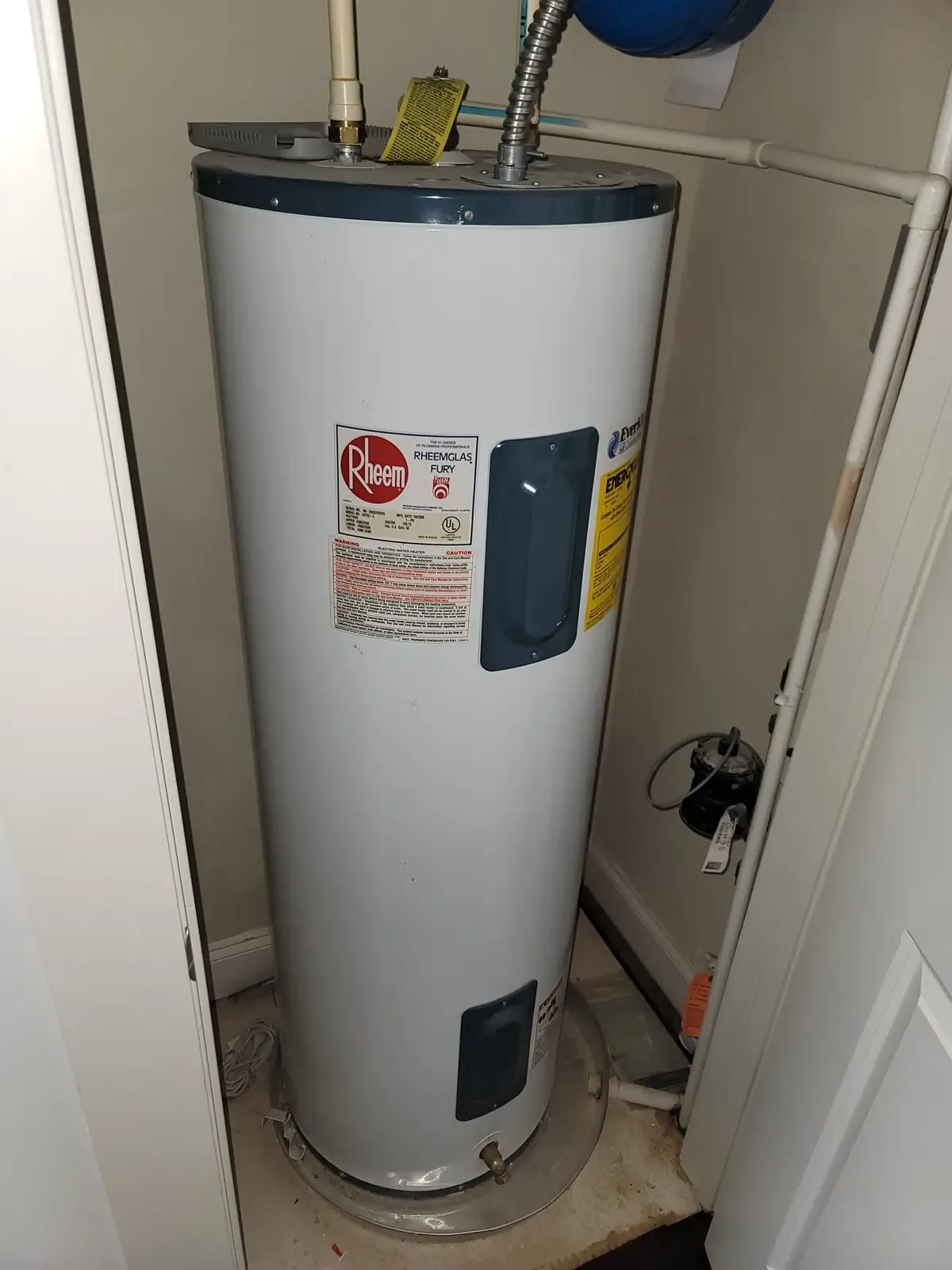
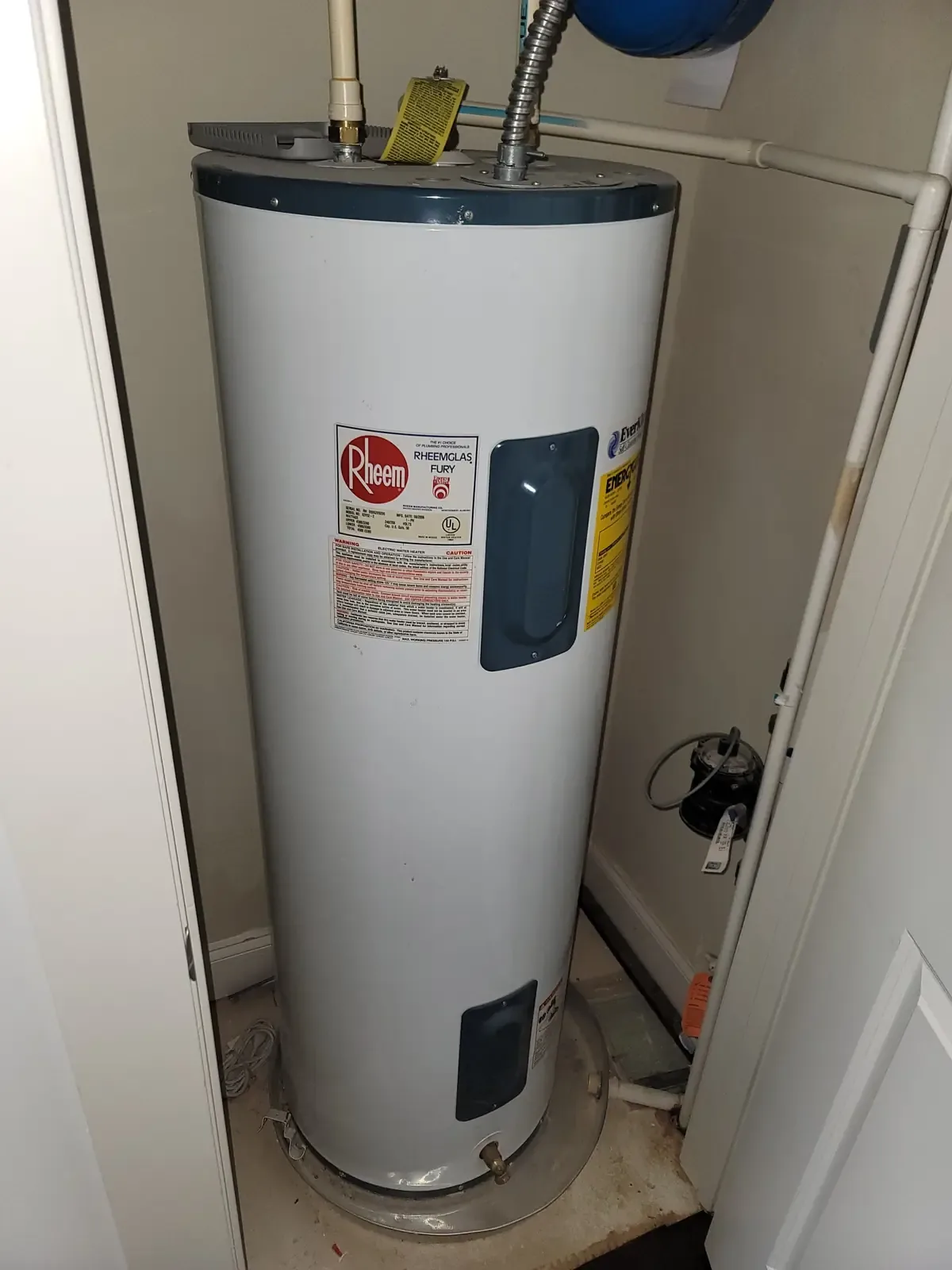
- Start with the hot lines you can easily reach in the basement or crawlspace. The pipe coming off the top of the water heater is usually the hot side, so follow it.
- Slip the sleeve over the pipe with the seam facing down, and tape the seams and the joints where two pieces meet.
- Cut neat pieces to wrap around elbows so there are no bare gaps.
- Only cover pipes you can reach safely. Don't crawl into tight spaces with wiring you are unsure of, or pull on pipes to get a sleeve on.
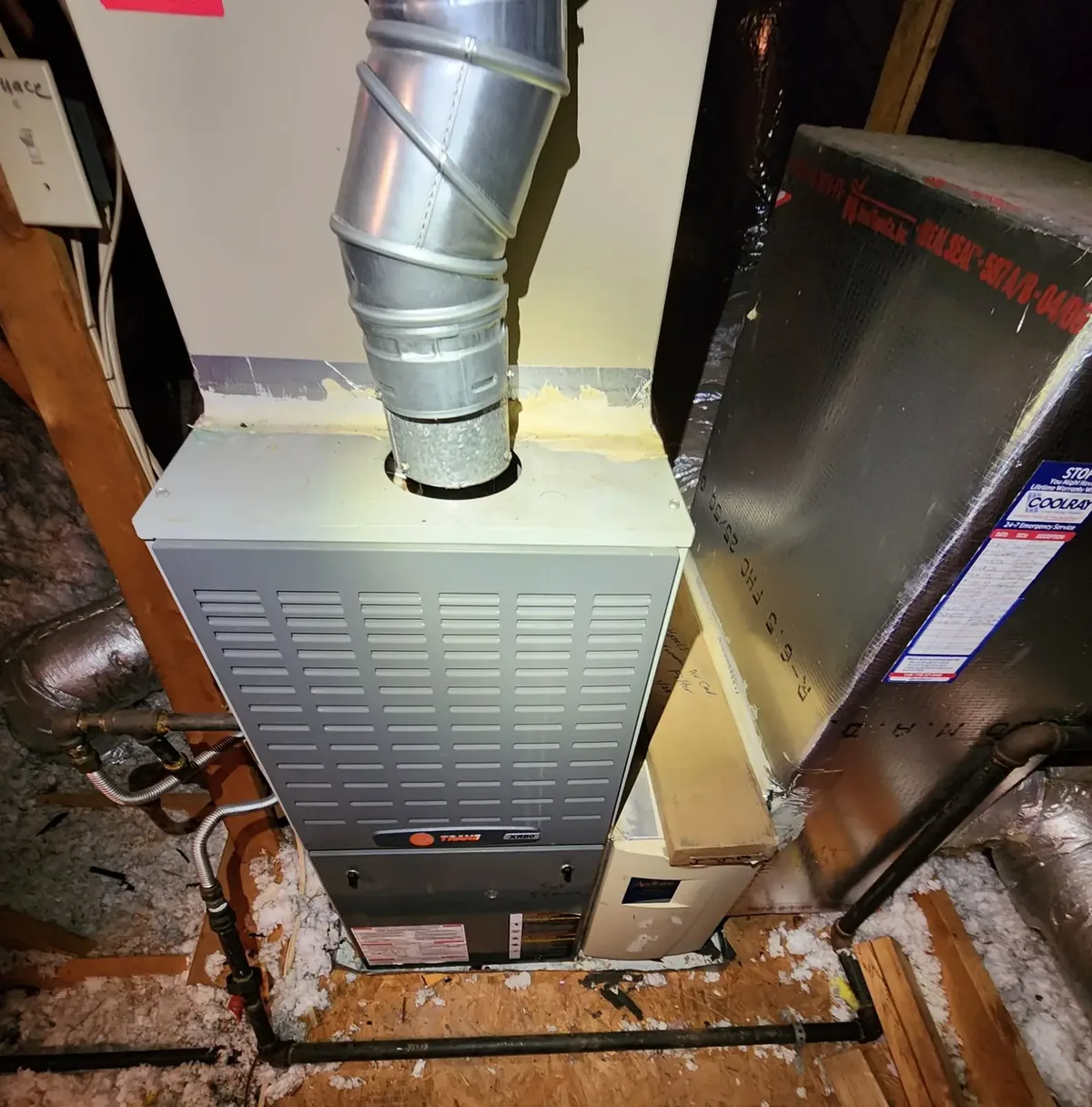
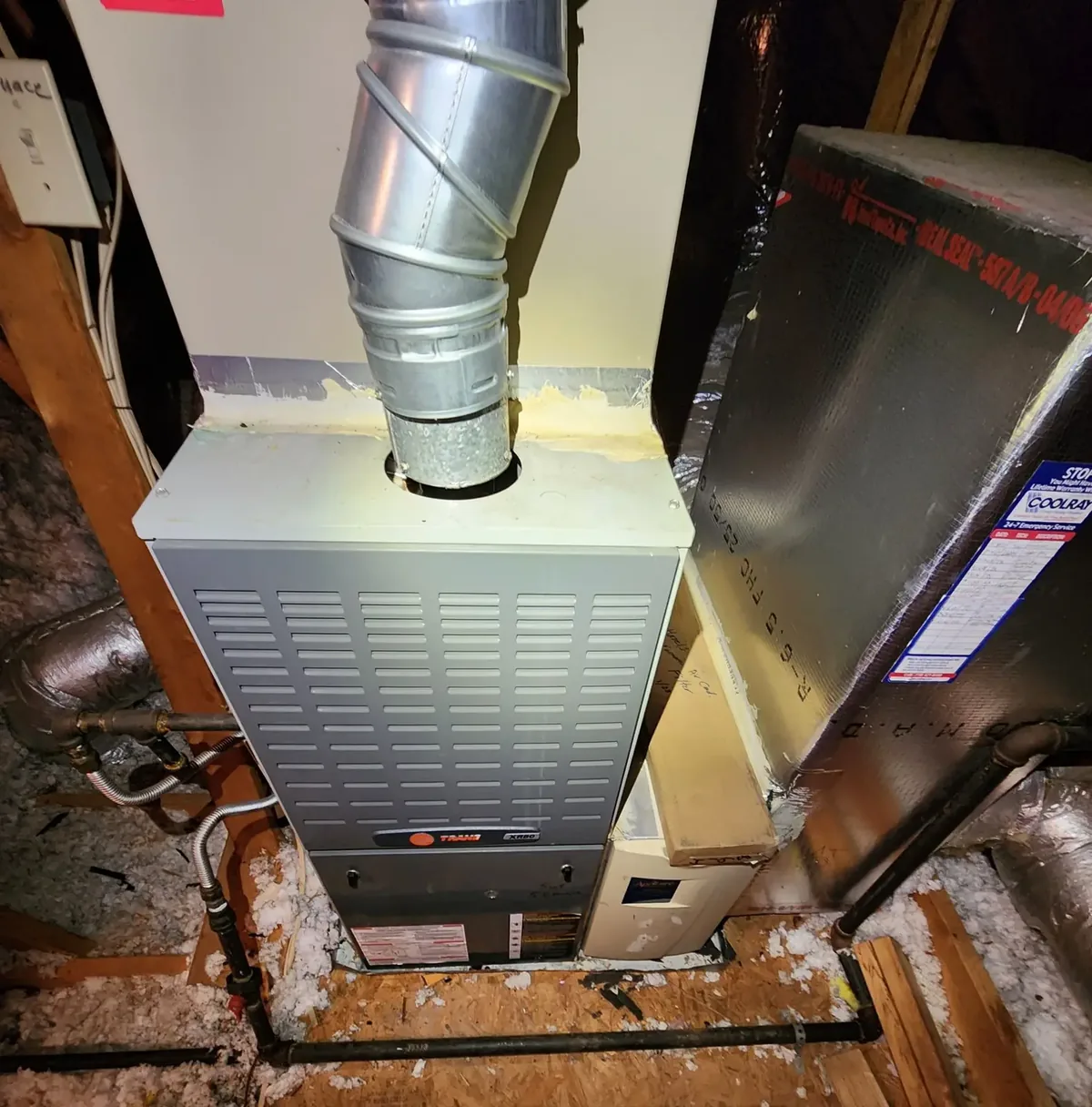
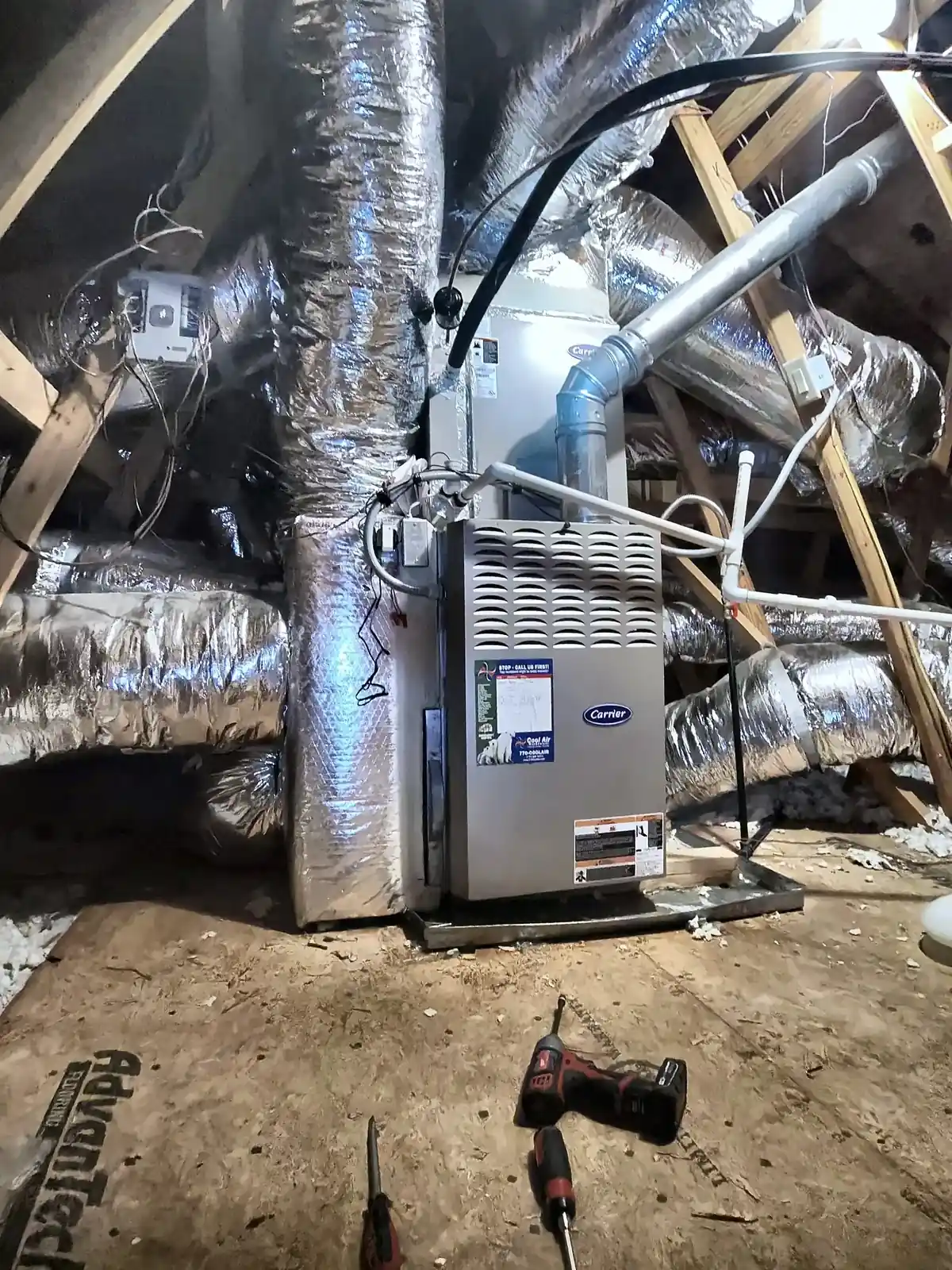
Keep foam insulation at least 6 inches away from the vent pipe on top of a gas water heater, and never wrap the vent, the gas line or the controls. Insulate the water pipes only, and stop where the space around the heater gets tight.
When it is more than cold pipes
If you insulated the lines and hot water still runs out fast, comes out lukewarm, or takes far longer than it used to, the problem may be the water heater itself. Don't open or adjust the water heater yourself. Call me at (470) 999-7395 or book online for a $79 diagnostic.