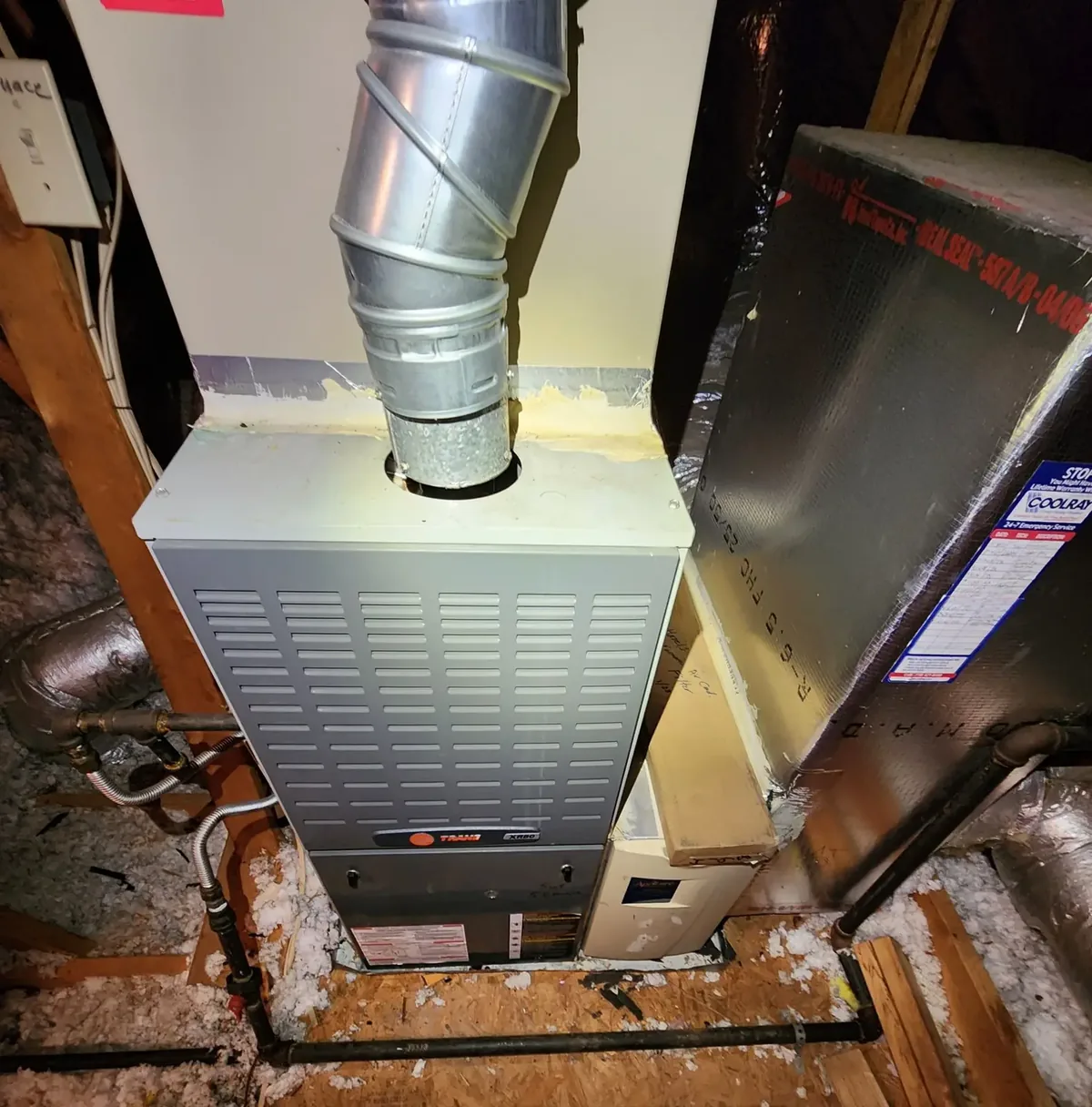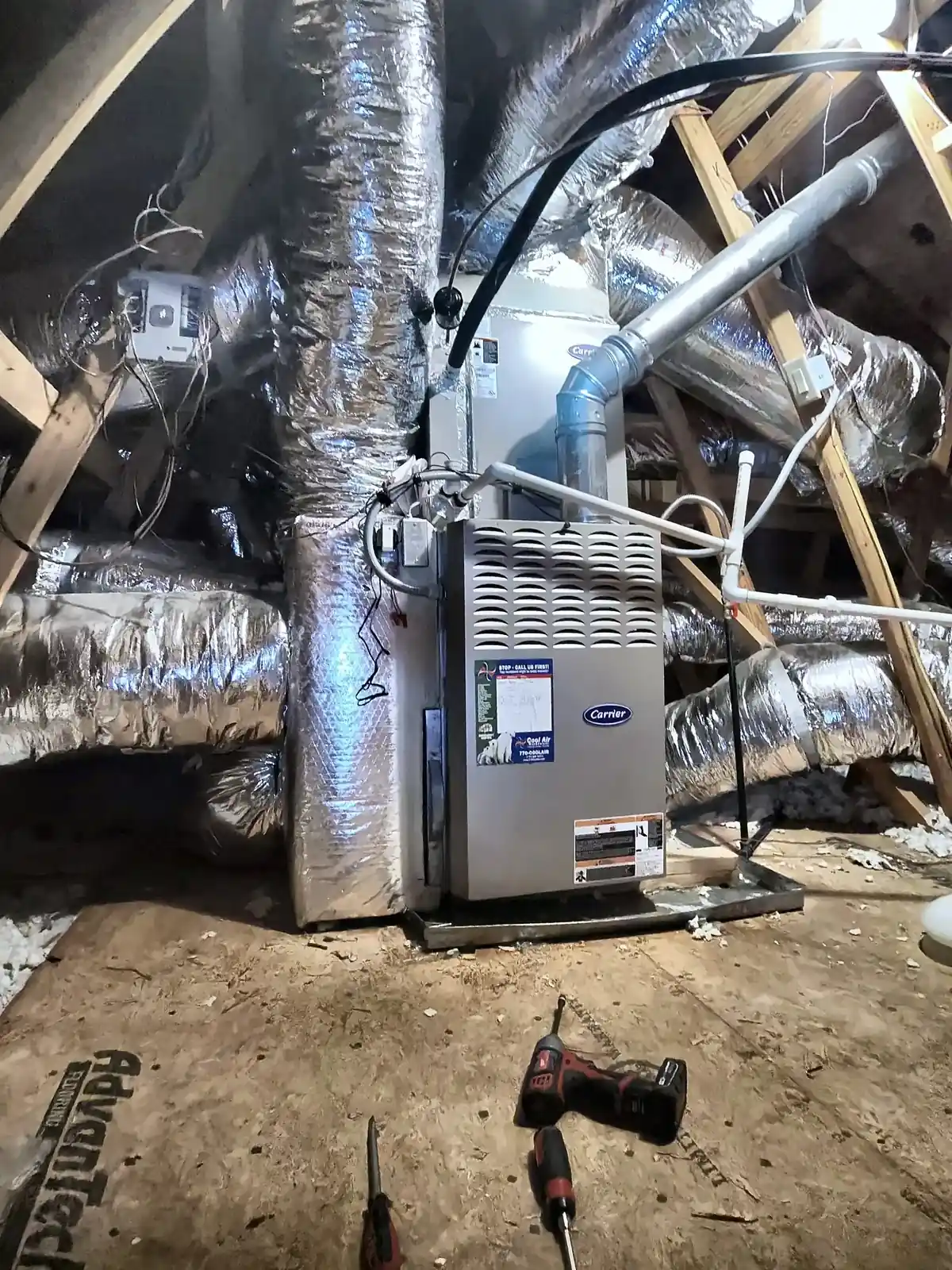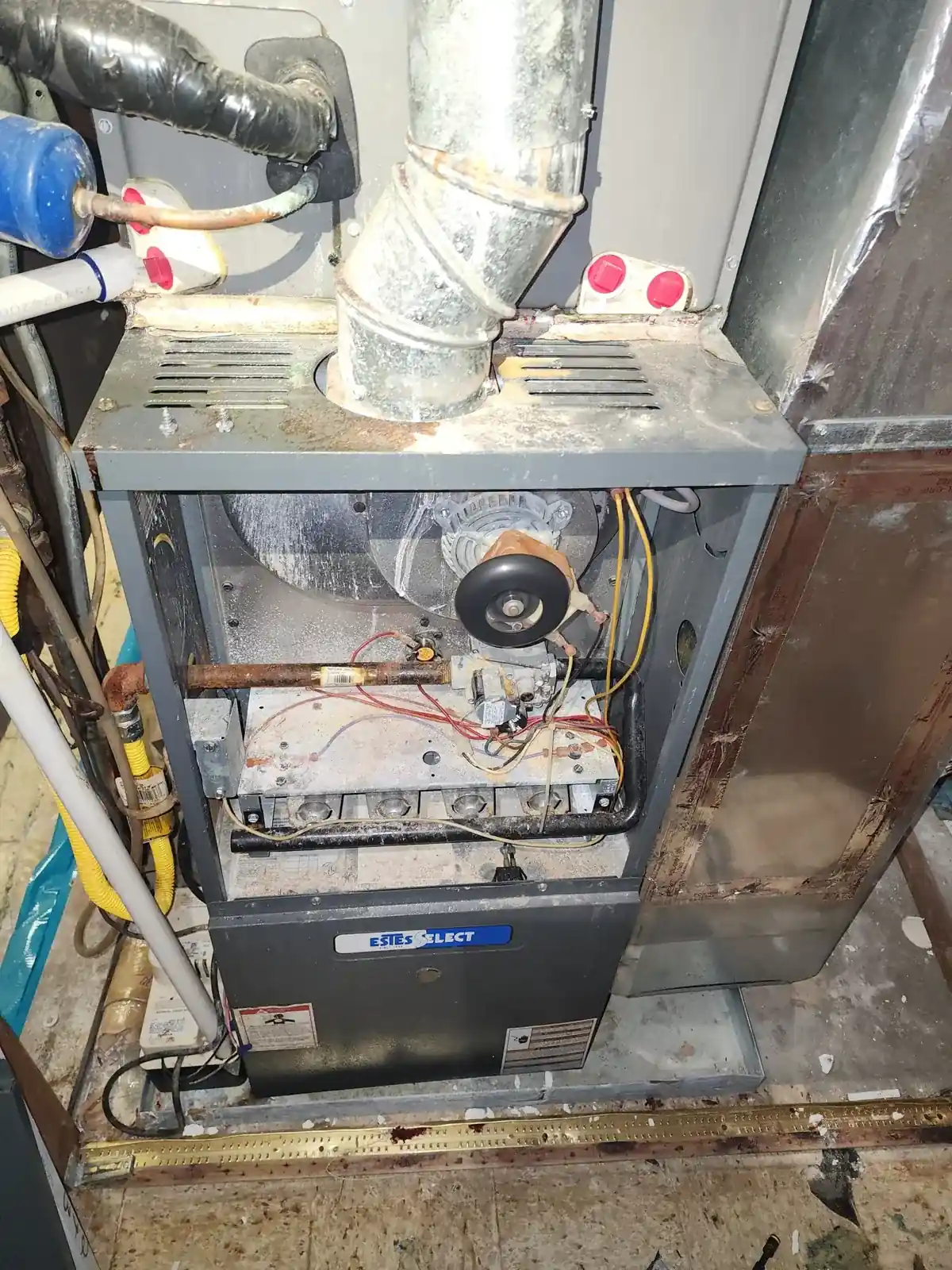
How to spot the vent pipes
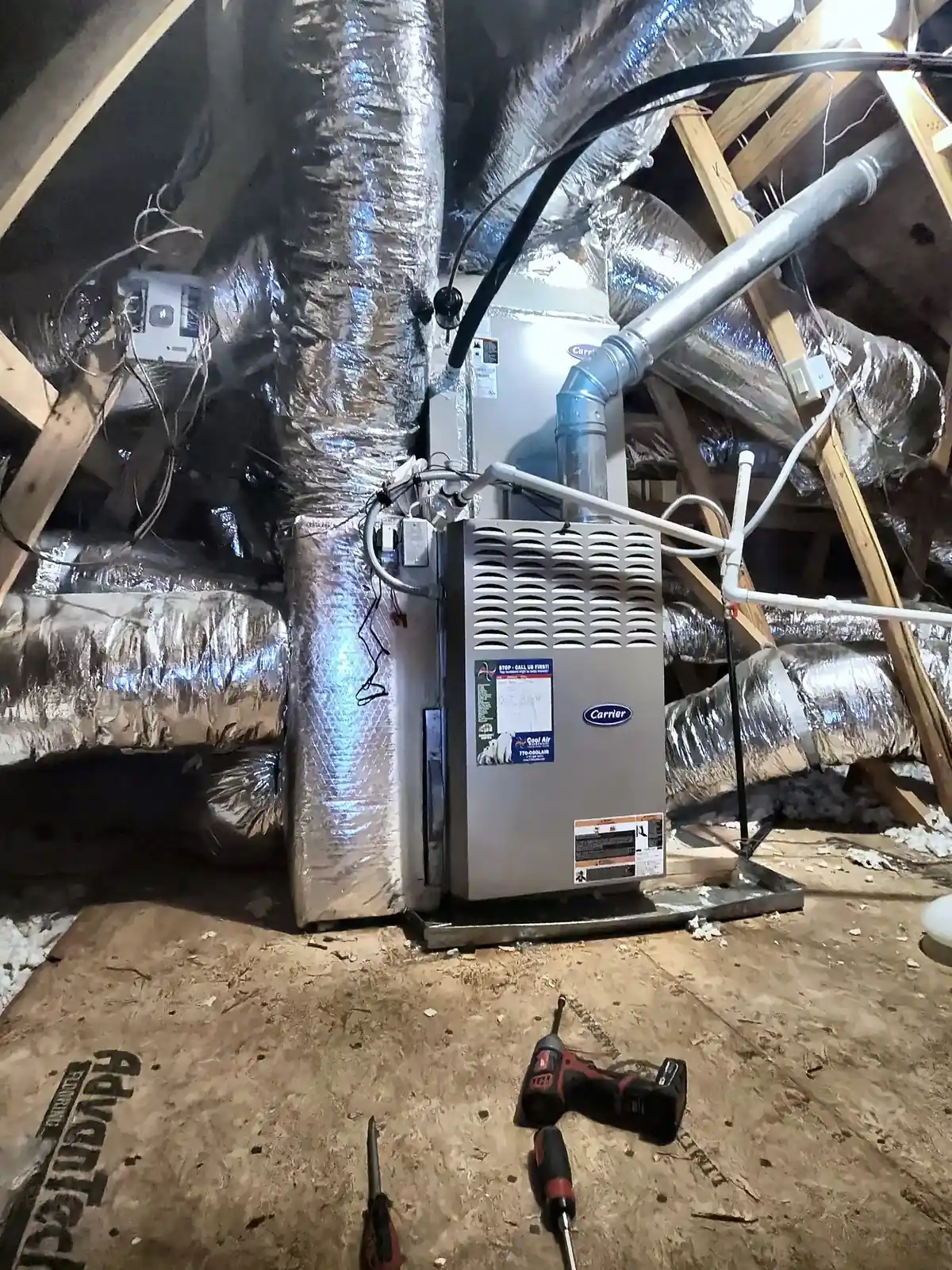
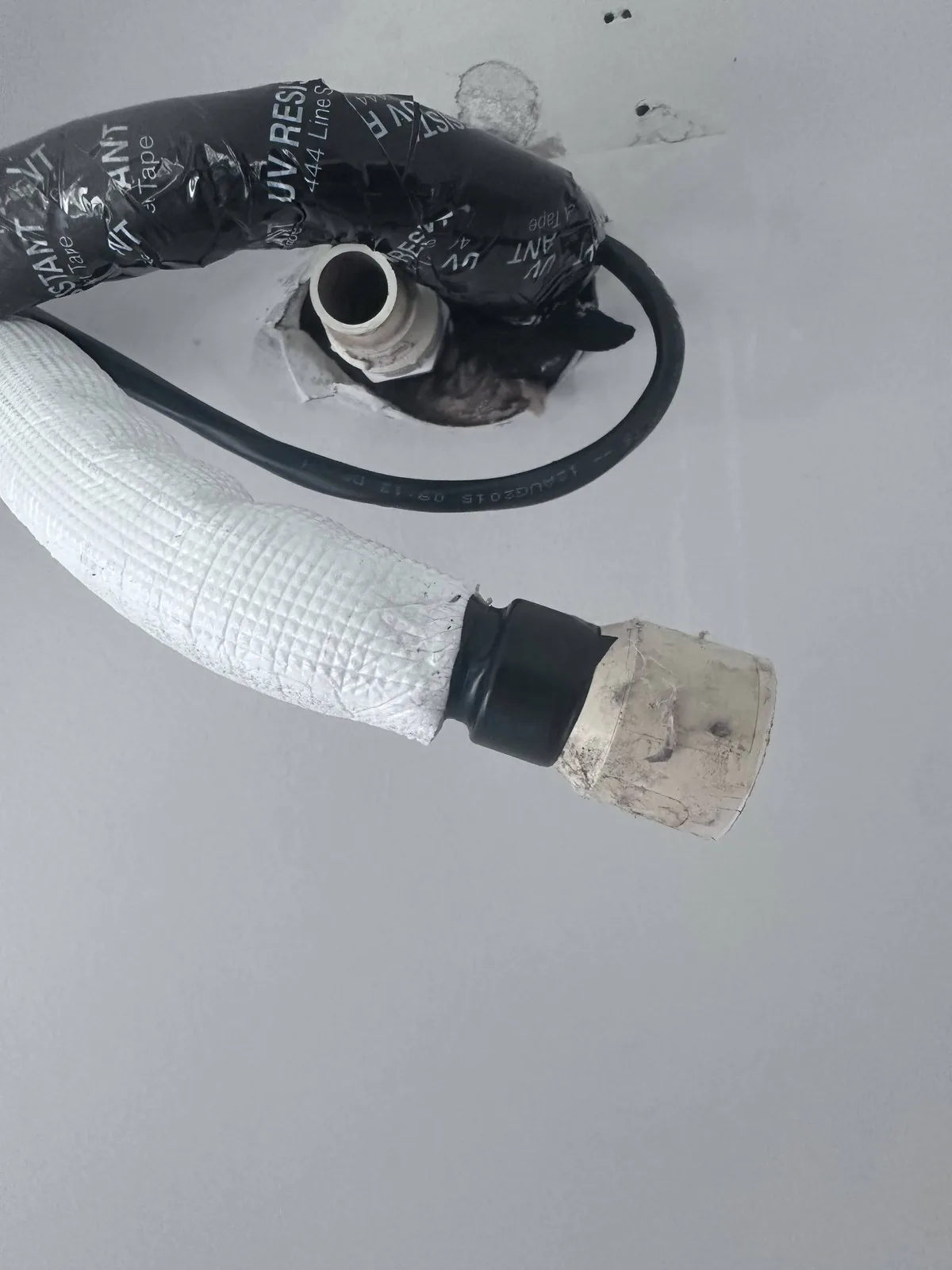
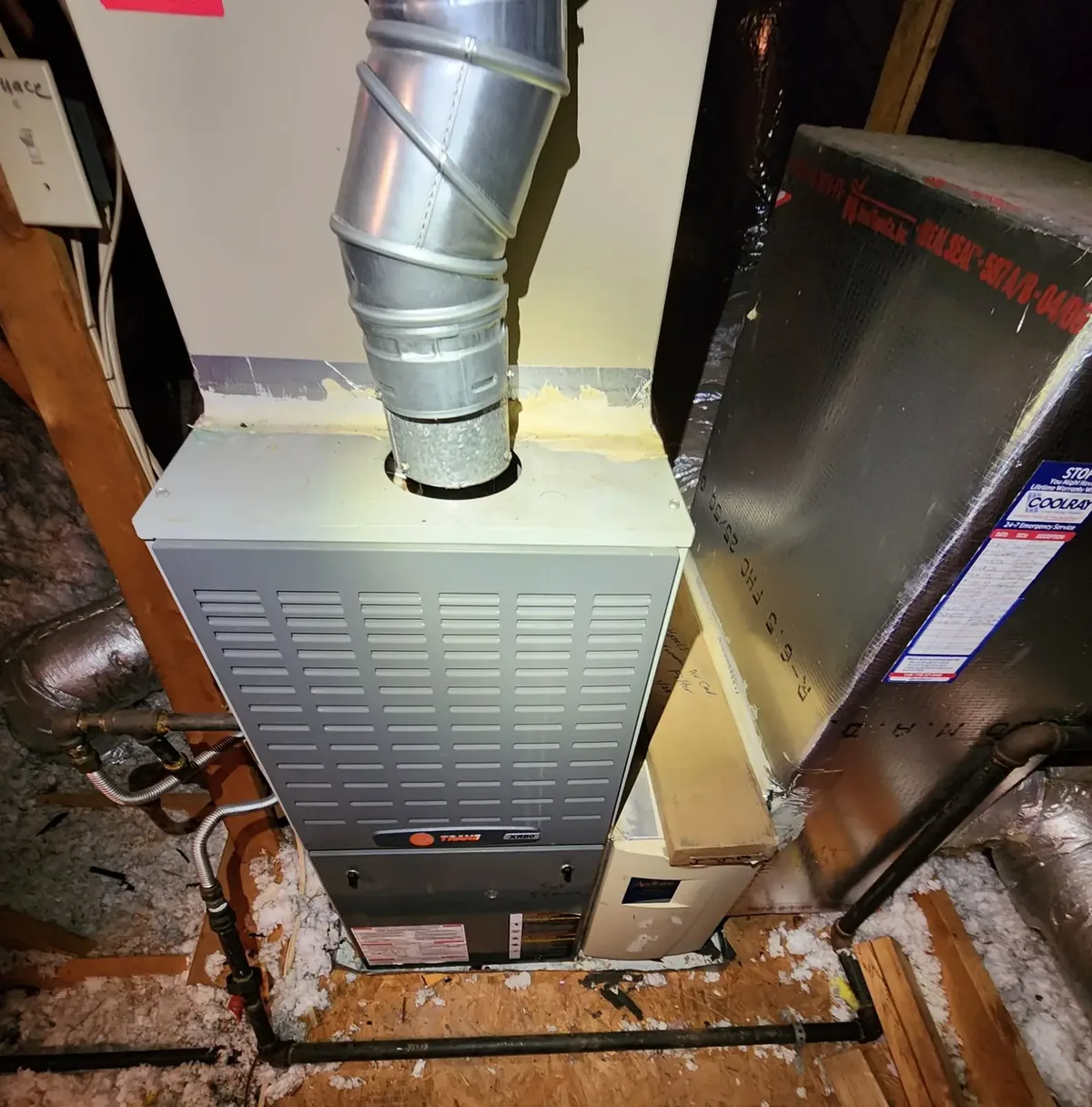
High-efficiency furnaces usually vent through two white PVC pipes, side by side or one above the other, coming out a side wall a foot or so above the ground, or through the roof. Some homes have a single fitting where both pipes share one cap. Older furnaces use a metal flue through the roof instead, and this post is not about those.
On a cold morning you will often see a little white plume from the exhaust pipe. That steam is normal.
Follow the white pipes from the furnace to the outside wall once, so you know exactly which pipes are yours before you need them.
Source: ENERGY STAR — Furnaces
Keep both openings clear all winter
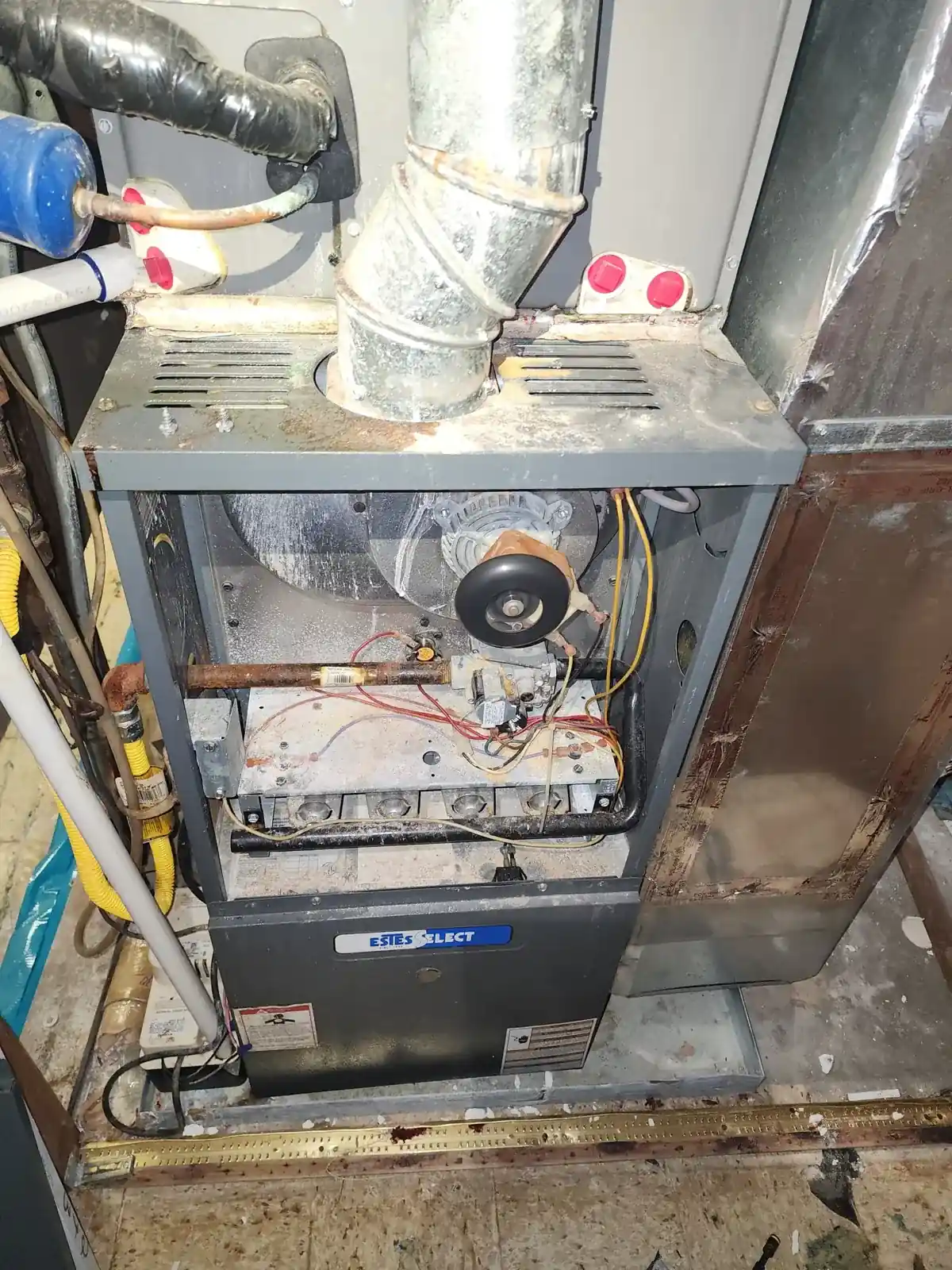
Fall is when these pipes get blocked. Leaves pile up against the wall. Pine straw and mulch get raked over the ends. Shrubs grow across them. Holiday decorations get stacked in front. In a rare Georgia snow, drifts can cover a low pipe too.
Keep at least a foot of open space around both pipe ends. Pull out leaves or debris by hand, and do not stick anything inside the pipe. Do not cut, shorten, move or tape over either pipe. Their length, slope and spacing are part of how the furnace vents safely.
Add the vent pipes to your leaf-blowing route. Blow leaves away from that wall, not toward it.
Source: CDC — Carbon monoxide basics
When to stop and call for service
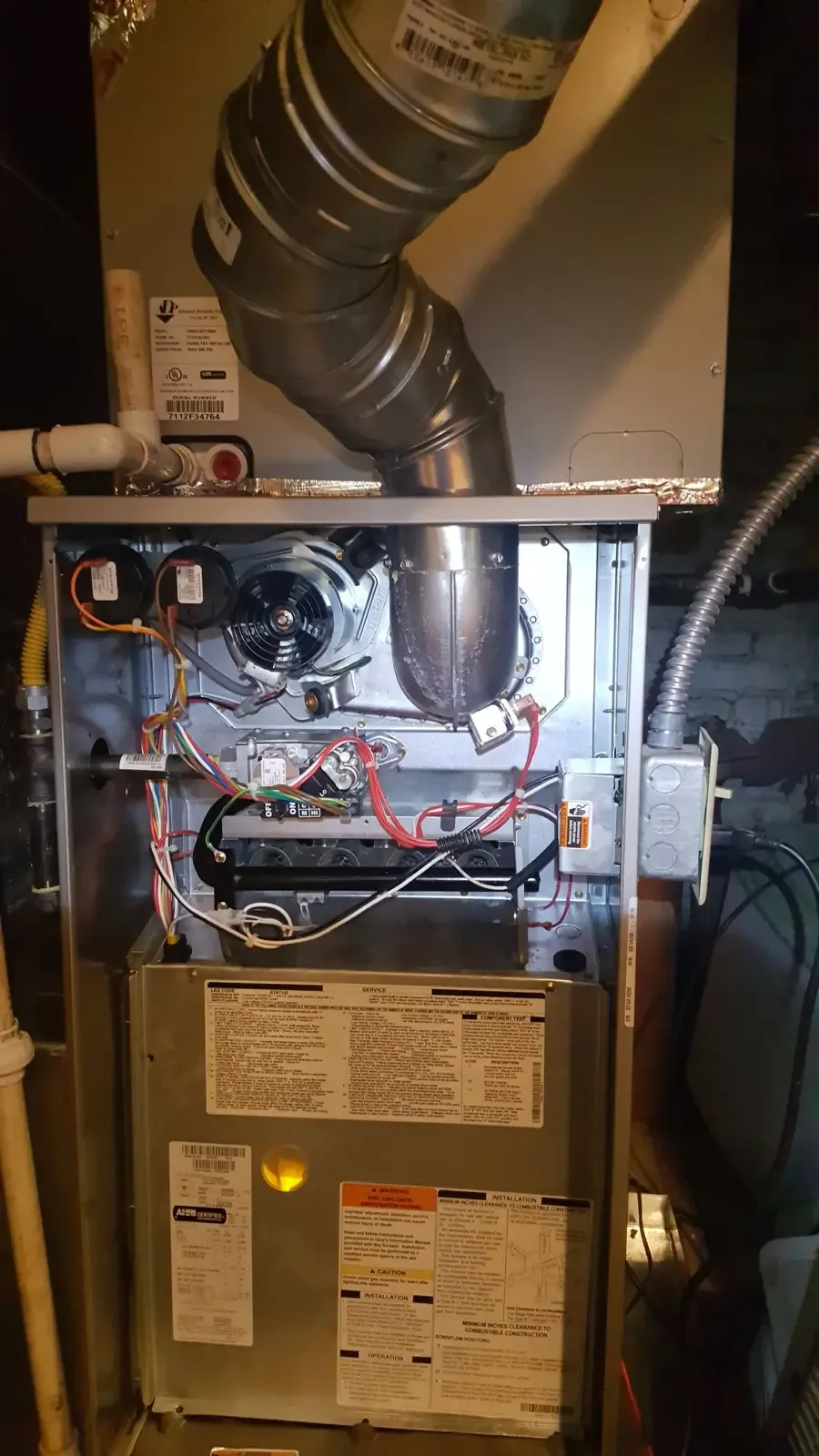
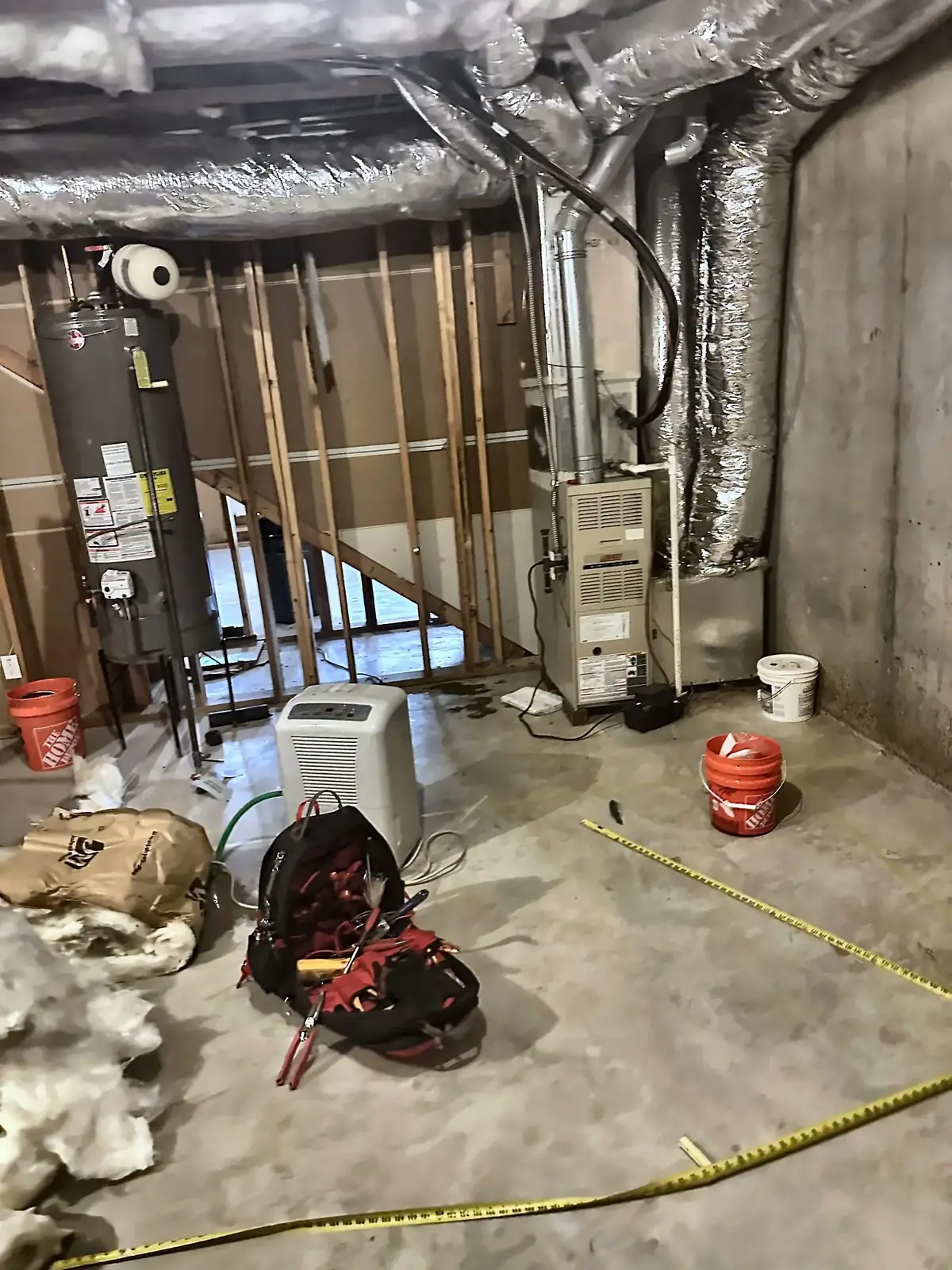
If the pipes are clear and the furnace still shuts off over and over, flashes an error, or blows cold air, the problem is inside the furnace. That can be a clogged condensate drain, a pressure switch, or a venting problem only a technician should check. Leave the furnace panels on and book a diagnosis instead of resetting it again and again.
If you smell gas, do not touch light switches or the thermostat. Get everyone out of the house, then call the gas utility from outside. If a CO alarm sounds, get out and call 911.
Furnace keeps shutting off even with clear vent pipes? Call me at (470) 999-7395. A $79 diagnostic is how I find out why.