Chris Can Fix It logo
← Around the House
Tech notes for the home

Emergency Heat: What the EM HEAT Setting Really Means

· 3 stories · By Chris

If you have a heat pump, your thermostat probably has a setting called EM HEAT, Emergency Heat, or just a little "E" on the screen. A lot of folks flip it on the first cold morning because it sounds like the setting for cold weather. It isn't. Here's what emergency heat actually does, how it's different from AUX heat, and the one time you should use it.

What EM HEAT actually does
What EM HEAT actually does
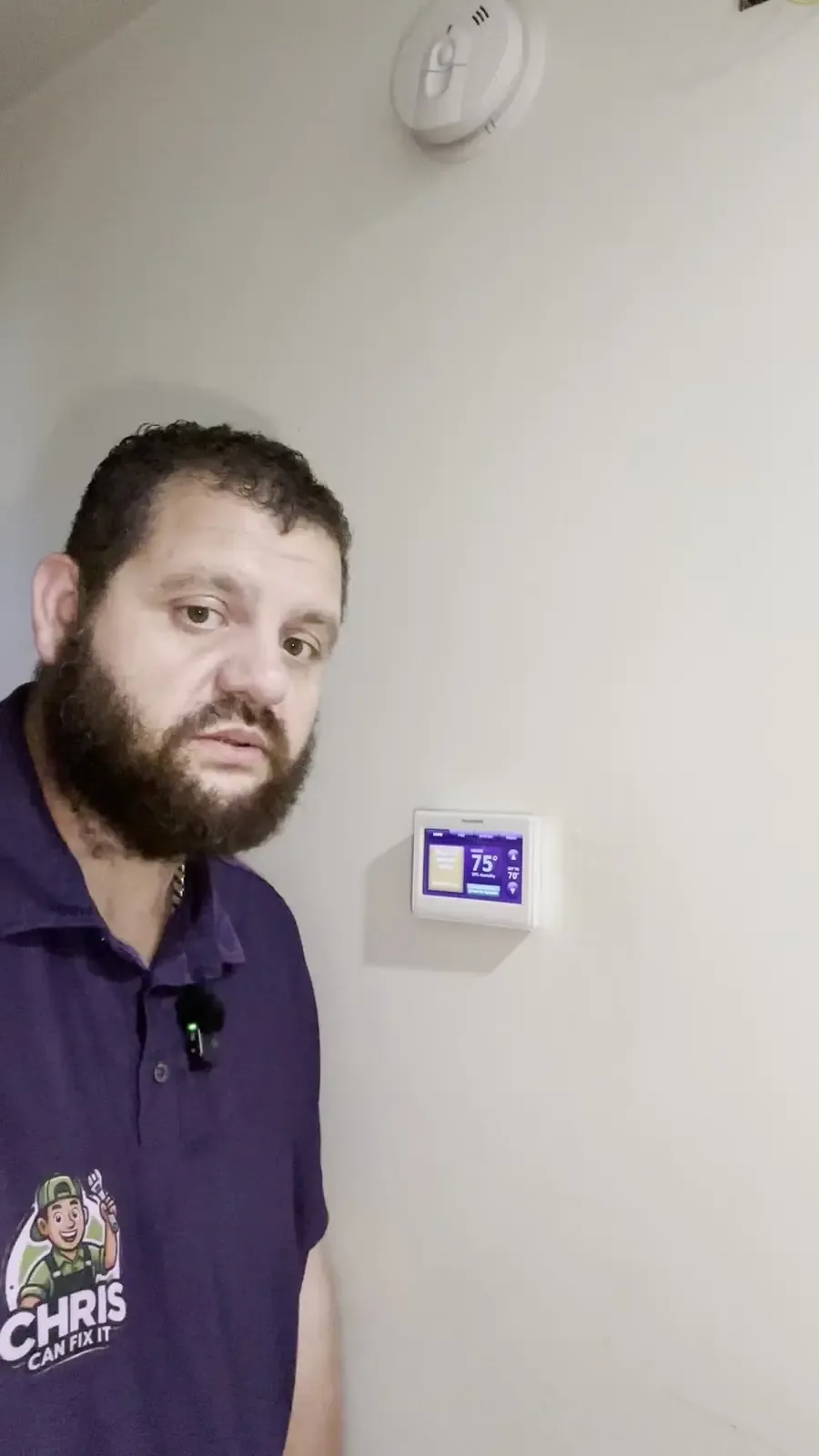
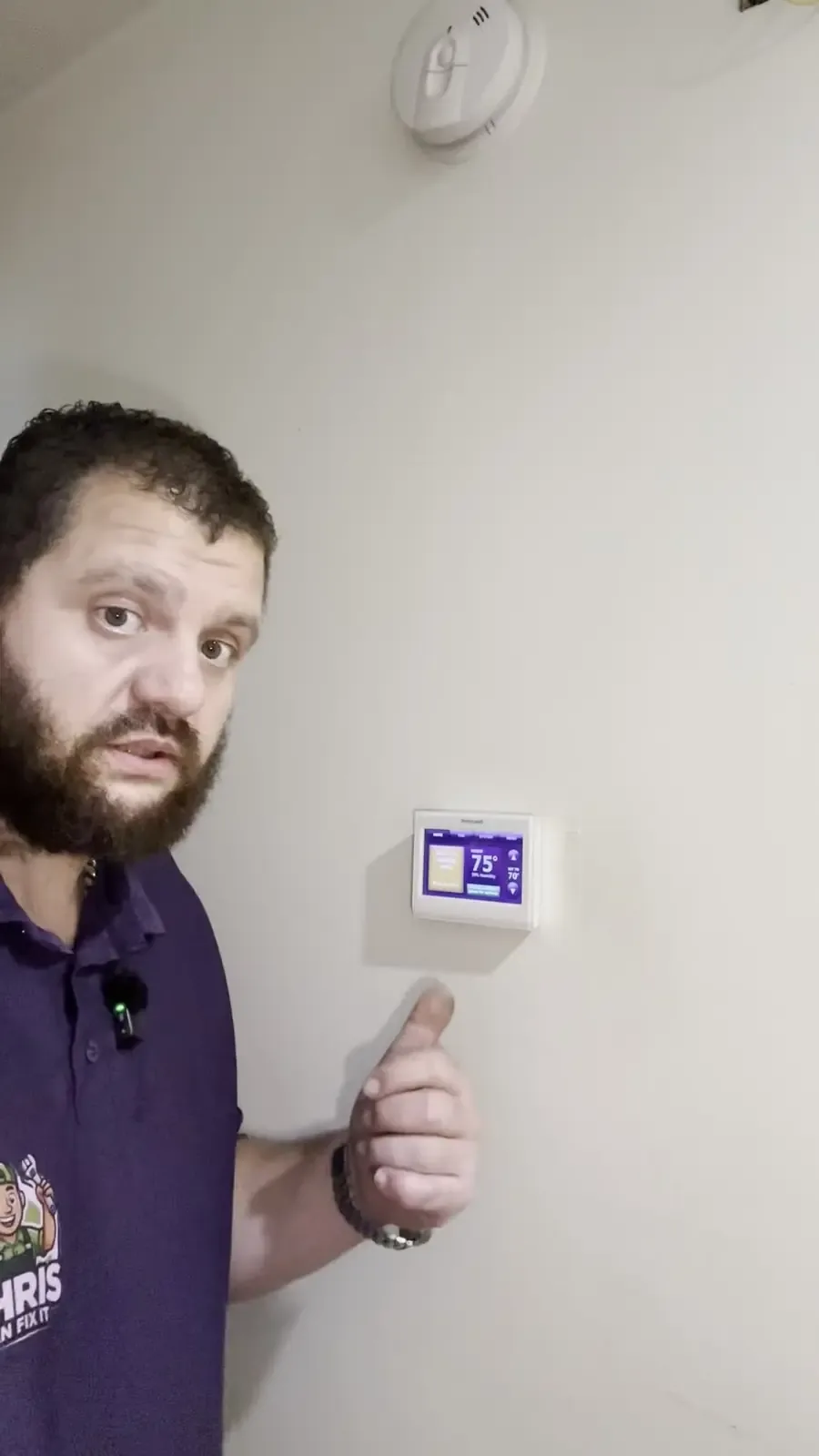
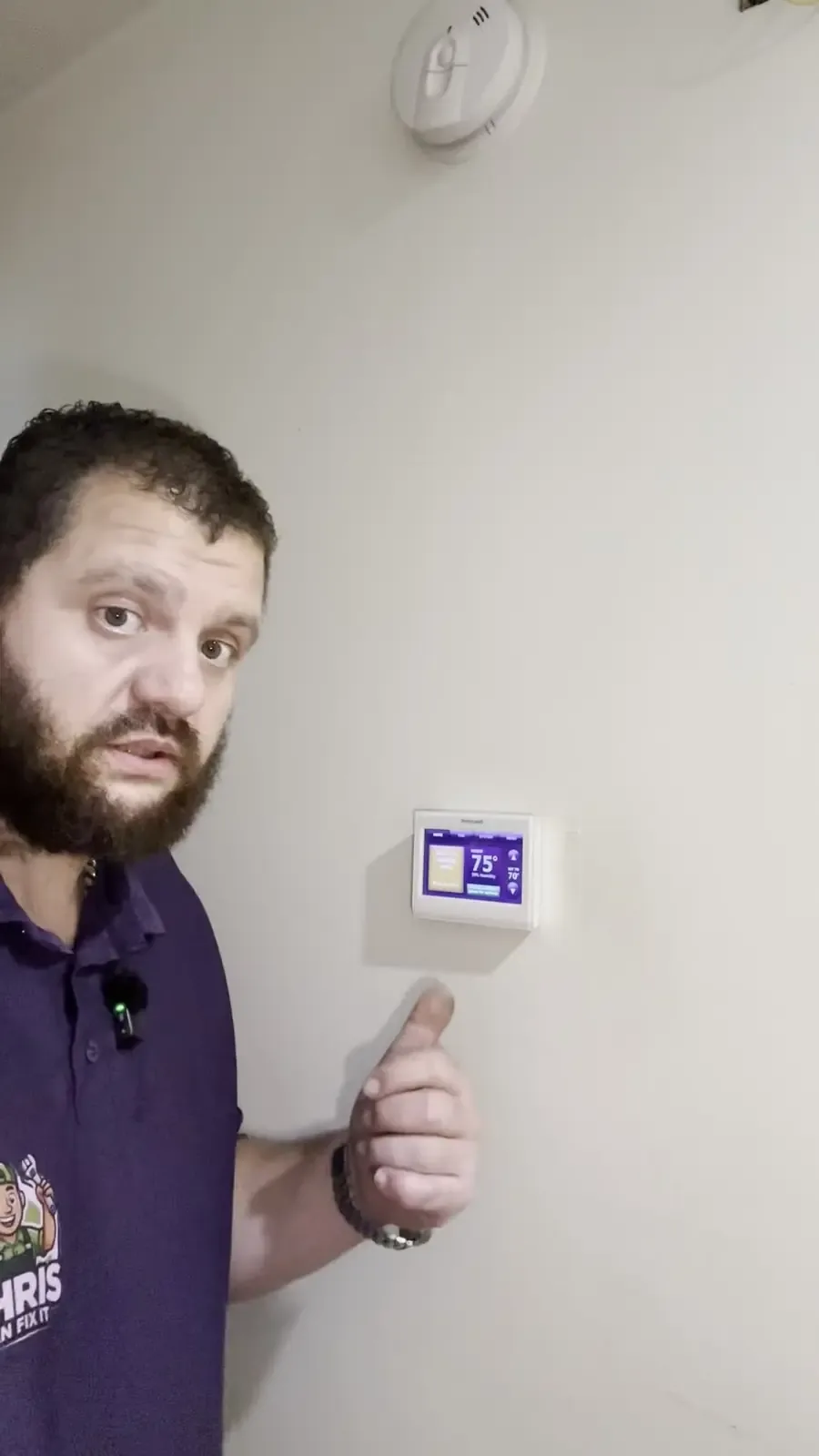
Image: Chris Can Fix It, me pointing out the settings on a customer's thermostat

A heat pump heats your house by pulling heat out of the outside air and moving it inside, even when it's cold out. It's an efficient way to heat. Most heat pump systems also have electric heat strips in the indoor unit, a backup that works a lot like the coils in a toaster.

When you switch the thermostat to emergency heat, you're telling the system to shut the outdoor heat pump off and heat the house with those electric strips alone. The house still gets warm, but it costs a lot more to run. Utilities like Jackson EMC estimate backup heat can cost about two to five times as much as normal heat pump heating.

Home tip

Take a look at your thermostat today and find out if it has an EM HEAT or Emergency setting, and make sure it's not turned on. If it says "Emergency" on the screen and you didn't mean to set it, switch it back to regular Heat.

Source: Jackson EMC

Source: Google Nest Help

AUX heat vs. emergency heat
AUX heat vs. emergency heat
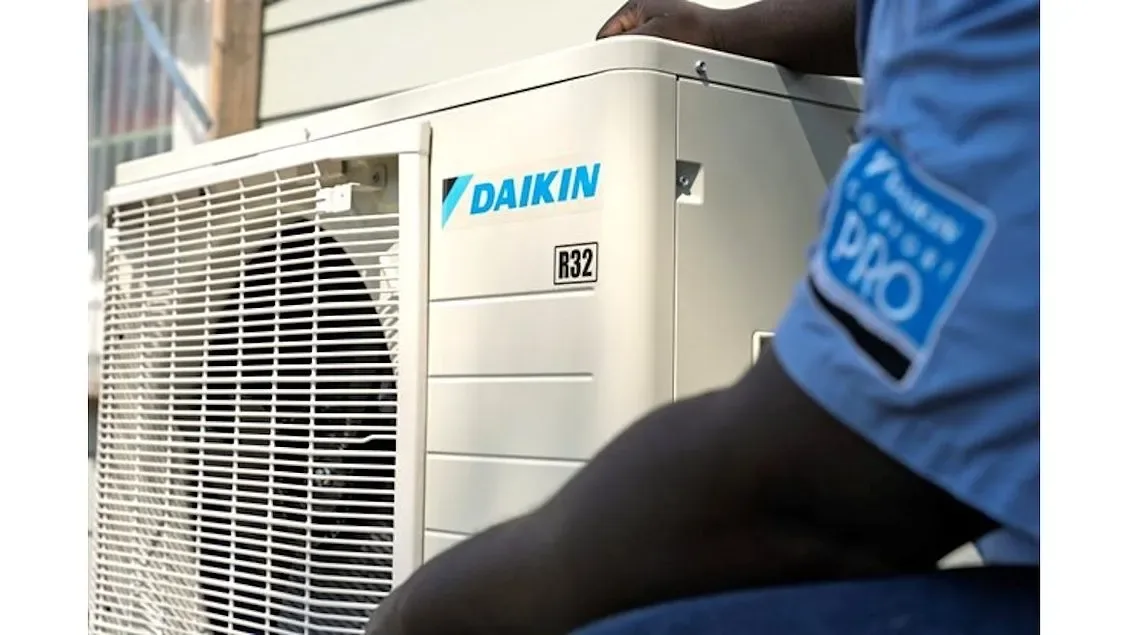
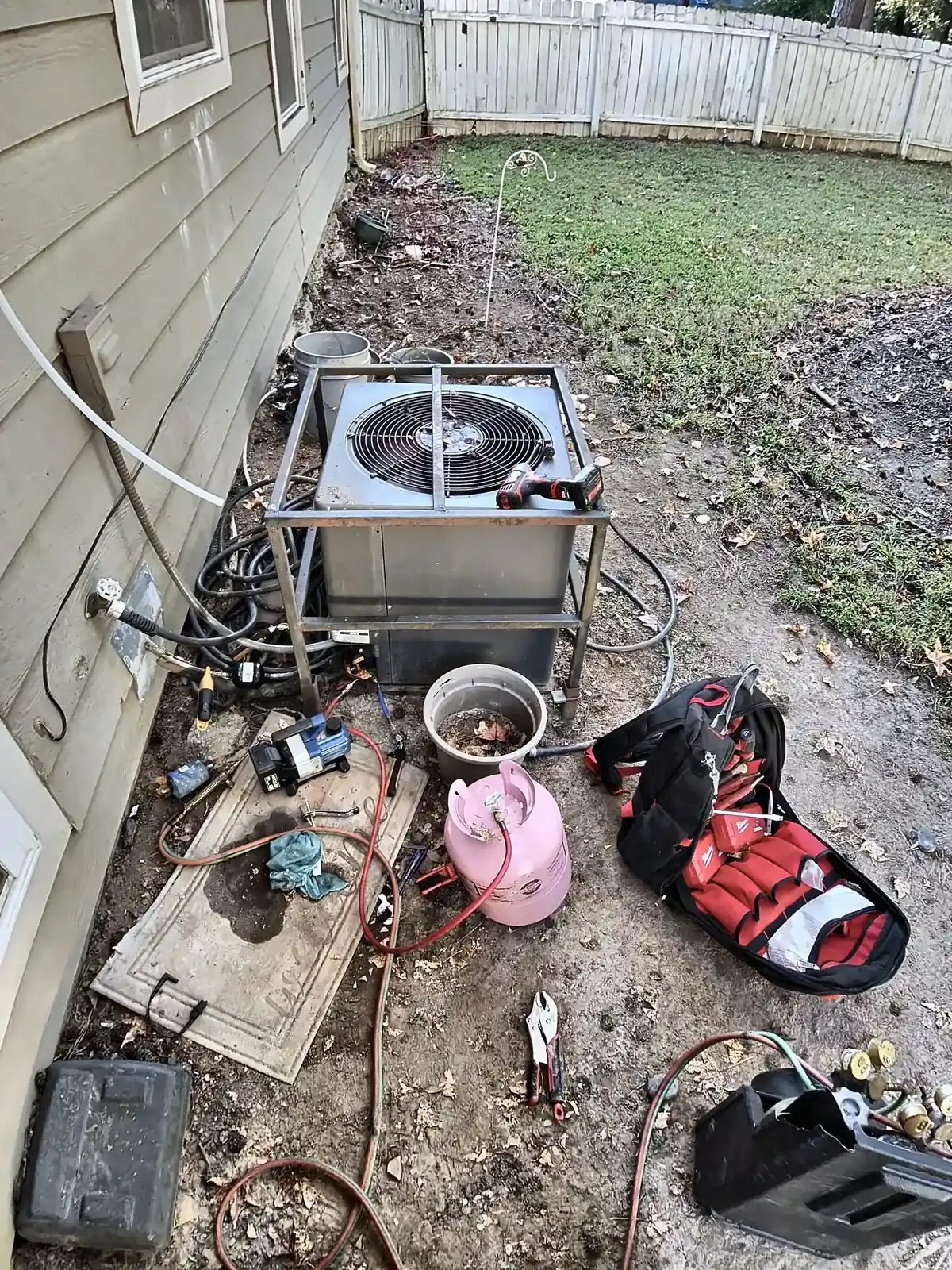
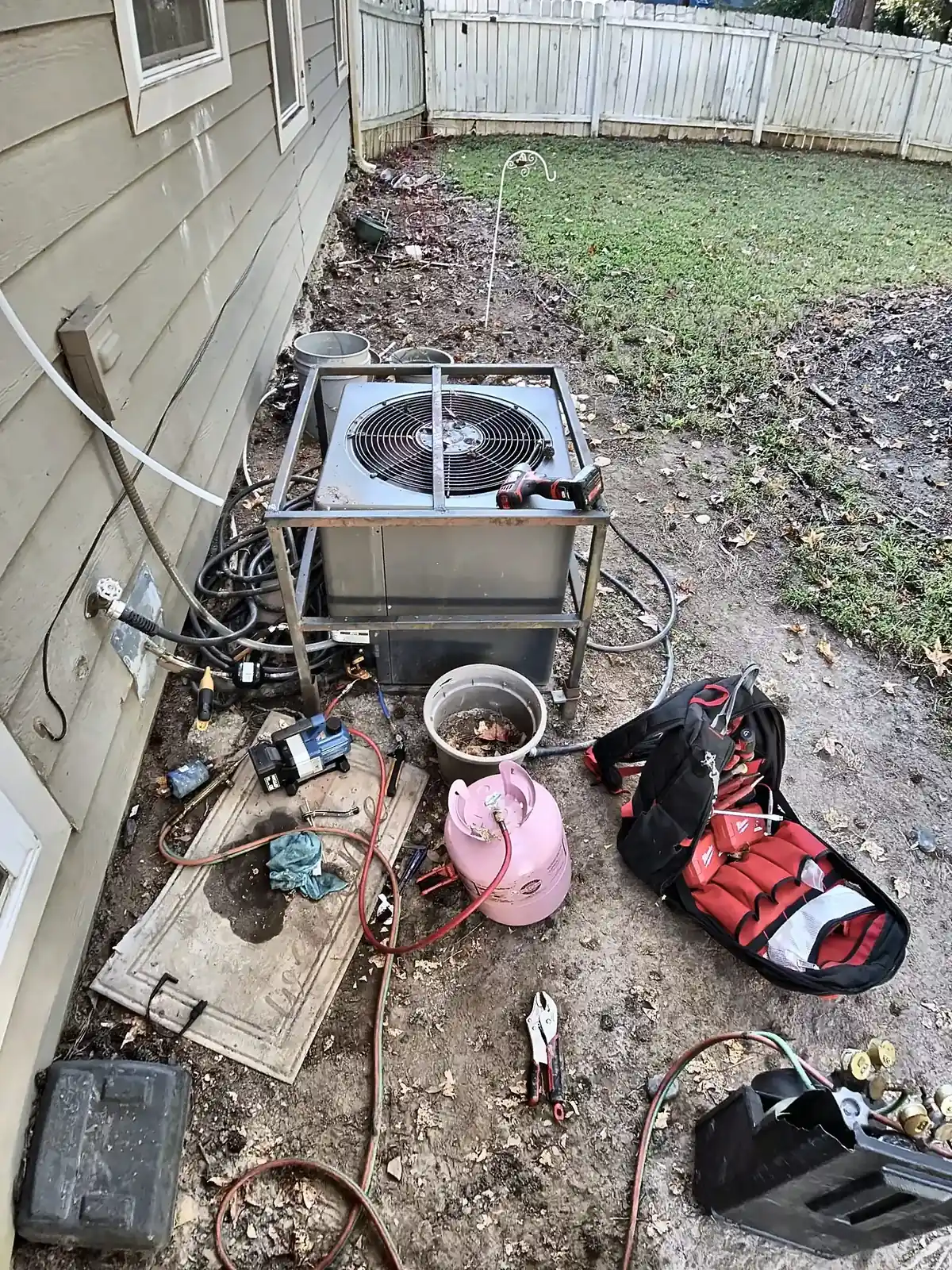
Image: Chris Can Fix It, an outdoor heat pump unit I was servicing

These two get mixed up all the time. AUX, or auxiliary heat, comes on by itself. On a really cold morning, during a defrost cycle, or when you bump the thermostat up several degrees at once, the system brings in the heat strips to help the heat pump catch up. Seeing AUX on the screen now and then is normal.

Emergency heat is different. You have to turn it on by hand, and it stays on until you turn it off. The heat pump sits idle the whole time, no matter how mild it gets outside.

Home tip

To keep AUX heat from running more than it needs to, raise the thermostat a degree or two at a time instead of five or six at once. A steady setting is easier on a heat pump, and on your power bill.

Source: Trane Home Support

When you should use it
When you should use it
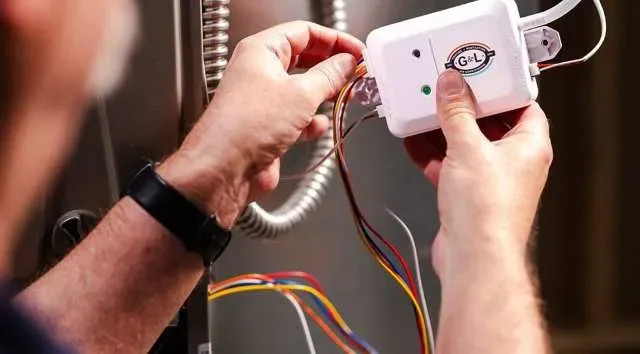
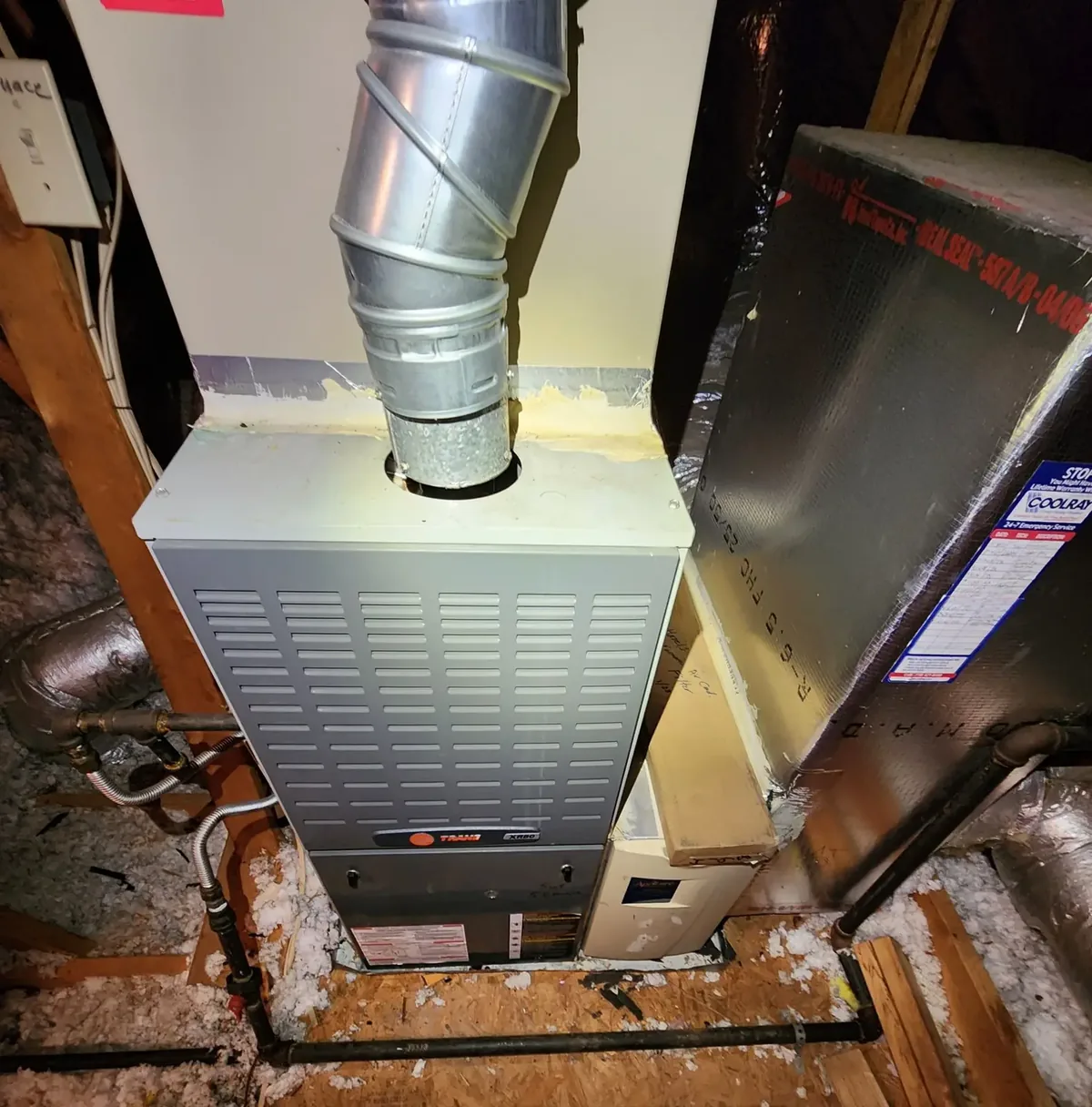
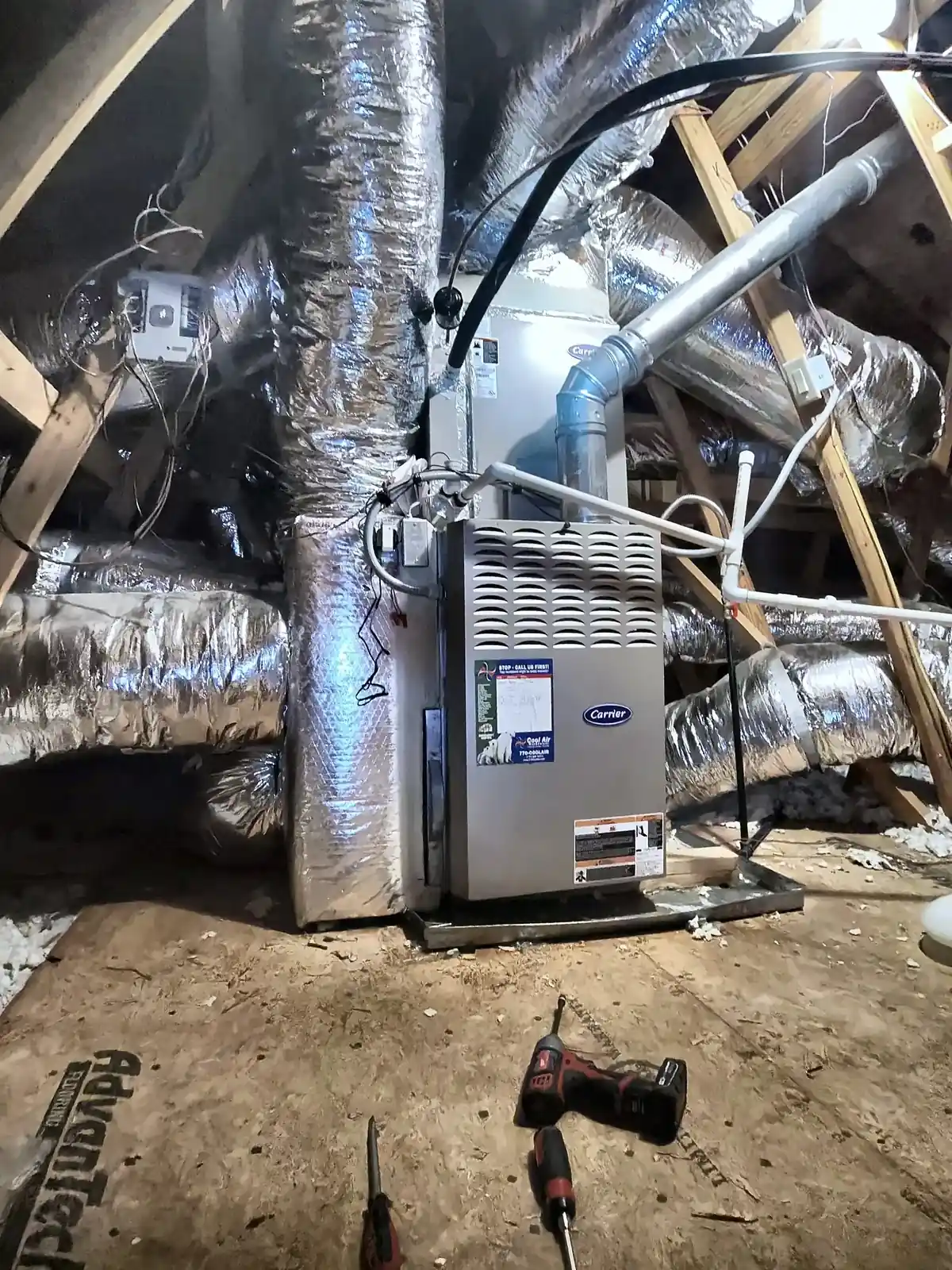
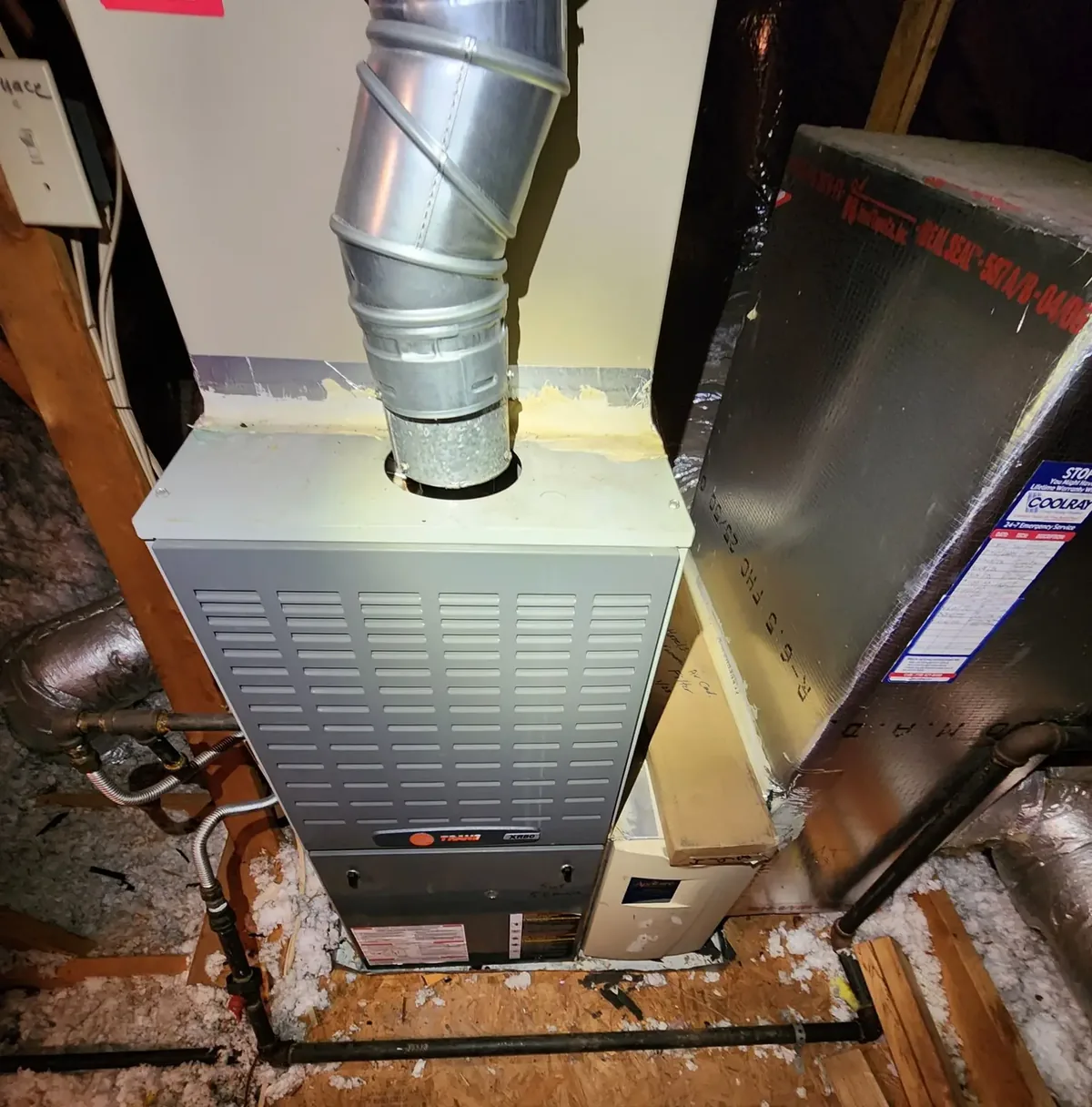
Image: Chris Can Fix It, an indoor air handler install, where the backup heat strips live

Emergency heat is for an actual emergency: the outdoor unit has stopped working. Maybe it's making a loud grinding or banging noise, it's iced over solid and won't defrost, a tree limb hit it, or the house just won't warm up and the outdoor fan isn't running. In that case, switching to EM HEAT keeps the house warm and keeps the pipes safe until the system gets looked at.

What it's not for is everyday cold weather. A working heat pump with AUX heat handles a Georgia winter fine.

Home tip

If you have to use emergency heat, treat it as a bridge, not a fix. And if you notice AUX or EM HEAT running all the time, that's a sign something needs attention. Don't open the outdoor unit or touch the refrigerant lines yourself. Give me a call at (470) 999-7395 for a $79 diagnostic, and I'll find out why the heat pump isn't carrying the load.
More from Around the House

Nov 3, 2026

Tech Brief: Hacked Store Freezers, Pricier Macs, a Watch That Rewinds and Smarter Heat Pumps

Nov 3, 2026

Dry Winter Air: How to Add Humidity Without Causing Mold

Nov 3, 2026

Drafty Doors? How I Check Weatherstripping and Door Sweeps

Nov 3, 2026

Flip Your Ceiling Fan for Winter: Which Way It Should Spin

Nov 2, 2026

Tech Brief: Locking Down Your Accounts, New Refrigerants, a Touchscreen Mac and a Drone Weight Gotcha

Nov 2, 2026

Clocks Fell Back: Time for a Quick Smoke Alarm Check

Nov 2, 2026

Space Heater Safety: The Rules I Follow Every Winter

Nov 1, 2026

Tech Brief: Furnaces as Backup Heat, a Drone Update Gotcha, Sleep Checks and a New Phone

Oct 31, 2026

Tech Brief: Remote HVAC Monitoring, Hacked Freezers, Halloween Drones and New Gadgets

Oct 31, 2026

Furnace Filters 101: Size, Timing and Which Way It Goes

Oct 31, 2026

Frozen Pipes: How to Prevent Them and What to Do If One Freezes

Oct 31, 2026

Heat Pump in Winter: What's Normal and What Isn't

Oct 30, 2026

Tech Brief: Home Heating Trends, Drones, Sleep Tech and a Crypto Scam Warning

Oct 30, 2026

Carbon Monoxide: The Silent Winter Risk

Oct 30, 2026

Why Does My Furnace Smell Like Burning?

Oct 30, 2026

Furnace Short-Cycling? What It Means and What to Check

Oct 29, 2026

Fall Furnace Tune-Up: What a Pro Actually Checks

Oct 29, 2026

No Heat? 5 Things to Check Before You Call

Oct 29, 2026

Why Dryer Fires Peak in Winter, and the Laundry Room Checks I'd Do This Weekend

Oct 27, 2026

Apple's New Thermostats, Refrigerant Top-Offs, and My Furnace Checks Before the First Cold Night

Oct 26, 2026

Get the Paperwork on a New HVAC Install, Plus a Family Rule for Scam Calls

Oct 25, 2026

Humidity, Mold and Your AC Drain: What a New Bill Says About Healthy Air

Oct 24, 2026

A Two-Minute Google Ad Check, a Smart Drone-Gift Tip, and Why Updates Reset Your Settings

All posts →

Call (470) 999-7395Text